

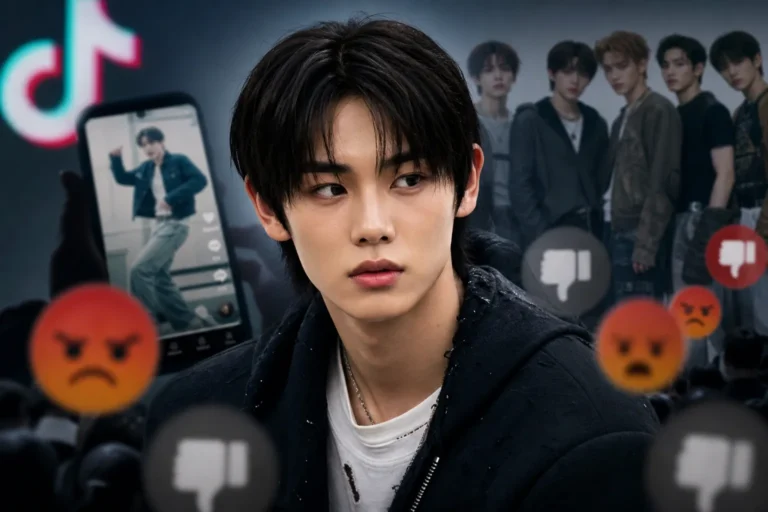
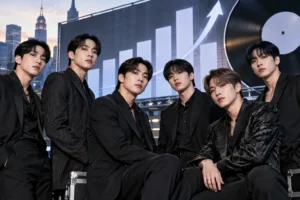
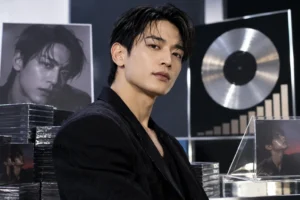
CORTIS member James has become the focus of a fast-moving online debate after social media users criticized recent TikTok videos in which he appeared to imitate viral creator LaNia the Artist. The rookie idol, who is part of BIGHIT MUSIC’s newest boy group under the HYBE umbrella, was accused by some viewers of exaggerating gestures in a way they felt mocked Black women. Fans have pushed back, saying the videos reflected his usual playful style rather than any malicious intent.
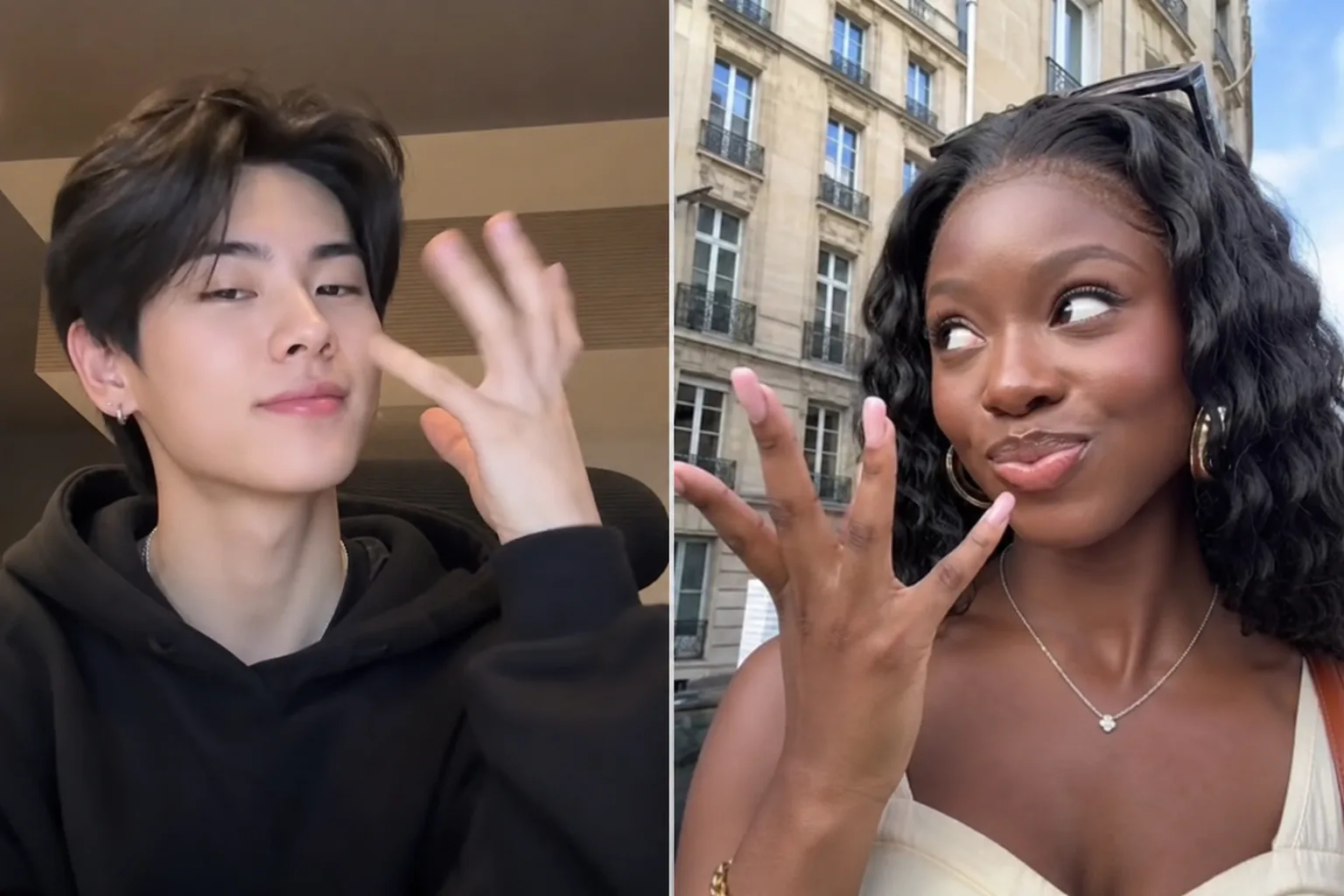
The discussion began after an X post drew attention to two TikTok clips and questioned James’s hand movements and facial expressions. According to the original report, James used audio connected to LaNia’s videos, which had circulated widely because of her joyful posts about spending time in Paris. The reposted criticism quickly spread, drawing millions of views and turning what might have been a niche fan argument into a broader conversation about imitation, humor, and cultural sensitivity.
At the center of the controversy is a familiar question in pop culture: when does online imitation cross from playful reference into harmful caricature? Some critics argued that James’s version looked more exaggerated than affectionate and said the gestures echoed stereotypes often directed at Black women. Others said the reaction was too severe, especially without evidence that the idol intended to insult the creator or the community being discussed.
Why the Reaction Grew Quickly
The speed of the backlash reflects how K-pop fandom now operates across multiple platforms at once. TikTok clips, X posts, fan edits, quote posts, and translated reactions can move a story far beyond the original audience within hours. That scale can amplify legitimate concerns, but it can also compress nuance, leaving little room for disagreement over intent, context, or degree of harm.
Several users who criticized the videos framed the issue as more than one idol’s body language. They connected it to a wider pattern in which Black women’s speech, gestures, humor, and style are borrowed for entertainment while Black women themselves are mocked or dismissed. That argument resonated with viewers who saw the clips as part of a larger problem rather than an isolated TikTok trend.
Supporters of James responded that the criticism ignored his personality and the way many creators perform on short-form video platforms. Some fans described him as naturally expressive and said his movements should not automatically be read as racial mockery. Others took a more measured position, saying the videos may not have been malicious while still understanding why Black viewers could feel uncomfortable.
Rookie Groups Face Global Scrutiny Early
The debate arrives at a sensitive moment for CORTIS, a new-generation HYBE act still building its public identity. Rookie groups today do not get a long runway before international audiences begin evaluating their conduct. Even informal posts can become defining moments, particularly when they involve race, gender, or cultural borrowing.
For agencies, that reality creates a communication challenge. A heavy-handed response can make a controversy feel larger, while silence can be read as indifference by the people who felt harmed. BIGHIT MUSIC had not been reported as issuing a detailed public statement in the source article, leaving the conversation largely in the hands of fans, critics, and casual viewers.
The episode also shows how the meaning of a social media trend can shift depending on who is performing it and who is watching. A sound or format that appears harmless to one audience may carry different associations for another, especially when race and gender stereotypes are part of the discussion. For K-pop idols with global reach, that gap is increasingly difficult to ignore.
Whether the backlash leads to an apology, clarification, or no formal response, the controversy is already a reminder that digital performance is not separate from public accountability. James’s defenders and critics may disagree on intent, but the debate has placed renewed attention on how rookie idols engage with viral culture and how agencies prepare young artists for a global audience.
Join the Conversation
Log in to share your thoughts and join the conversation with other fans.