
BIGBANG, STAYC, and BTS: K-pop’s Pop-Culture Shockwaves—Ticket Prices, Sales Slump, and a Viral Physique


K-pop’s social media cycle is moving fast again, with fans and netizens reacting to three very different flashpoints across the industry: backlash over BIGBANG’s ticket pricing for an upcoming 2026 world-tour stop, a steep first-day sales decline for STAYC’s latest release, and viral chatter about BTS member Suga’s dramatic physical transformation during recent performances. While these stories don’t share a single theme, they collectively highlight the pressure idols face—whether from consumer expectations, market performance metrics, or the speed at which appearances can become public narrative.
BIGBANG’s Goyang ticket backlash reignites “fairness” debate
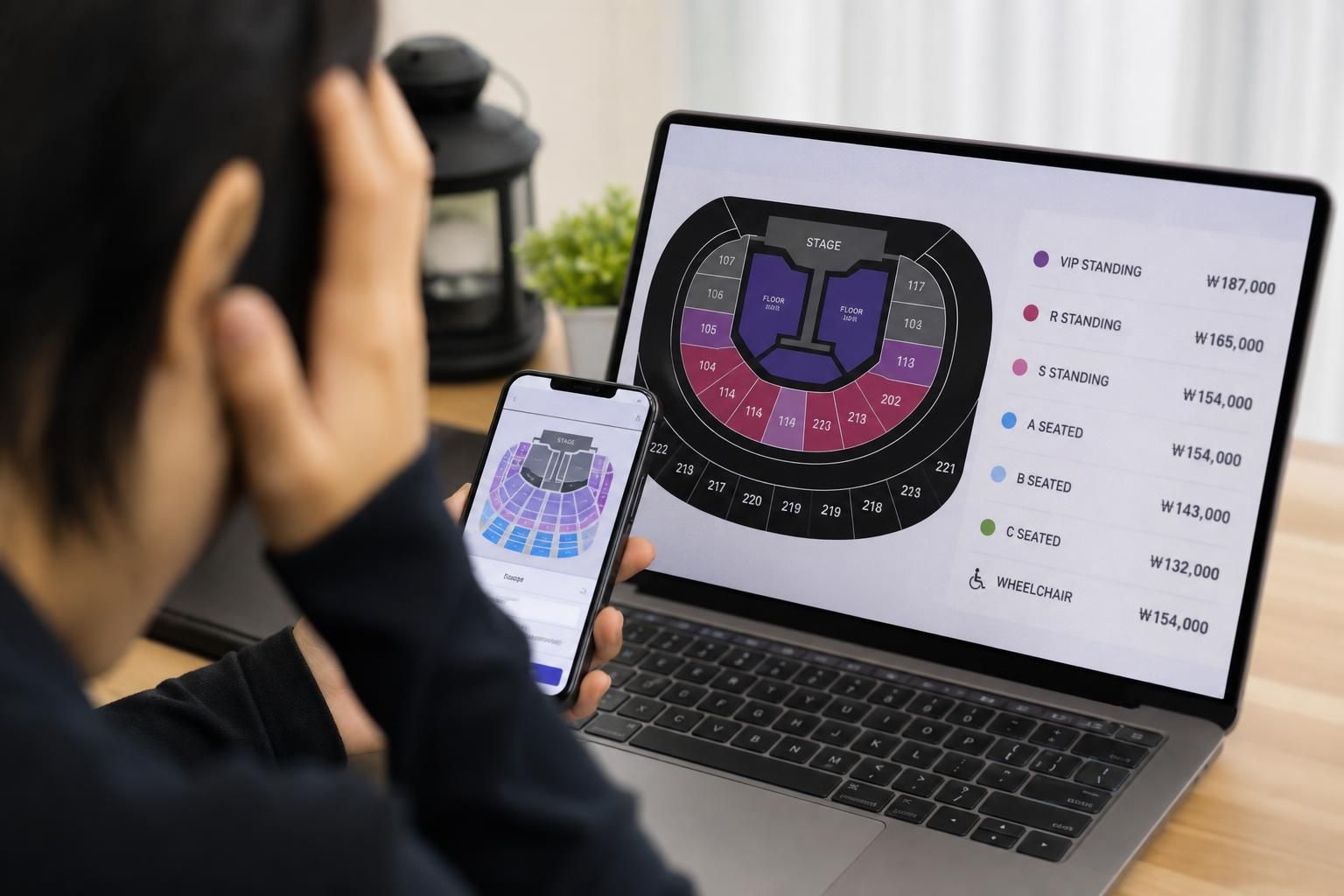
BIGBANG is gearing up for a 2026 World Tour stop in Goyang, South Korea, but the tour announcement quickly became a flashpoint online after fans dissected the published ticket tiers and prices. According to the breakdown shared in the report, the most inexpensive seats were listed at ₩154,000 KRW (about $101 USD), while top-tier “Standing VIP” seats were priced at ₩275,000 KRW (about $181 USD).
Most fans focused on whether the pricing matches what they’re willing to pay after years of hiatus and anticipation. But the sharpest criticism landed on wheelchair accessibility seats, which were reportedly listed at ₩242,000 KRW (about $159 USD). The concern, as framed by online commenters, was not only that the price is high, but that accessibility seating appears among the most expensive options on the chart—prompting accusations that the pricing scheme lacked empathy.
On South Korea’s TheQoo platform, comments reflected anger and disbelief, with users questioning the “appropriateness” of the accessibility-seat pricing. The article notes that, at the same time, demand for BIGBANG could remain strong regardless of the backlash, meaning the bigger question may be whether the negative discourse impacts actual sales—or whether it fades after the initial ticketing storm.
STAYC’s first-day sales plunge puts spotlight on promotion gaps
In a separate market-performance story, STAYC returned with its new album 2:LOVE, but the comeback was overshadowed by a widely circulated first-day sales figure that fans described as startling. The report states that the six-member group sold 24,233 copies on day one—a number that has been compared against multiple prior releases to show how steep the drop is.
For context, the report compares 2:LOVE to earlier STAYC single albums: Teddy Bear sold 186,405 copies on its first day (in 2023), and TEENFRESH moved 184,200. Even deeper in the discography, other releases reportedly performed substantially higher during their opening day windows, including WE NEED LOVE at 115,306 and Metamorphic at 82,394.
Fans on X largely directed their frustration at High Up Entertainment, arguing that the company did not provide the level of promotion needed in a more saturated, competitive market. The report also includes reactions along the theme that many people may not have known about the comeback quickly enough—an issue that can make even strong musical releases struggle to break through algorithmic noise.
From an industry perspective, the story fits a broader pattern: K-pop marketing is increasingly measured not only by final sales but by opening momentum—how quickly a release can convert attention into purchases. If promotional reach doesn’t arrive early (or enough fans aren’t mobilized at launch), the first-day numbers can become a proxy for organizational strategy.
BTS’s Suga goes viral as “Gym Yoongi” talk spreads
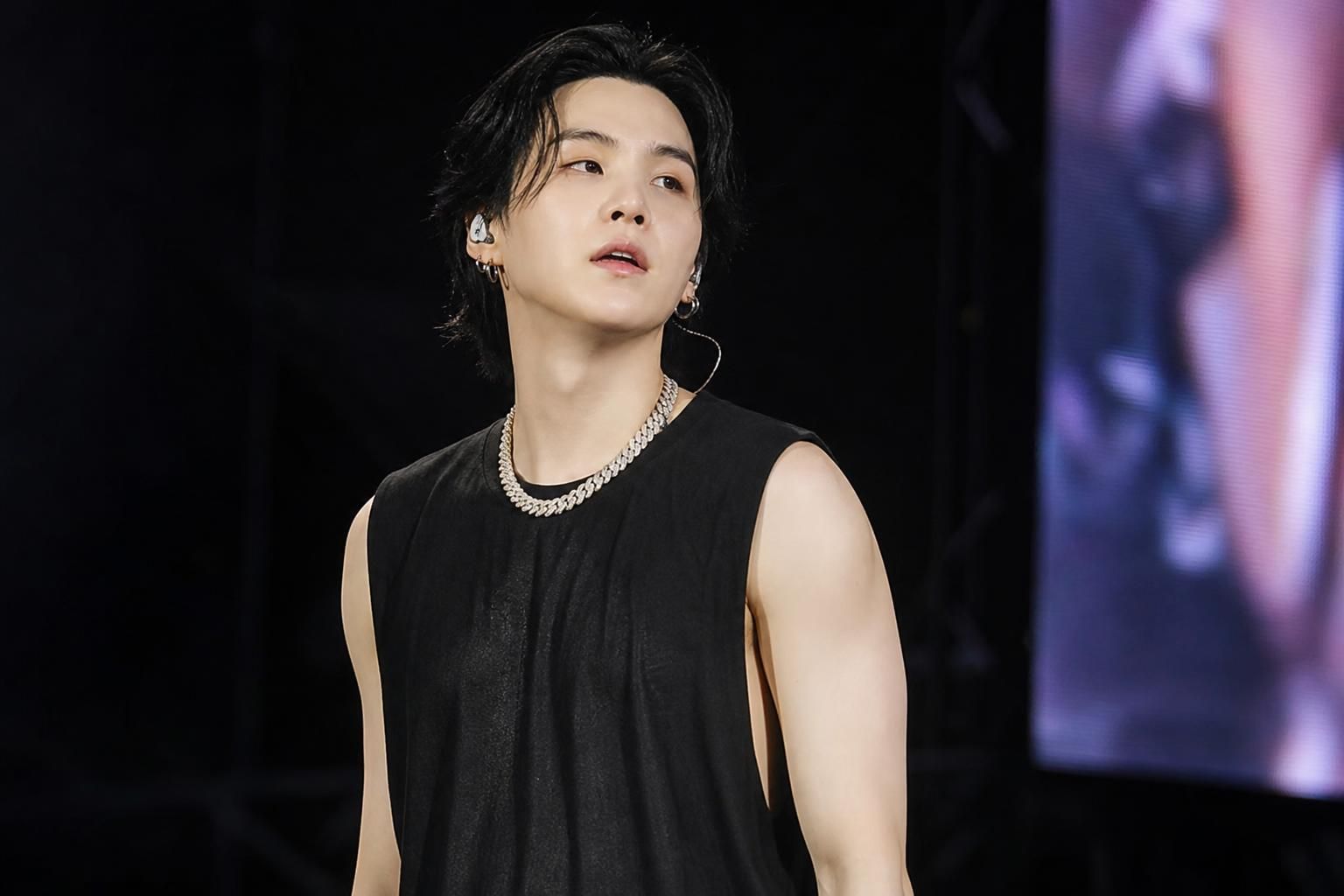
While BIGBANG and STAYC faced scrutiny related to money and momentum, BTS drew attention for something far more image-driven: Suga’s perceived physical transformation during recent ARIRANG shows. The report says a photo of Suga began circulating online, triggering commentary that he looked noticeably more muscular than before.
The piece notes that, since restarting activities after being discharged, multiple BTS members have drawn attention for physical changes over the past few years. In this case, netizens reportedly posted reactions that ranged from surprise (“What happened?”) to admiration, with some jokingly dubbing him “Gym Yoongi.”
Unlike ticketing or sales figures, physical transformation stories don’t necessarily map to business outcomes in the short term—but they show how quickly idol branding can become a public talking point. Appearance-based virality can also fuel engagement: fans may share clips, speculate about training routines, and amplify the conversation, sometimes independent of any official project schedule.
What these stories have in common: speed, optics, and stakeholder pressure
Taken together, the three developments underscore how K-pop fandom has become both more powerful and more immediate. Fans can now rapidly scrutinize pricing structures, compare sales day-by-day, and amplify visual narratives—often before official explanations or context arrive.
For BIGBANG, the spotlight is on how a major act balances revenue with public goodwill, especially around accessibility. For STAYC, the controversy is about whether promotional execution keeps pace with the market. For BTS, the attention centers on how quickly a performer’s body and appearance can become mainstream social media content.
Across all three, the underlying pressure is similar: audiences interpret signals broadly—whether that signal is a ticket chart, a first-day sales number, or a viral image—and they respond in ways that can shape reputation, media coverage, and future engagement.
What to watch next
For BIGBANG, the key question is whether the backlash over wheelchair-seat pricing affects purchasing behavior or intensifies into broader calls for ticketing reform. Organizers and promoters may face additional scrutiny around how they justify accessibility-seat tiers in future events.
For STAYC, fans will likely watch subsequent performance indicators—streaming, promotions, and whether sales stabilize in the days and weeks after release. The broader industry takeaway may hinge on whether labels adjust their marketing approaches when launch momentum disappoints.
And for BTS, the immediate storyline will likely revolve around continued appearance-based reactions: whether Suga’s transformation remains a topic during other performances, and how quickly the conversation shifts once new music, schedules, or official content arrives.


Join the Conversation
Log in to share your thoughts and join the conversation with other fans.
I love when an update feels like a fresh wave of energy for fans. Hope it turns into a really good moment.