
NCT WISH Water Park Event Sparks Hygiene Debate After Fan Accounts Spread

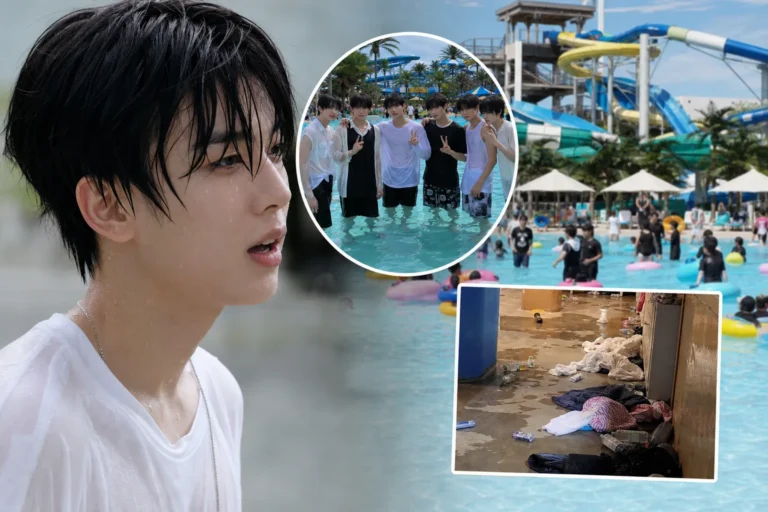
NCT WISH’s recent appearance at Caribbean Bay has turned into a wider discussion about fan behavior, sanitation, and crowd control at summer K-pop events after attendee accounts about unsanitary incidents spread across social media.
The group performed at the popular water park as part of a special event that drew many fans hoping to see the members from close range. Some attendees reportedly arrived very early, with accounts describing fans camping overnight or spending long hours inside the venue to secure favorable viewing spots. The atmosphere appeared energetic at first, with fans sharing clips of the group and the park’s water attractions, but the conversation shifted after multiple posts described problems inside crowded pool areas.
The claims that gained attention included reports of vomiting in a wave pool, visible menstrual bleeding in the water, and an alleged feces incident. The details were shared by attendees online and quickly circulated among K-pop fans, many of whom expressed concern over whether some people had ignored basic hygiene and consideration for others in order to stay near the performance area.
Fan Enthusiasm Meets Venue Reality
Water park concerts create a different set of challenges from arena or theater performances. Fans are not only standing in a crowd; they are also sharing pools, wet walkways, changing areas, and public facilities for extended periods. In that environment, even isolated incidents can affect many people nearby and can raise immediate questions about public health, supervision, and the practical limits of a venue’s response.
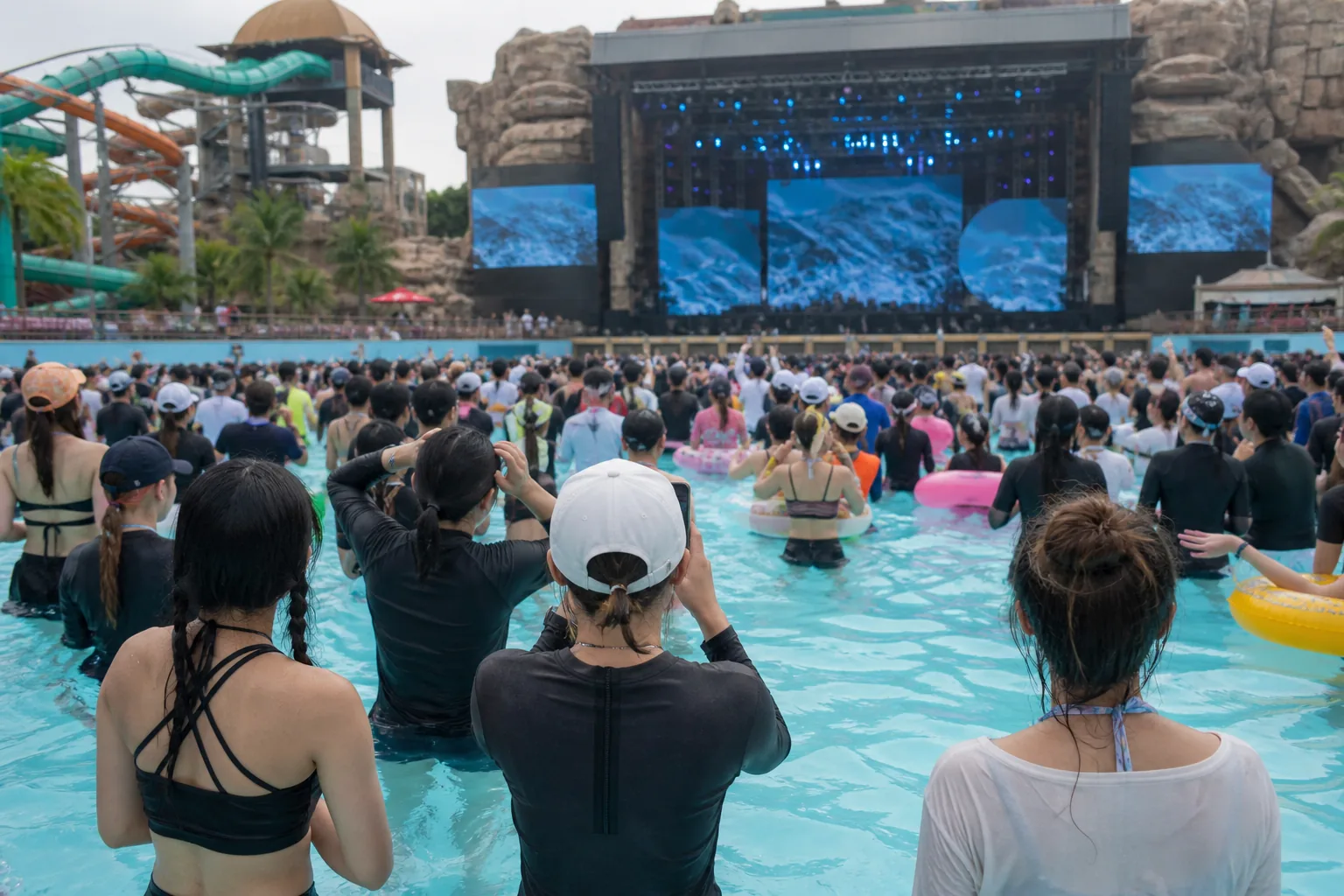
The online debate has centered less on NCT WISH themselves than on the conditions around the event. The group, part of the broader NCT brand, has a young and highly active fanbase, and summer appearances can attract fans who are willing to wait for hours in difficult weather. That dedication is a major part of K-pop’s live-event culture, but it can also create pressure to remain in place even when a person is uncomfortable, unwell, or should leave the area for hygiene reasons.
For many fans, the key issue is personal responsibility. A concert ticket or event entry does not remove the need to respect shared spaces, especially in a venue where water, heat, and dense crowds can intensify health concerns. Social media users criticized the idea that anyone would remain in a pool area after becoming sick or after a sanitation problem became visible. Others argued that fans should not normalize extreme behavior simply because an idol group is appearing nearby.
Why This Became A Larger K-pop Conversation
The Caribbean Bay discussion fits into a recurring concern around high-demand idol events: how far fans will go to secure proximity. K-pop audiences often organize early arrivals, unofficial queues, and intense competition for good viewing angles. Those practices can be harmless when managed well, but they can become disruptive when the event setting is not designed for long waits or when attendees prioritize access over safety.
The situation also shows how quickly local incidents can become international talking points. A few attendee posts can move from Korean social media into global fan communities within hours, especially when the details are unusual or shocking. Once that happens, the story is no longer only about a single venue; it becomes a referendum on fan culture, event management, and the expectations placed on young audiences at promotional appearances.
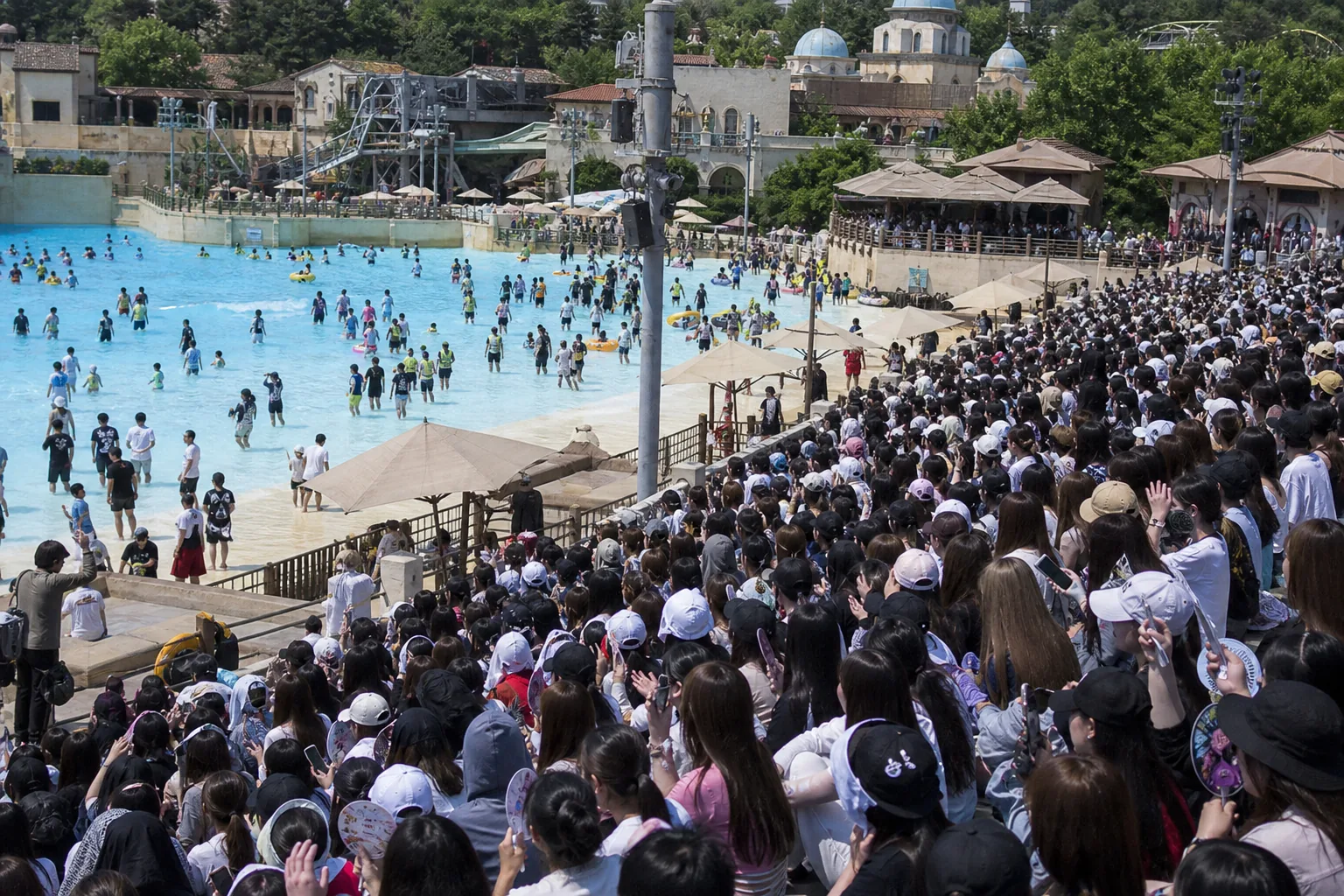
There is also a practical question for organizers. Water park performances can be attractive because they combine summer branding, casual fan access, and visually lively settings. But those same features require clear crowd-flow plans, enough restroom access, visible sanitation procedures, and staff who can respond quickly when something affects a pool or shared area. If fans believe a contaminated area was not cleared or communicated properly, trust in the event can erode quickly.
NCT WISH has continued to gain attention through performances and promotional schedules, and the group is not accused of wrongdoing in the discussion. The scrutiny is instead directed at how attendees behave in shared public spaces and whether venues hosting idol events are prepared for the intensity of fandom-driven crowds. That distinction matters because artists can become attached to controversies created by conditions outside their control.
Shared Spaces Require Shared Standards
The reaction to the Caribbean Bay event underlines a basic but important point: live entertainment depends on mutual responsibility. Fans want memorable access to artists, organizers want successful events, and venues want to operate safely. Those goals only align when attendees follow hygiene norms and when staff have the authority and resources to intervene before a problem spreads.
As K-pop continues to expand beyond traditional concert halls into festivals, theme parks, water parks, and branded pop-up events, crowd behavior will remain part of the industry’s risk calculation. The strongest events are not only the ones that draw the biggest crowds, but the ones that allow fans to enjoy artists without compromising the comfort or safety of everyone around them.



Join the Conversation
Log in to share your thoughts and join the conversation with other fans.