
NCT Jisung Apologizes As Protest Trucks Intensify Debate Outside SM Entertainment

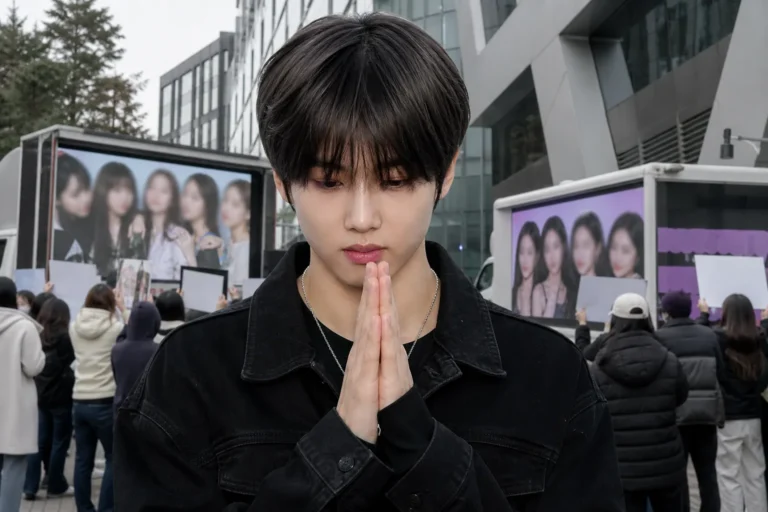
NCT’s Jisung has apologized after a livestream comment about Mark drew backlash from part of the fandom and led to protest trucks appearing outside SM Entertainment. The dispute has put a familiar K-pop question back in focus: how should active group members talk about a former member when fans still feel strongly about the lineup change?
According to the source report, Jisung recently told fans during a live broadcast that the six current NCT DREAM members had gone on a trip to Yangpyeong with Mark. The comment spread quickly because Mark was reported to have left the group in April, making any public mention of him sensitive for fans who are still adjusting to NCT DREAM’s current structure.
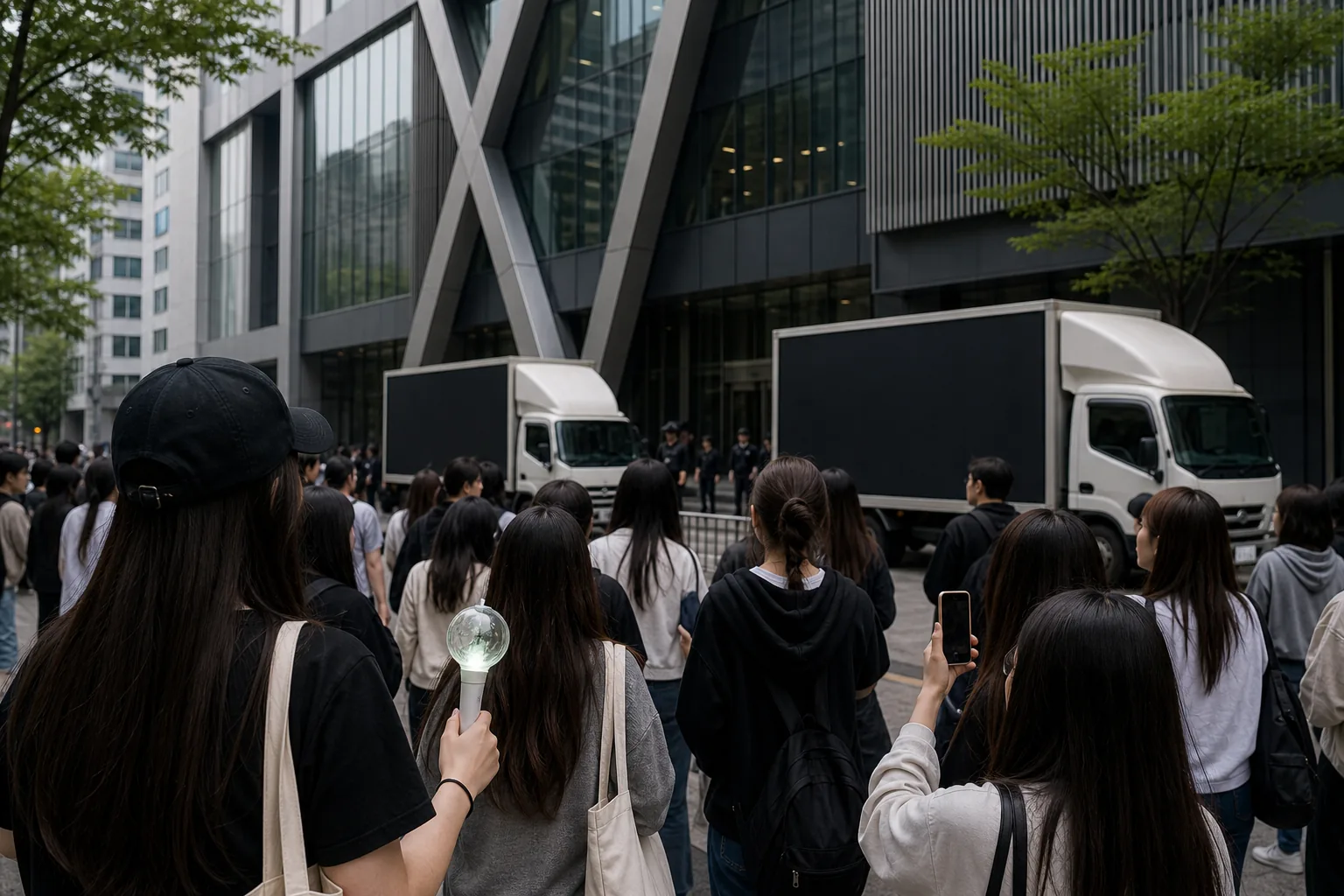
Jisung later apologized through Bubble, the paid fan communication platform often used by idols to speak directly with supporters. The full wording of his message was not made broadly public in the report, but the apology did not end the discussion. Instead, attention shifted to protest trucks that were later seen outside SM Entertainment’s building with messages criticizing the members for continuing to refer to Mark.
Why The Comment Became A Flashpoint
The protest messages argued that the group should stop centering public conversation on a former member. Some fans interpreted Jisung’s mention of the Yangpyeong trip as another sign that the group was holding onto a seven-member image rather than moving forward as the current lineup. One message quoted in the source report emphasized that the group name is NCT DREAM, not a seven-member framing, while another questioned whether fans should keep supporting the team if the members were not committed to promoting the present version of the group.
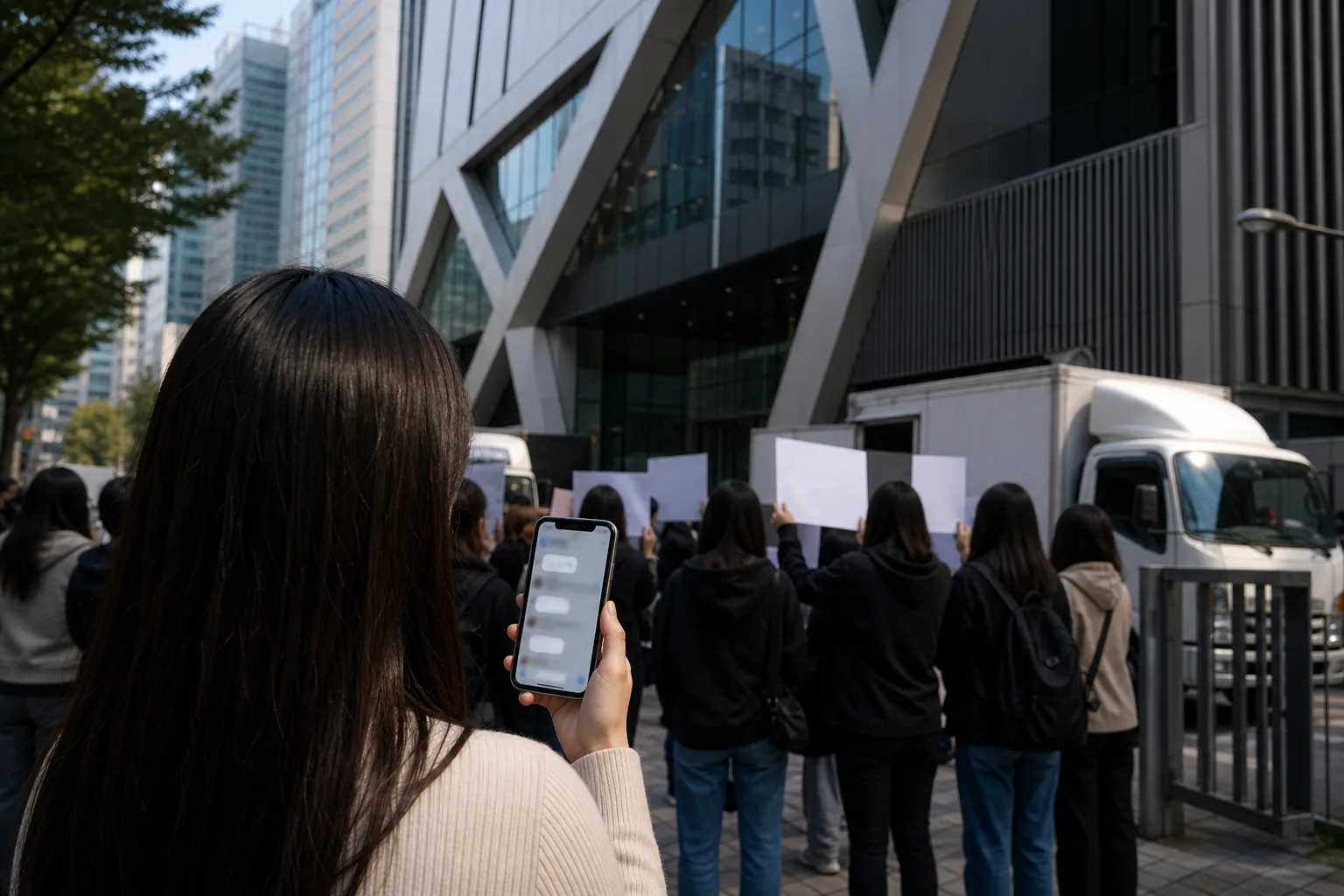
The organizer behind the trucks also defended the action online, arguing that idols should generally avoid bringing up former members to group fans. That position reflects a common expectation in some K-pop spaces: once a member leaves, agencies and artists are expected to draw a firm public line so the current team can rebuild its identity without reopening old attachments.
But the backlash has not been universally supported. Many fans pushed back against the tone and scale of the protest, saying that personal friendships do not disappear just because group activities change. From that perspective, Jisung’s comment was not a professional slight against current fans but a natural reference to someone who remains part of the members’ personal lives.
Fans Split Over Protest-Truck Culture
The argument also became a debate about protest trucks themselves. In Korean entertainment fandoms, trucks with digital or printed banners have become a direct way to pressure agencies, criticize management decisions, or demand statements. They are visible, relatively hard for companies to ignore, and often designed to make online frustration physically present outside a corporate office.
That visibility is exactly why they remain controversial. Supporters see them as a legitimate fan tool when companies seem unresponsive. Critics argue that trucks can escalate a disagreement too quickly, especially when an individual idol is being targeted for a comment that may have been casual rather than strategic. In this case, some fans said the criticism toward Jisung felt disproportionate, while others insisted the members should be more careful because public words can shape expectations around the group’s future.
The disagreement is sharpened by NCT DREAM’s long history as a team whose identity has been closely tied to member relationships. Fans have followed the group through years of promotions, graduation-system changes, and evolving lineup narratives. That history means a single reference to Mark is not heard in isolation; for many listeners, it connects to years of emotional investment in what NCT DREAM was, what it is now, and what fans believe it should become.
At the same time, the situation shows the limits of trying to manage fandom emotions through silence. Avoiding every mention of a former member may create a cleaner promotional line, but it can also feel artificial when the members have shared years of work and friendship. Mentioning that relationship openly may feel honest to some fans and painful or confusing to others.
What Happens Next
As of the source report, SM Entertainment and the other NCT DREAM members had not issued additional public statements about the protest trucks. That leaves Jisung’s apology as the main formal response so far, while fans continue to debate whether the reaction was necessary, excessive, or a symptom of deeper frustration around the group’s direction.
The story is unlikely to be resolved by one message because it touches on broader K-pop tensions: artist friendships, group branding, agency communication, and the power fans now have to turn online dissatisfaction into public pressure. For NCT DREAM, the immediate challenge is not only calming this specific controversy, but also navigating how the group speaks about its past while presenting a clear future to fans.
For now, the facts are narrow but the reaction is wide. Jisung mentioned a trip that included Mark, apologized after backlash, and protest trucks outside SM Entertainment turned the disagreement into a visible fandom flashpoint. The next signal to watch is whether SM or the members choose to clarify the group’s public stance, or whether they let the controversy fade while adjusting how they communicate in future livestreams and fan messages.
Join the Conversation
Log in to share your thoughts and join the conversation with other fans.