
PERSES Member Jung Apologizes After Solo Teaser Draws TXT Yeonjun Plagiarism Claims

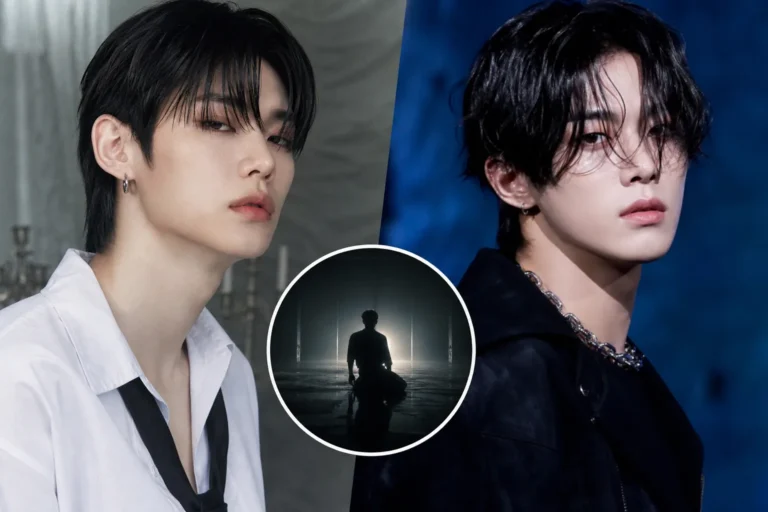
PERSES member Jung has issued a public apology after promotional material for his solo project “Fly” drew online accusations that it closely resembled recent visuals associated with TXT member Yeonjun. The dispute spread quickly among K-pop fans after teaser images and video clips for Jung’s release were compared with Yeonjun’s solo-related content, turning what began as a promotional rollout into a wider discussion about creative review, agency responsibility, and the burden placed on artists when concepts become controversial.
Jung, a member of the Thai boy group PERSES, had been preparing to release “Fly” as part of his solo work with F.HERO. The rollout included a teaser video showing him in an industrial-style warehouse setting, paired with spoken narration and a dramatic visual tone. Promotional images also circulated online before some were later removed. Soon after, viewers began pointing to perceived similarities between parts of the campaign and material connected to Yeonjun, including earlier poolside imagery and sequences linked to Yeonjun’s NO LABELS: Part 01 era and the track “Coma.”
Online Comparisons Escalated Quickly
The comparisons did not remain confined to a small group of posts. As screenshots and clips moved across social platforms, fans examined framing, styling, mood, and the broader creative direction of the teasers. Some users argued that the resemblance went beyond ordinary genre overlap or shared pop-video aesthetics, while others cautioned against directing all criticism at Jung personally without knowing how much control he had over the production and promotional decisions.
The controversy became more visible because it involved two fandom spaces with active international audiences. TXT’s fanbase, MOA, reacted strongly to the possibility that Yeonjun’s work had been imitated without proper care. PERSES fans, meanwhile, expressed concern that Jung was being placed at the center of a backlash that may have involved agency staff, creative directors, photographers, editors, and other members of the production chain. That tension shaped much of the discussion: criticism of the final material was often paired with questions about who should have reviewed it before release.
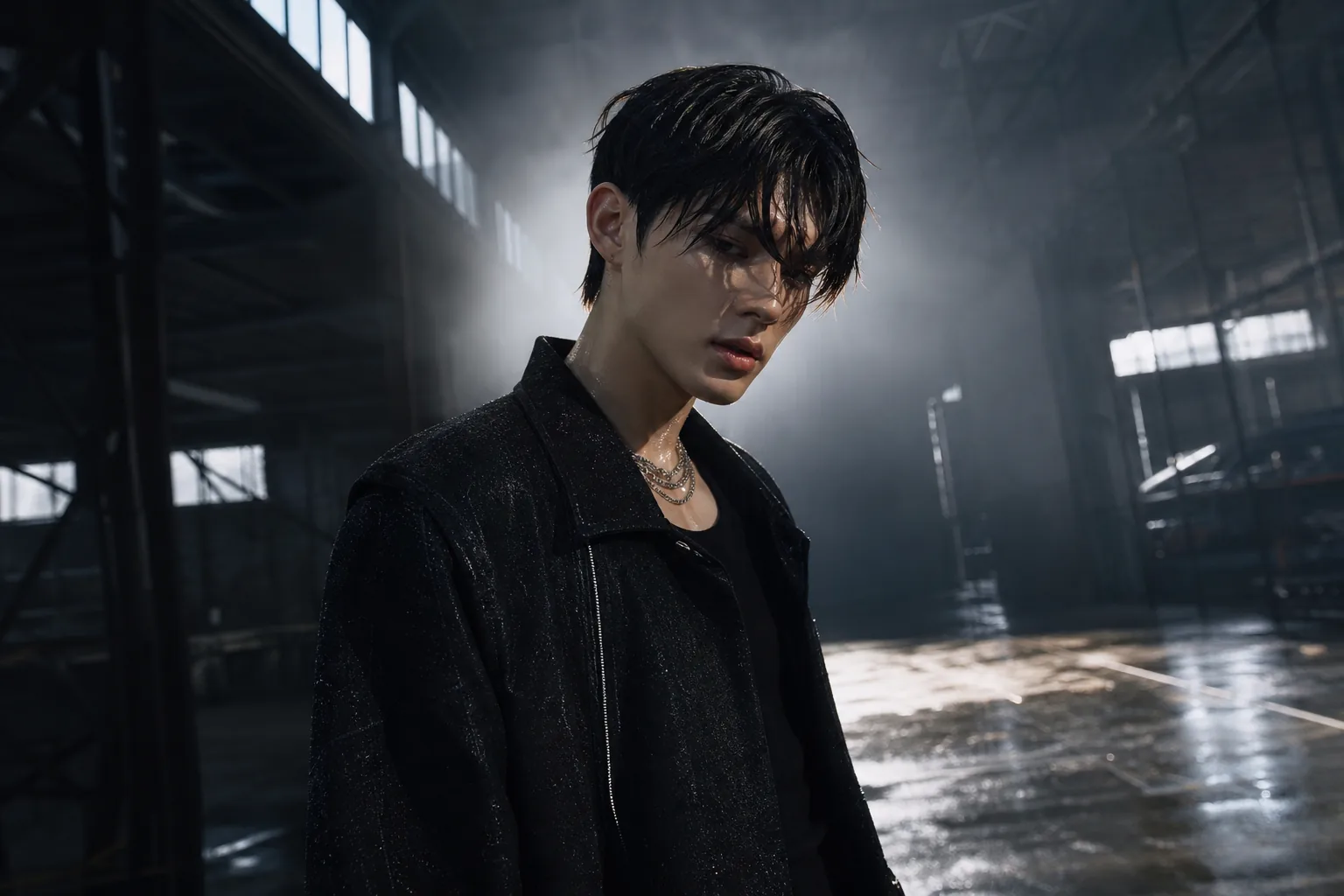
As complaints continued, Jung’s agency G’NEST issued a statement addressing the concerns. The company said it had removed the images that prompted the dispute and stated that there had been no intention to plagiarize. The notice attempted to separate the production issue from an allegation of deliberate copying, but it did not end the criticism. For many fans, the agency response was seen as too limited, especially once Jung himself appeared visibly emotional while addressing the matter directly.
Jung Personally Apologized
Jung later apologized through Instagram Live, where he became emotional while speaking to fans. He apologized to Yeonjun and to MOA, then followed with a written message to clarify his position. In that statement, he said he took responsibility for what happened and emphasized that, as an artist, he respects the work of others in the industry both on stage and behind the scenes. The tone of the apology shifted part of the public conversation away from whether the material looked similar and toward whether a young artist should have had to carry the public response largely by himself.
Fan reactions after the apology were mixed but notably complex. Some viewers appreciated that Jung addressed the issue quickly and personally rather than remaining silent. Others argued that the agency should have provided a stronger and more detailed explanation before he appeared alone in front of fans. Several comments circulating online suggested that the production and management team should take greater responsibility for checking references, clearing creative concepts, and protecting both Jung and the artists whose work may have been echoed.
The incident highlights a recurring pressure point in K-pop and Asian pop promotion, where visual concepts are developed rapidly across teasers, short-form clips, photography sets, album branding, and music videos. Because artists and agencies release so much visual material in compressed promotional windows, small similarities can be amplified immediately by fan communities that archive and compare past content in detail. At the same time, those same communities often distinguish between an individual performer and the larger creative system behind a release.

For Jung, the immediate challenge is to continue promoting “Fly” while rebuilding trust around the project. For G’NEST, the controversy raises a broader question about internal review standards and how future promotional assets will be vetted before publication. The agency’s removal of disputed images may limit further circulation, but the public response shows that fans expect more than a quick deletion when creative overlap is alleged.
No further changes to the release schedule have been confirmed in the material reviewed for this article. The controversy, however, has already become a case study in how quickly visual similarities can reshape a solo rollout. Jung’s apology may soften some criticism, but the longer-term response will likely depend on whether fans see clearer accountability from the team responsible for developing and approving his promotional content.


Join the Conversation
Log in to share your thoughts and join the conversation with other fans.