
Song Mino Testifies In Supervisor Trial Over Military Service Attendance Case

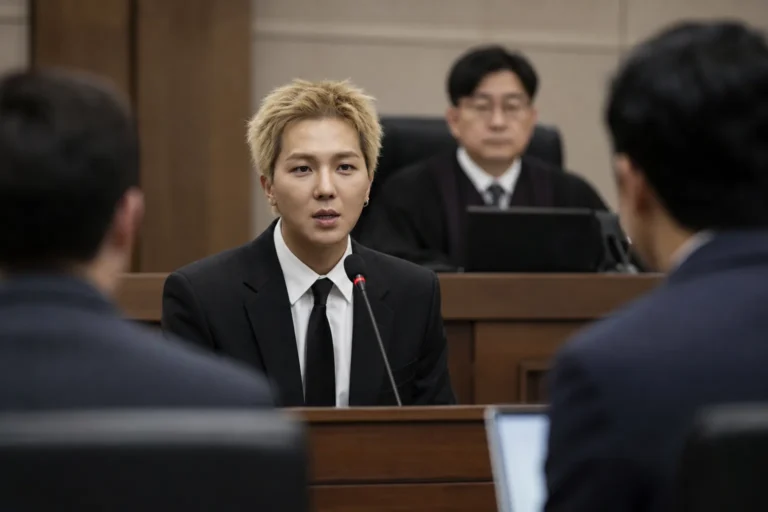
WINNER member Song Mino returned to court in Seoul on July 14 as a witness in a military service law case centered on the public official who supervised his alternative service. The appearance drew attention because it placed the artist back before reporters only months after prosecutors sought prison time in his own related case.
Song appeared at the Seoul Western District Court for the third hearing in the trial of a former service-duty manager, identified in reports only as Mr. A. The manager is accused of mishandling Song’s attendance during the rapper and artist’s period as a social service worker. The central question for the court is whether the supervisor merely processed records improperly or knowingly allowed absences to be recorded as normal work attendance.
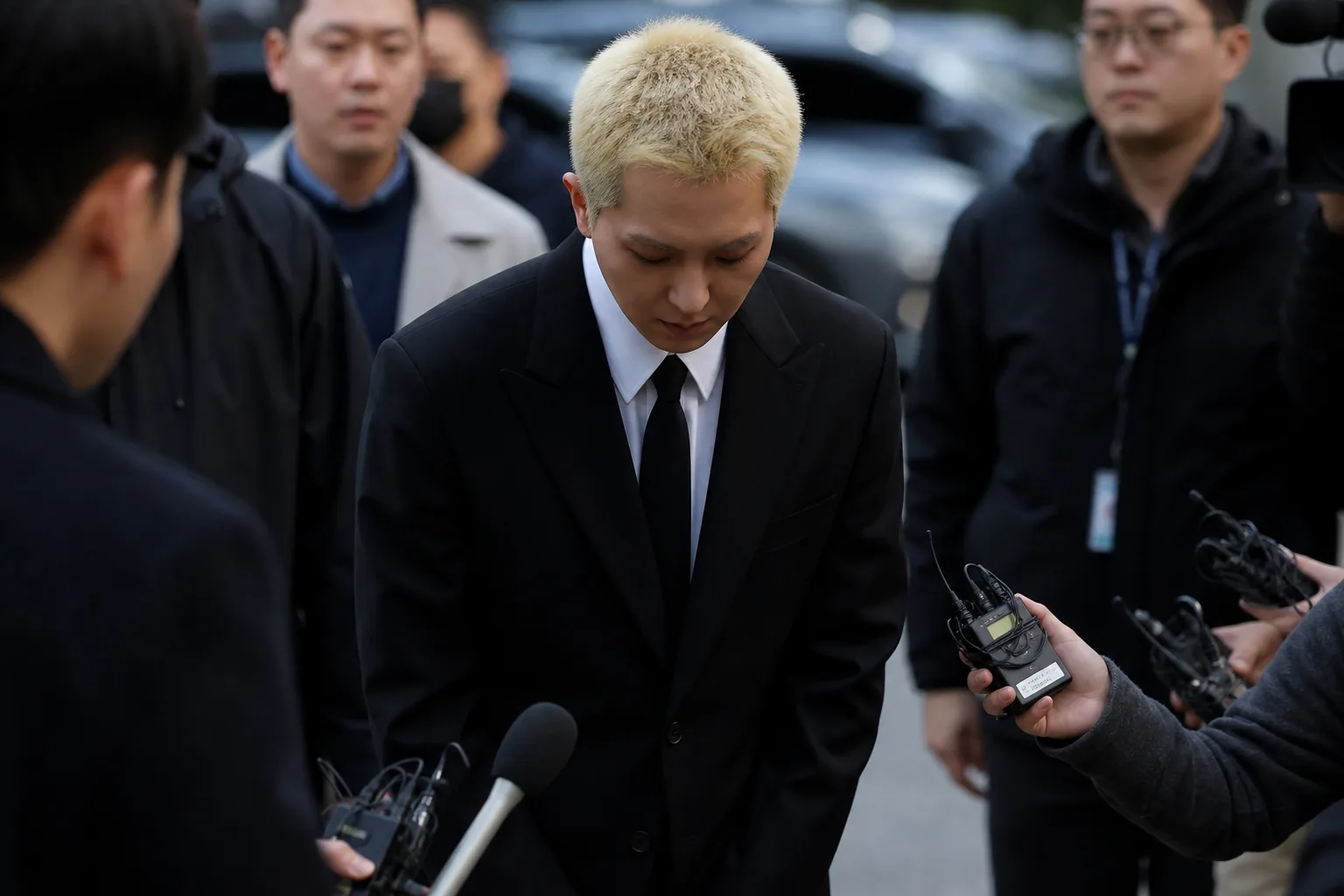
The hearing was notable because Song was called to testify directly about his relationship with the supervisor and about the handling of attendance records. According to reports from the courthouse, Song arrived in a black suit, bowed his head, and briefly apologized to gathered media before entering the courtroom. The subdued arrival contrasted with the public intensity surrounding the case, which has continued to generate debate over celebrity treatment during mandatory service.
What The Court Is Examining
South Korea’s mandatory service system allows some individuals to complete alternative duty as social service workers, including people assigned to public agencies or local facilities. In Song’s case, the allegations concern his service from March 2023 to December 2024 at Mapo-related facilities. Reports state that he is accused of being absent without authorization for 102 days out of roughly 430 working days.
At an earlier hearing in April, Song admitted the charges in his own military service violation case. Prosecutors requested a sentence of one year and six months in prison. In a final statement at that hearing, he apologized for not fulfilling his duty faithfully and asked for leniency, saying he hoped for a chance to complete service properly.
The separate proceeding involving Mr. A focuses on the conduct of the official who oversaw the assignment. Prosecutors allege that the supervisor knowingly allowed Song not to appear for work while attendance was still processed as if he had reported normally. The defense has reportedly acknowledged some irregularities in how attendance was handled but denies a prior conspiracy to falsify records.
Testimony About Personal Favors
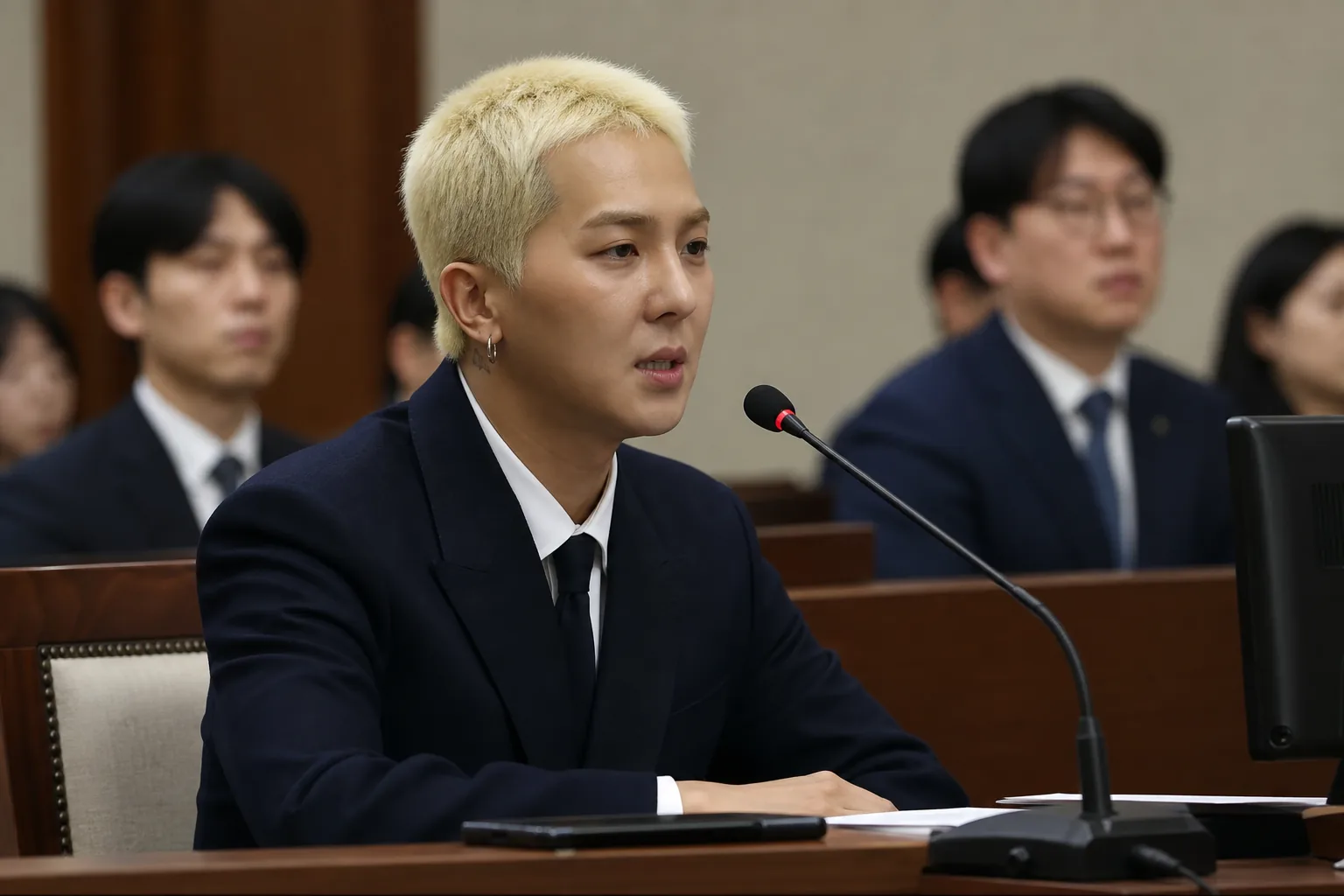
During questioning, Song acknowledged that he and the supervisor developed a personal relationship during the service period. Reports said he admitted lending the supervisor money, offering advice connected to the supervisor’s child’s dance activities, and taking a two-day fishing trip with him. Prosecutors asked whether those actions amounted to favors connected to special treatment.
Song denied that interpretation, saying the gestures came from a friendship that formed during service rather than an expectation of preferential handling. He also reportedly accepted personal responsibility for not reporting to work, telling the court that leaving his post had been his own decision and expressing regret that the supervisor was now standing trial because of him.
Messages shown in court reportedly included the supervisor telling Song he could rest at home if he was tired. The hearing also addressed trips to places such as Busan and Jeju, with reports saying some travel and leave matters were processed after the fact rather than approved in advance. Those details are likely to remain important as the court weighs whether the supervisor’s actions were negligent, overly lenient, or part of an agreed arrangement.
Health Claims And Public Scrutiny
Song also referred to his health during the service period, saying he had suffered from severe bipolar disorder and panic disorder. According to the testimony reported from court, he said a doctor had advised him against serving from the beginning and later recommended suspension of service, but he had insisted on continuing. He reportedly added that he now regrets insisting on completing the service under those circumstances.
The case has attracted attention beyond the legal questions because Song is a well-known member of WINNER and has long been active in music, television, and visual art. Public service controversies involving celebrities often trigger broader discussion in South Korea, where military obligations are closely watched and perceived fairness can become a major issue.
For now, the case is moving on two tracks: Song’s admitted violation and the supervisor’s trial over alleged preferential treatment and records handling. The next hearing in the manager’s case is scheduled for August 20, when the court is expected to continue questioning and move closer to a conclusion. Until then, the dispute will likely remain focused on whether the attendance irregularities reflected Song’s individual choices, a supervisor’s improper leniency, or coordination between the two.



Join the Conversation
Log in to share your thoughts and join the conversation with other fans.
There is something especially exciting about ??topic??when the timing feels this right ??Ready for the performances and fan reactions.