
Mark Lee Returns to Public View After Controversy, Drawing Fresh Backlash Online

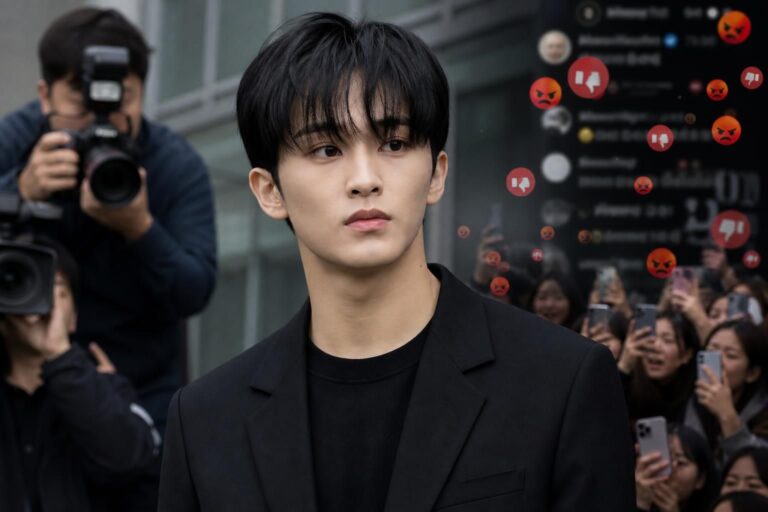
Mark Lee, a member of NCT, made his first in-person public appearance since an escalating controversy, but the move has instead reignited criticism online. According to reports, the idol was spotted at an airport on June 26 while preparing for an overseas schedule, marking the first time he had appeared publicly since the backlash began earlier this month.
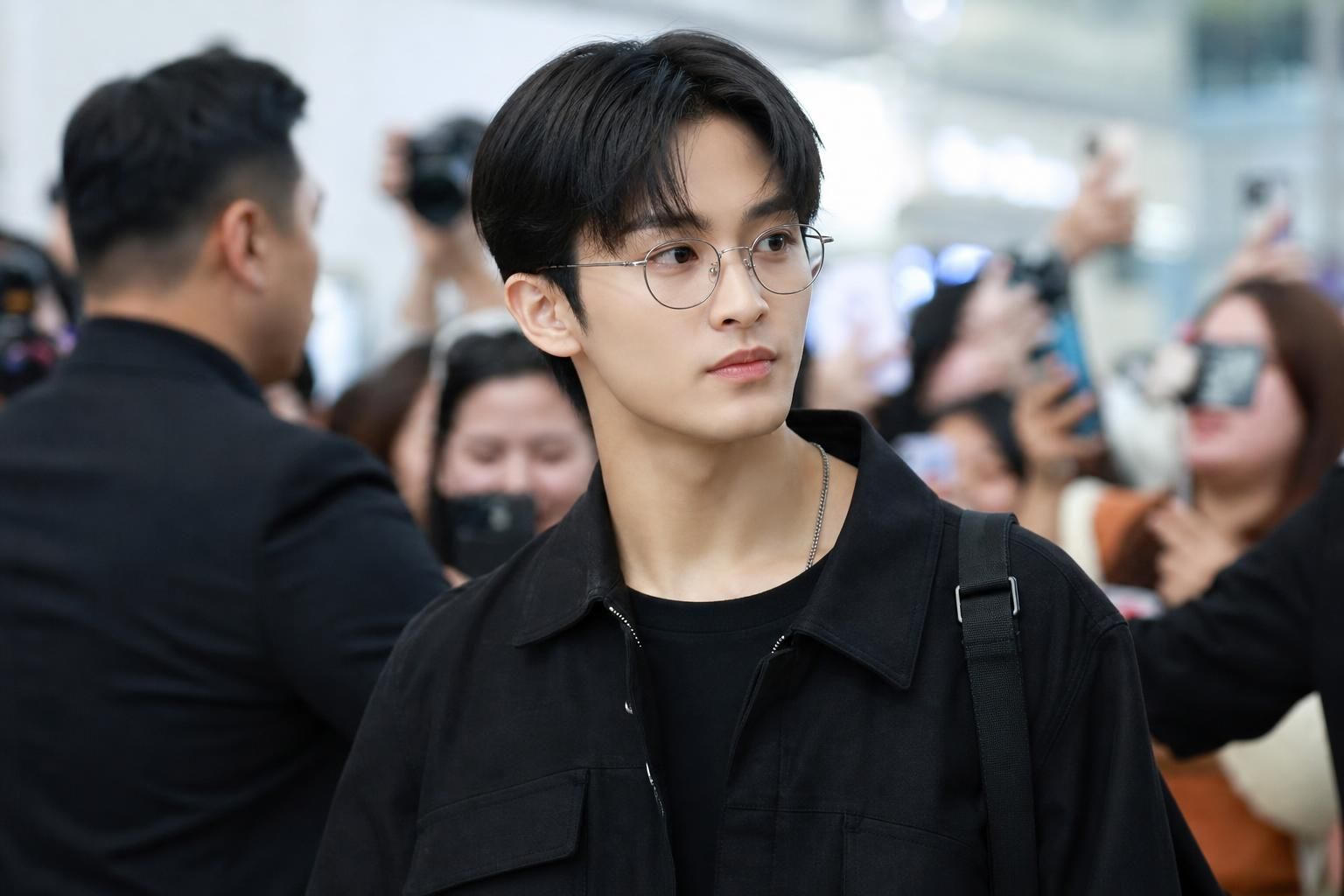
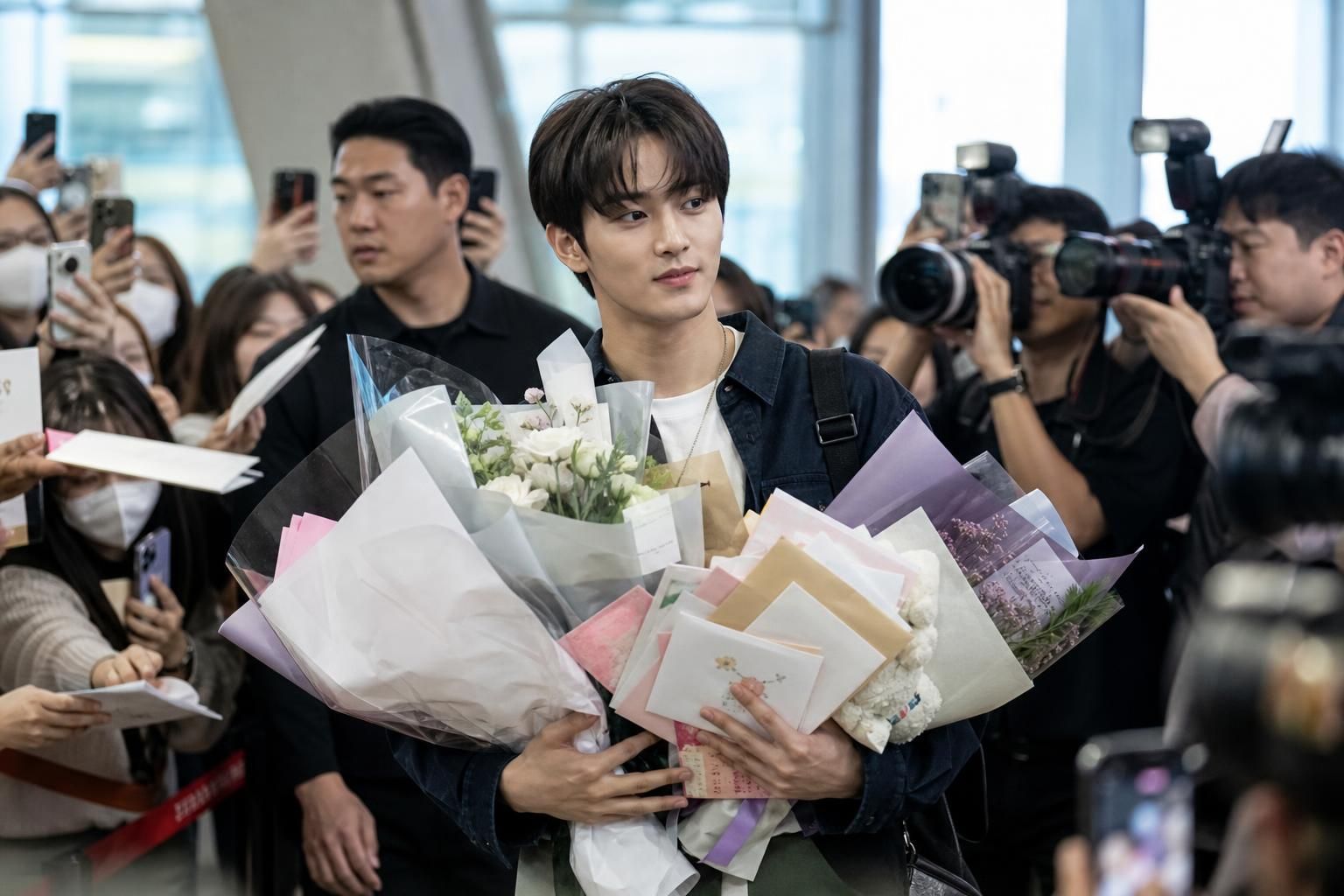
Per the Koreaboo report, Lee was photographed smiling and performing “aegyo” for reporters, as well as receiving letters and flowers from fans. While some viewers interpreted the appearance as routine and a sign that he planned to continue his work as scheduled, many others expressed disappointment—arguing that his behavior did not appear to acknowledge the ongoing controversy.
The controversy that preceded the airport appearance
In the run-up to the airport footage, Lee became embroiled in public scrutiny tied to the way he has presented controversial themes. The report notes that he was previously criticized after being seen wearing a shirt featuring a Confederate flag, a symbol widely associated with racism and slavery in the United States. The backlash expanded further after additional online activity drew attention, including an Instagram update tied to a “challenge” that included controversial lyrics.
For many fans and observers, the key concern is that the messaging—across both the clothing incident and subsequent social-media content—appeared to conflict with expectations for cultural sensitivity, particularly for a global entertainer whose audience spans multiple countries.
Fans react to what they see as “moving on” too quickly
The airport appearance quickly became a focal point on social media. Koreaboo describes how Lee arrived for his overseas schedule and interacted with reporters in a way that some viewers said looked unaffected by the controversy. In online commentary cited by the outlet, several users criticized him for showing up as if “nothing happened,” arguing that the public still expects accountability or clarification before business-as-usual resumes.
Others suggested the incident could continue to damage his brand and widen the distance between him and a segment of his fanbase. In contrast, supporters argued that the airport appearance in itself should not be treated as an endorsement of controversy—especially since the event may simply have been a routine professional obligation.
Why symbolic controversies are hard to “contain”
Controversies involving public figures often intensify when audiences interpret actions as either dismissive or unresponsive. Even if no formal statement is made, viewers may read body language, timing, and content cadence—such as whether an artist posts updates, pauses schedules, or appears publicly—as signals.
In Lee’s case, the visibility of the airport moment appears to have lowered the threshold for renewed debate. The images—receiving fan letters and flowers while posing for reporters—can be interpreted in multiple ways. For critics, the symbolism may read as “normalizing” the dispute; for supporters, it may simply represent continued fan engagement and professional continuity.
Public relations challenge for idols amid global scrutiny
For K-pop idols operating on an international stage, backlash can spread across platforms rapidly and translate into brand risk that extends beyond domestic audiences. The Confederate flag association, for example, is likely to resonate differently depending on where viewers are located, but in many contexts the symbol is widely understood as hateful or discriminatory. When such symbolism is perceived as unintentional or poorly considered, the response often hinges on whether the artist provides context—such as an explanation, apology, or evidence of correction.
Koreaboo’s report frames the airport appearance as the latest chapter in a dispute that is still “ongoing,” suggesting that public patience may be limited. While idols frequently continue schedules during controversies, this can become a liability when audiences believe they are watching for acknowledgment rather than resilience.
What happens next
Going forward, the key variable is whether Lee—and/or his management—addresses the controversy directly with a clearer statement. Without that, each new public-facing moment can become part of the narrative, especially when images circulate widely on social media.
In the near term, observers will likely watch for whether Lee’s overseas schedule proceeds normally, whether his team moderates future posts, and how fans respond to subsequent content. If additional controversy-related posts emerge, or if critics argue that there is still no meaningful clarification, the backlash may keep intensifying even as he continues visible professional activity.


Join the Conversation
Log in to share your thoughts and join the conversation with other fans.