

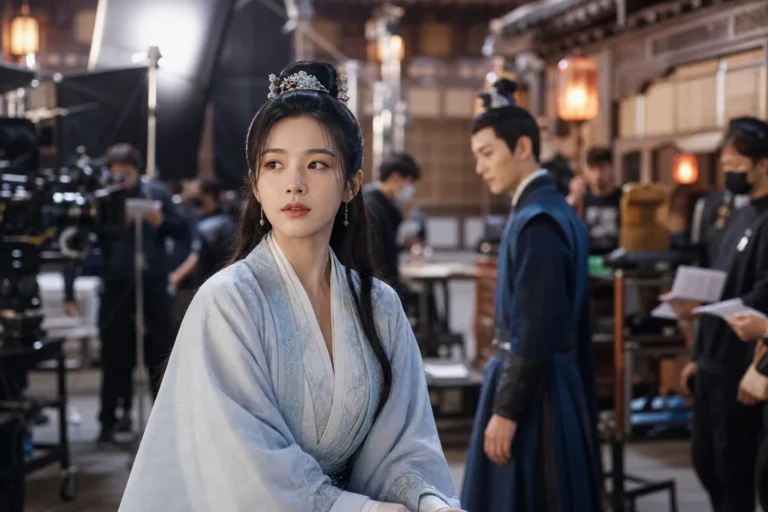
K-pop’s influence on Asian entertainment is no longer limited to music charts and concert stages. A new Soompi feature on C-dramas starring actors with K-pop roots points to a wider shift: performers trained through Korean idol systems, or connected to K-pop groups, have become increasingly visible in Chinese television and streaming dramas.
The list brings together artists whose careers moved in different directions. Some began as K-pop idols before returning to China and focusing on acting. Others had early acting experience before joining idol groups. A few continue to move between both fields, using music, performance, and screen work as connected parts of a broader entertainment career.
That range matters because it shows that the K-pop-to-C-drama path is not a single formula. Wang Yibo, SEVENTEEN’s Jun, Victoria Song, Zhou Jie Qiong, Lay, Luhan, Cheng Xiao, Wu Xuan Yi, WinWin, Xu Ruo Han, and Zhai Xiao Wen each represent a different version of the crossover. Together, they show how idol training, language fluency, dance discipline, fan communities, and acting opportunities can overlap across markets.
From Idol Training to Screen Presence
One of the best-known examples is Wang Yibo, who trained under YG Entertainment and debuted with UNIQ in 2014 before becoming one of the most recognizable C-drama names of his generation. His role in The Untamed remains a major reference point because it demonstrated how a performer known for music and dance could build a screen identity through restraint, timing, and controlled physicality.
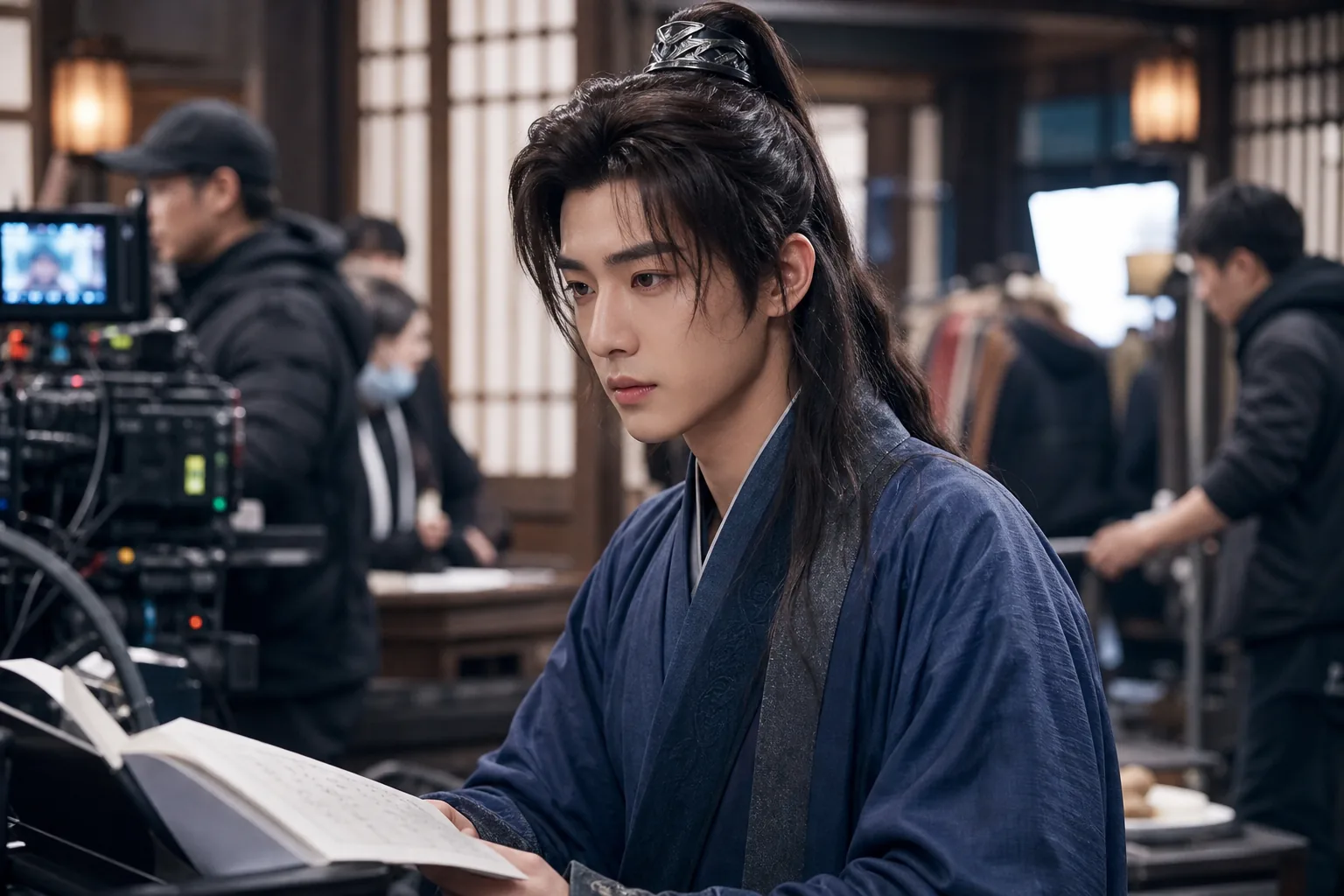
SEVENTEEN’s Jun offers a different route. Before becoming part of one of K-pop’s biggest boy groups, he had already worked as a child actor. In Exclusive Fairytale, that earlier acting foundation combines with the polish and camera awareness that come from years of idol performance. His case complicates the usual assumption that idol actors always move from music into acting; for some, acting was already part of the story.
Victoria Song’s career is another important model. After debuting as the leader of f(x) under SM Entertainment, she gradually built a steady Chinese acting portfolio. In dramas such as Fight for Love, her appeal rests less on the novelty of being a former idol and more on the ability to carry emotionally contained, strategy-driven characters in larger genre settings.
Why C-Dramas Keep Casting K-Pop-Linked Talent
For producers, artists with K-pop roots can bring several advantages at once. They often arrive with existing international recognition, strong movement skills, experience performing under intense public scrutiny, and fandoms that follow projects across platforms. Those factors do not replace acting ability, but they can help a drama attract early attention in a crowded market.
The Soompi feature also shows how varied the genres have become. These performers are not limited to idol-themed stories or light romances. The list includes fantasy epics, youth romance, e-sports stories, sports dramas, antique-world mysteries, metaverse-adjacent plots, and historical or political narratives. That spread suggests casting is based as much on marketability and character fit as on any simple ‘idol actor’ label.
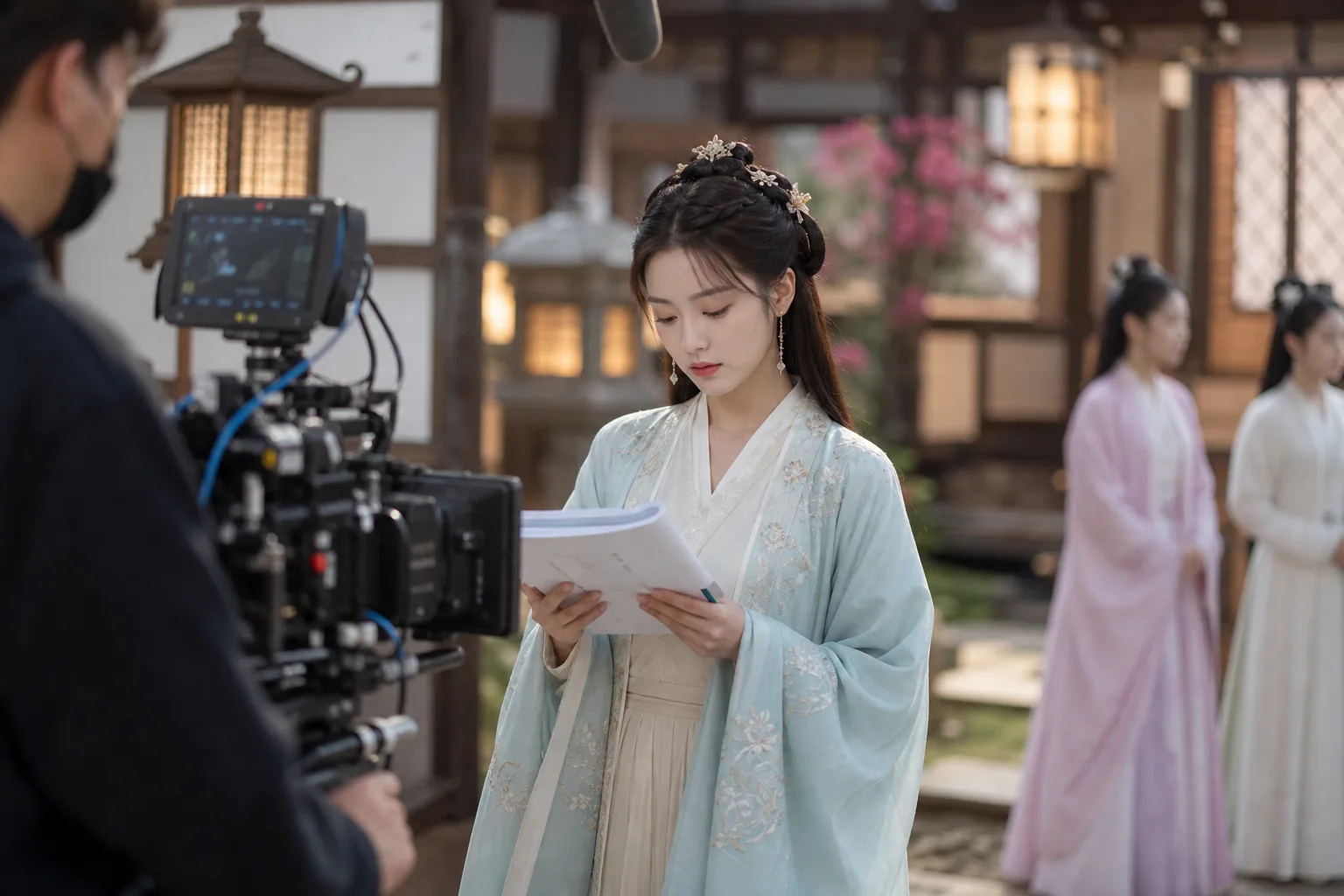
Zhou Jie Qiong, also known as Joo Kyul Kyung, reflects the post-idol transition especially clearly. After I.O.I and PRISTIN, she shifted toward acting in China, taking roles that require changes in tone and body language. Cheng Xiao and Wu Xuan Yi, both formerly connected to WJSN, have also built Chinese screen profiles that rely on charm, visual presence, and romantic or fantasy-driven storytelling.
A Broader Asian Entertainment Pipeline
The crossover also says something about how Asian entertainment industries now operate. K-pop training systems have produced performers who are comfortable with multilingual promotion and global fan expectations. Chinese drama platforms, meanwhile, are constantly seeking faces who can travel beyond domestic audiences. When those two realities meet, the result is a wider casting pipeline.
Former EXO members Lay and Luhan are strong examples of that pipeline. Both began in EXO-M and later developed major solo and acting careers in China. Their screen work shows how early K-pop exposure can become one part of a larger celebrity identity rather than the defining limit of a career.
At the same time, the trend creates pressure. Idol backgrounds can attract attention, but drama audiences still judge chemistry, line delivery, emotional credibility, and character interpretation. A large fan base may bring viewers to the first episode, but performance quality determines whether the actor is taken seriously beyond existing fandom circles.
What This Means for Fans
For K-pop fans, these C-dramas offer a way to follow familiar artists into new creative territory. For drama viewers, they provide a reminder that many actors now arrive with complex entertainment histories that cross countries, languages, and formats. The most interesting careers are often the ones that do not fit neatly into one industry label.
The Soompi list is framed as a viewing guide, but it also captures a larger industry pattern. K-pop roots have become part of C-drama star power, not as a novelty, but as one visible route through a more connected Asian entertainment market. As more performers train, debut, return, and reinvent themselves across borders, that crossover is likely to keep shaping casting conversations.


Join the Conversation
Log in to share your thoughts and join the conversation with other fans.