
K-Pop Idols at the World Cup Spark Viral Crossovers—From Matchday Cheers to Sports-Star Shoutouts

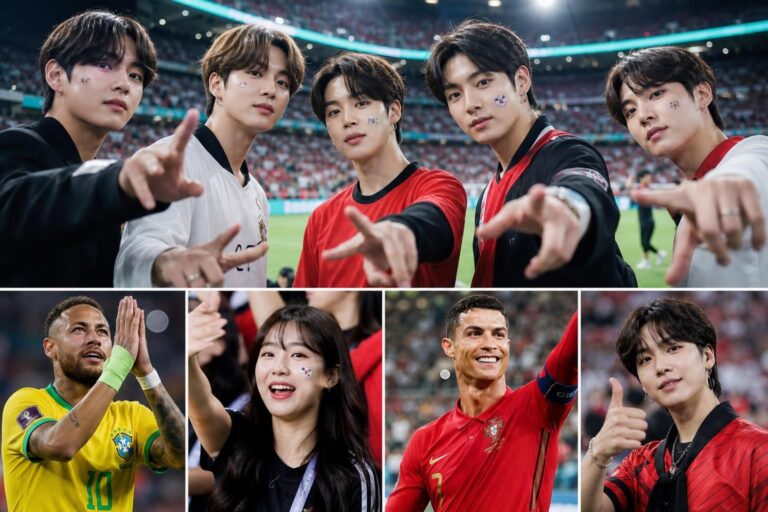
In the latest swirl of matchday buzz, K-pop fandom energy is spilling beyond concerts and into global sports moments—helping fuel viral attention across social platforms. Recent coverage highlights two parallel trends: K-pop acts stepping into prominent World Cup cheering roles, and high-profile sports figures publicly engaging with K-pop stars’ posts and branding around game-day performances.
K-Pop groups take center stage in World Cup cheering
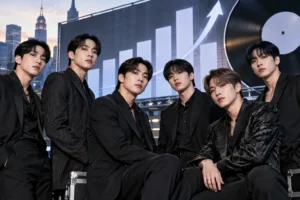
According to reports summarized by SBS News, the group CORTIS has reportedly taken over a World Cup cheering event as the sole K-pop group featured. The development underscores how entertainment brands and fan communities are increasingly positioning themselves as part of the “live spectacle” around major international tournaments—not only as background sponsors, but as visible performers and organizers.
While traditional sports match coverage often focuses on teams, players, and tournament stakes, the modern attention economy treats events as multi-platform experiences. A group serving as the only K-pop act at a cheer initiative can become a focal point for short-form video content, fan chants, and identity-based sharing—especially when audiences already gather online before and after key matches.
Sports stars amplify K-pop fandom with public shoutouts
Another major thread in today’s digest centers on Lee Kang-in, a footballer whose public response to BLACKPINK’s Lisa has been widely circulated. Multiple Korean entertainment and news outlets report that Lee expressed appreciation after Lisa’s “uniform cheering” moment—describing it as “world-class support,” and engaging with the post in a way fans interpreted as a personal endorsement.
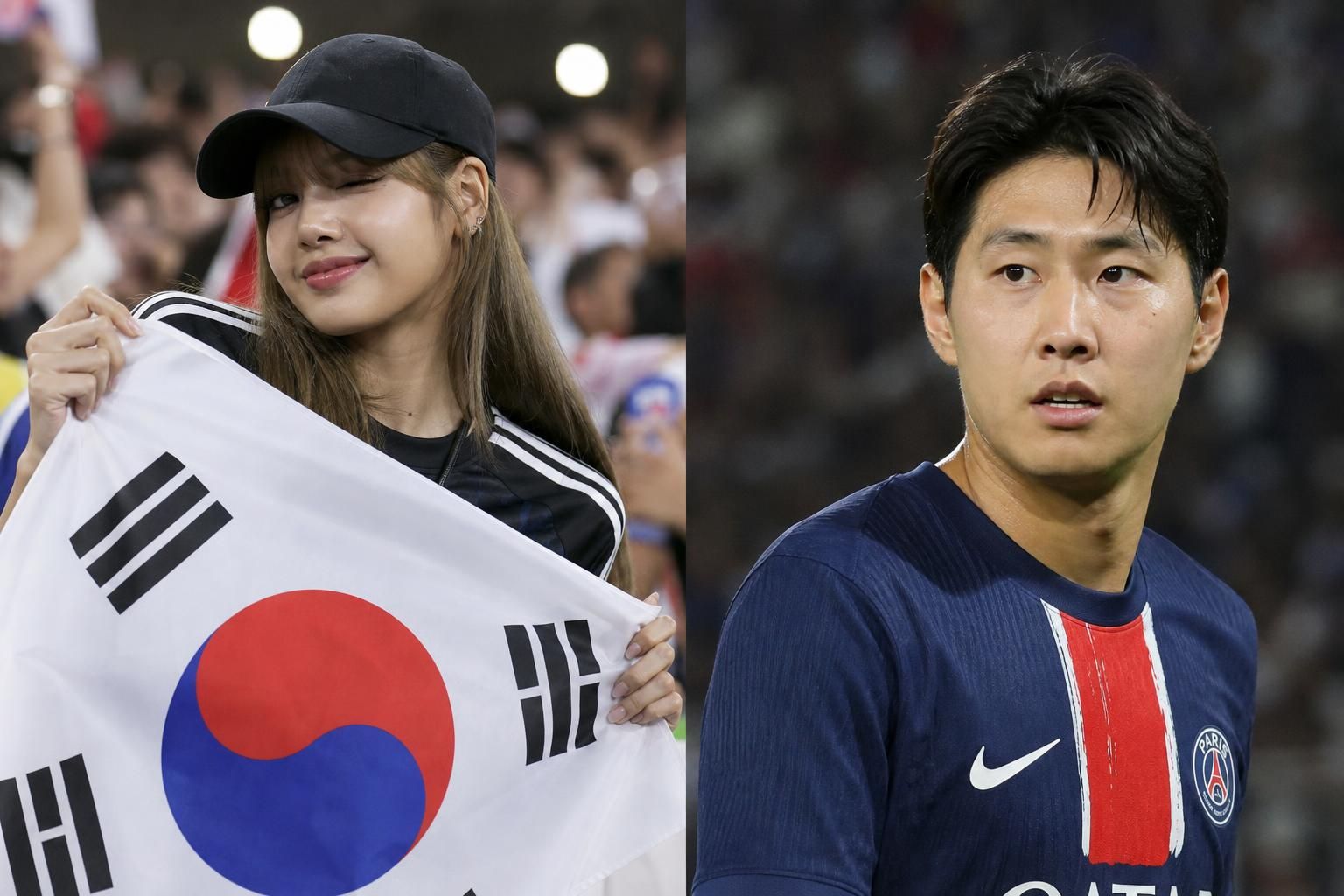
Several separate headlines in the digest repeat this theme in slightly different forms, but the core point remains consistent: the athlete’s acknowledgement turned a fandom-linked gesture into a broader conversation across sports and entertainment communities. In practical terms, when a well-known athlete interacts with a celebrity post, it often triggers:
- Cross-audience discovery (sports fans encountering K-pop content, and vice versa)
- Amplification effects from algorithmic distribution on social platforms
- Fan narrative-building, where supporters interpret “support” as a sign of legitimacy and cultural reach
For K-pop artists and labels, these interactions function like informal marketing—less about paid placement and more about community resonance. For sports figures, they offer a way to participate in wider cultural moments beyond match statistics.
Why these crossovers go viral—beyond celebrity
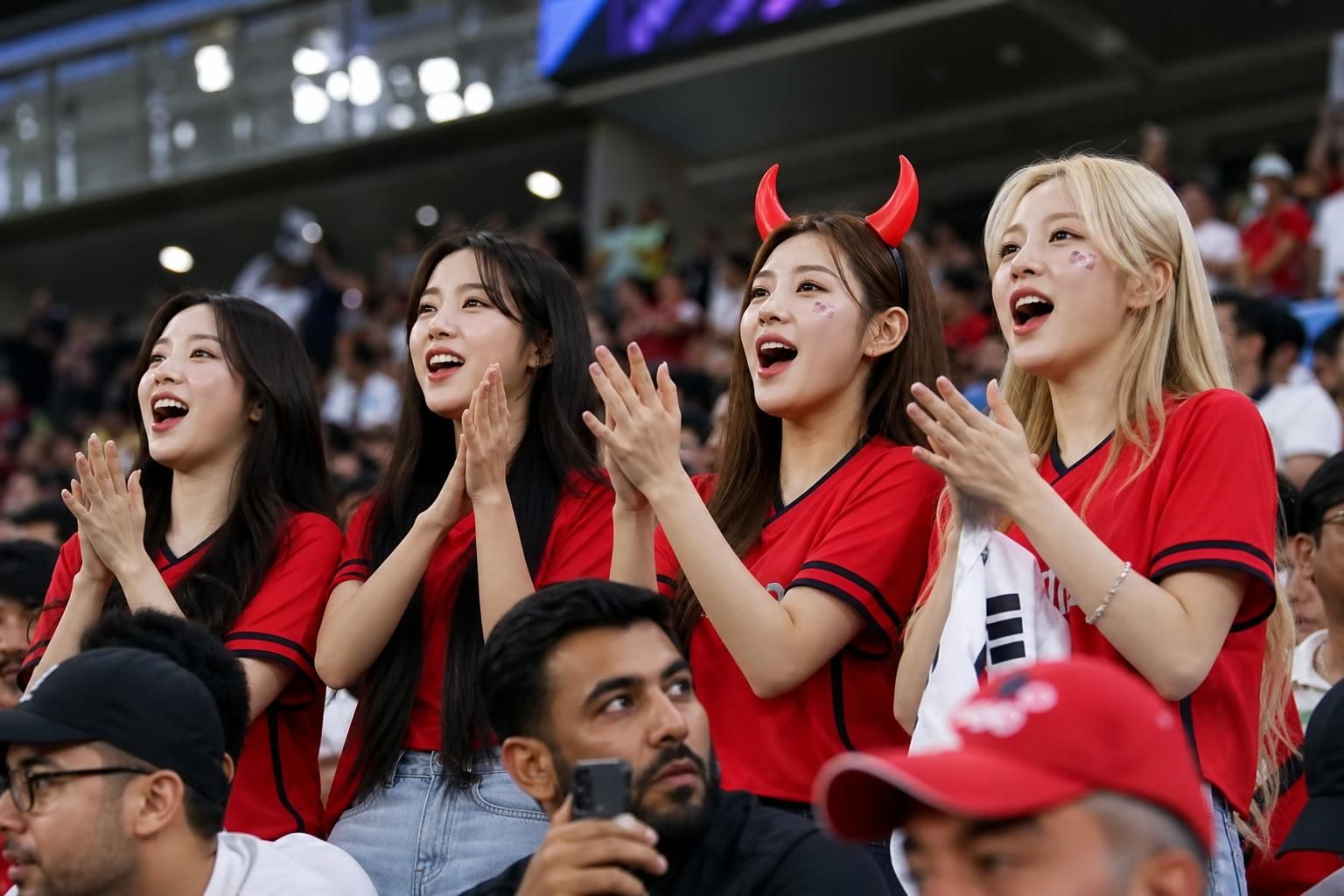
Both trends—the World Cup cheering role and the sports-star shoutout—reflect a shared structural shift: large global events are becoming content engines. Fans don’t just watch; they remix, caption, and comment in real time. That environment rewards recognizable symbols (uniforms, team colors, idol visuals, chantable moments) and makes celebrity participation feel “closer” to the match itself.
At the same time, today’s coverage also hints at a more complicated side of celebrity culture: attention can be generous and celebratory, but it can also invite controversy. While the digest’s most explicit controversy-related headlines focus on other celebrity rumors and speculative narratives, the underlying mechanism is the same—viral social sharing can quickly turn into debates, misinformation, or factional reactions.
For platforms and public figures, the challenge is balancing visibility with context. The difference between harmless fan enthusiasm and damaging rumor often comes down to verification, tone, and how quickly unconfirmed claims spread.
What happens next: bigger integrations, more scrutiny
Looking ahead, expect more entertainment-sports integrations—from cheer lineups to performer appearances—especially as tournament organizers seek to internationalize the experience and keep engagement high between matches. If CORTIS’s World Cup presence continues to draw attention, other acts may pursue similar placements, and broadcasters may increasingly package celebrity-adjacent content as part of the event’s “identity.”
Meanwhile, sports stars interacting with K-pop celebrities are likely to remain a recurring pattern, particularly around high-visibility milestones like televised matches, international breaks, and promotional visuals. However, the attention that comes with these interactions will also increase scrutiny. As fans interpret signals and communities react in real time, public figures may face pressure to clarify intent, manage comment threads, or address backlash—fast.
In the near term, the key metric to watch will be how sustained the engagement becomes: whether these viral moments translate into ongoing partnerships and event programming, or fade into isolated trending topics. Either way, the message from today’s headlines is clear—at major global events, fandom is no longer confined to entertainment venues. It’s part of the stadium story.

Join the Conversation
Log in to share your thoughts and join the conversation with other fans.
This has a softer feeling than I expected. The little details make it easier to connect with.