
TWICE Contract Renewal Reports Put Spotlight on Members’ Solo Agency Plans


TWICE’s contract renewal period has become one of the most closely watched K-pop business stories of the week, after a series of reports and fan discussions placed several members’ future agency arrangements under scrutiny. The attention intensified on July 14, when new reporting said Jihyo may be preparing to leave JYP Entertainment for her individual activities while continuing with TWICE as a group.
The central point is not a confirmed breakup of TWICE. Instead, the reports describe a possible shift in how some members could manage solo work after years under one of K-pop’s most visible group contracts. JYP Entertainment has been cited as saying that negotiations are still ongoing, leaving the group’s formal contract picture unresolved as fans wait for an official announcement.
Jihyo Report Raises Stakes
According to the reporting circulated by Koreaboo from Joy News24, Jihyo is said to be leaning toward establishing a one-person agency for her solo career. The report says she has recently met entertainment-industry figures and is widely expected to pursue a structure that would separate personal activities from group promotions.
That distinction is important. In recent years, several major idol groups have kept team activities intact while individual members moved solo management, acting, music, or fashion work to different agencies. Such arrangements can be complicated, but they are no longer unusual in the industry. For TWICE, one of JYP Entertainment’s defining acts, any similar move would draw close attention because the group remains commercially active and internationally prominent.
Jihyo’s reported plans also follow her expanding identity as both a group leader and solo performer. Since debuting with TWICE in 2015, she has become one of the group’s most recognizable voices and later built a solo profile of her own. A separate management setup, if confirmed, would likely be read as a move to give her more direct control over individual projects rather than as a statement about TWICE’s future.

Other Members Draw Speculation
The broader renewal conversation extends beyond Jihyo. Koreaboo’s summary of recent reports and speculation listed Tzuyu, Jeongyeon, Chaeyoung, and Sana among members whose next steps have been discussed online, though the strength of the claims varies sharply by member. Some items are tied to media reports about meetings or possible agency changes, while others come mainly from fans interpreting messages after the group’s latest Seoul concert.
Jeongyeon’s case reflects that uncertainty. One report said she had met with Varo Entertainment, an agency associated with actor Byeon Woo Seok, as she considers future acting-related work. Varo reportedly acknowledged a meeting but did not say a contract decision had been made. Separately, Jeongyeon’s recent fan message after TWICE’s concert prompted anxious online reactions because listeners interpreted its emotional tone through the lens of renewal rumors.
Tzuyu has also been named in reports saying she may not renew her exclusive contract with JYP Entertainment, while still continuing to participate in TWICE activities. Chaeyoung has been linked to outside-company meetings framed around solo creative freedom, including art, fashion, and songwriting. Sana’s situation appears more speculative: the discussion cited emotional fan messages and concert moments, but the same report noted there has been no official information suggesting she plans to leave JYP Entertainment or TWICE.
Group Activity Remains the Key Question
For fans, the most important issue is whether individual agency changes would affect TWICE’s group schedule. The reports currently point toward a possible split between solo representation and group work, a model that has become increasingly familiar as senior K-pop acts renegotiate after their first and second contract cycles. Under that approach, a member may sign elsewhere or create a personal company while a separate agreement preserves participation in albums, tours, fan events, and promotions.
That model still requires coordination. Group comebacks depend on scheduling, revenue sharing, branding rights, and clear agreements between companies. The more members who pursue different solo structures, the more complicated planning can become. At the same time, the approach can help mature groups remain together by allowing members to pursue acting, solo music, production, variety, or overseas opportunities without placing every career decision under one agency.
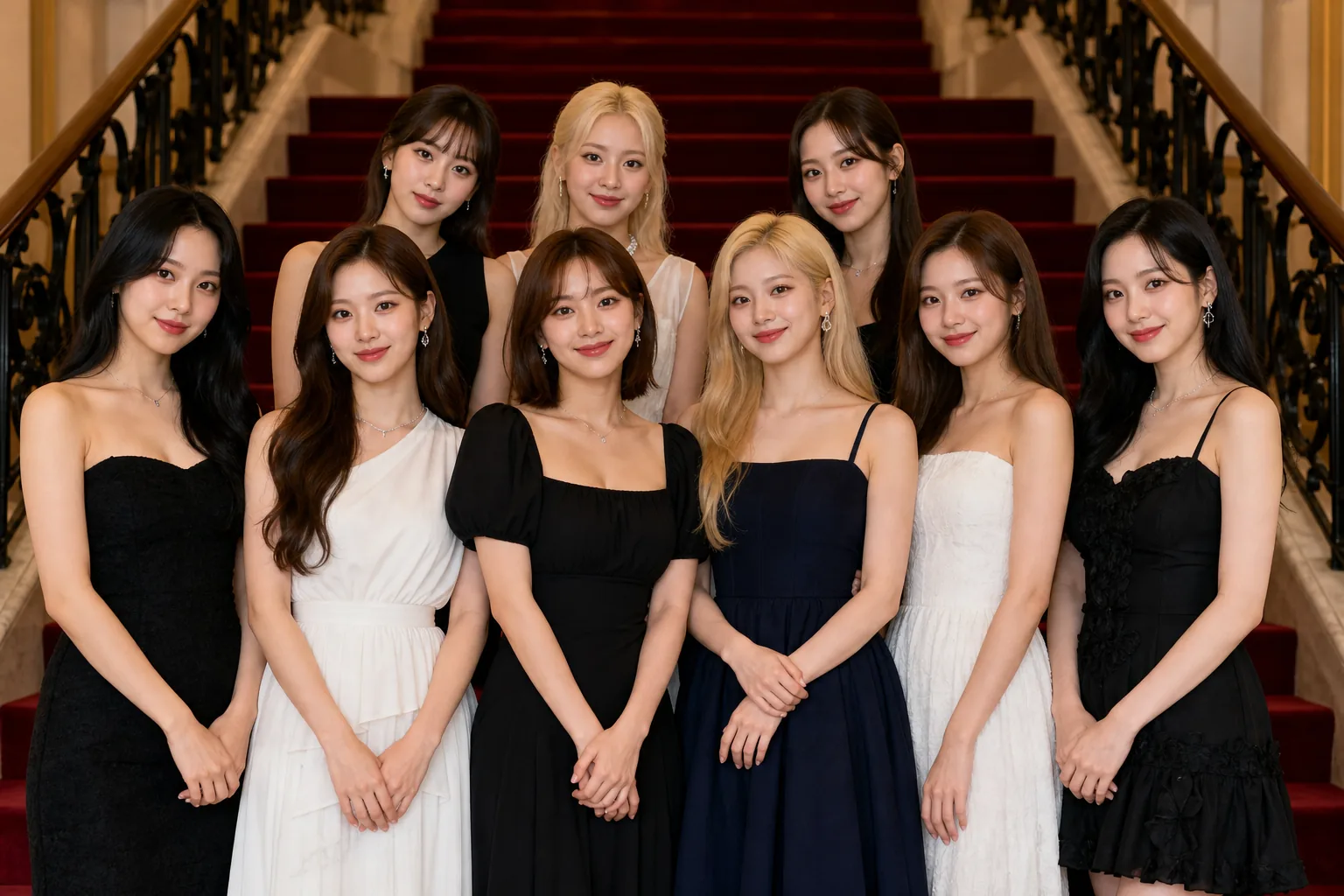
Until JYP Entertainment or the members make formal statements, the situation remains a developing contract story rather than a settled outcome. The available reports suggest that some TWICE members may be seeking greater independence for personal activities, but they also repeatedly point to continued group participation as a possibility. That balance is why the story has attracted so much attention: it sits at the intersection of fan loyalty, idol career longevity, and the changing business structure of top-tier K-pop groups.
For now, TWICE’s next chapter is still being negotiated in public view. The group has just come through major concert activity, fans are parsing every message for clues, and industry outlets are watching for confirmation of how one of K-pop’s most successful girl groups will manage the next phase of its career. The final answer will matter not only for TWICE, but also for how other long-running idol teams approach the line between group identity and individual independence.



Join the Conversation
Log in to share your thoughts and join the conversation with other fans.