
K-Pop’s Hidden Cost: SECRET’s Jun Hyosung Says She Worked for 3 Years Without Pay, While Fans Debate Pain and Pressure on Stage

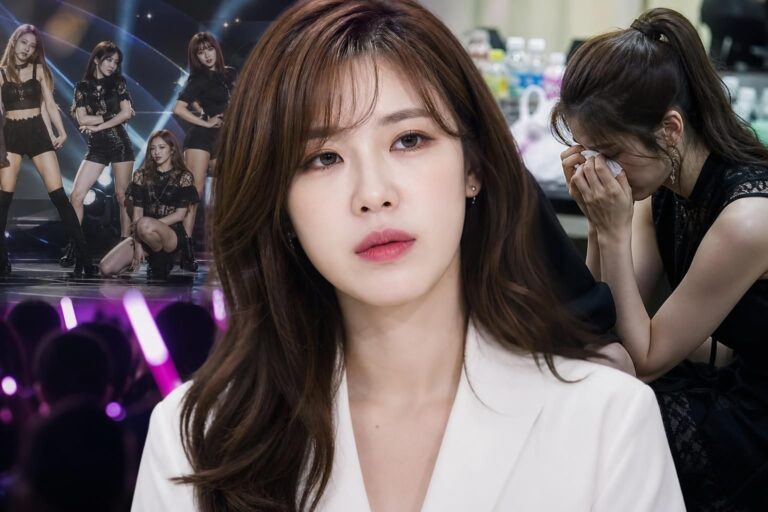
In another reminder of the pressures behind the glossy image of K-pop, SECRET’s Jun Hyosung has opened up about a period in her career in which she said she worked for three years without receiving pay. Her comments, shared in a June 15, 2026 video appearance on comedian Kim Sook’s YouTube channel, have reignited broader questions about how idol labor is valued—and how performers are pushed to keep going even when health and wellbeing are at risk.
Over the same period, NMIXX member Sullyoon also addressed public concern after appearing on stage despite severe back pain, following criticism online about continuing part of a performance rather than fully resting. Together, the two stories have fueled a familiar debate: whether the industry’s demands are being met with adequate protections—or whether performers are being asked to endure hardship for the sake of schedules, appearances, and expectations.
Jun Hyosung’s claim: three years of unpaid work
According to the account shared by Kim Sook and confirmed by Jun Hyosung, the issue was not a short-term delay but a prolonged period in which she said she received none of the compensation for her work over more than three years.
In the video, Kim Sook described noticing a change in Hyosung during their time working together on the MBC Every1 variety show Video Star. She recalled that Hyosung had started out passionate but later appeared unmotivated, saying she later understood why: she had been working without earning money. Hyosung, in turn, indicated she had tried to express her situation, describing the era as one that also forced her to grow.
Hyosung explained that the period overlapped with her transition from her 20s into her 30s—an emotional and psychological turning point. She said she learned “life” outside of work and described the experience as shaping her maturity, even though it came with deep strain.
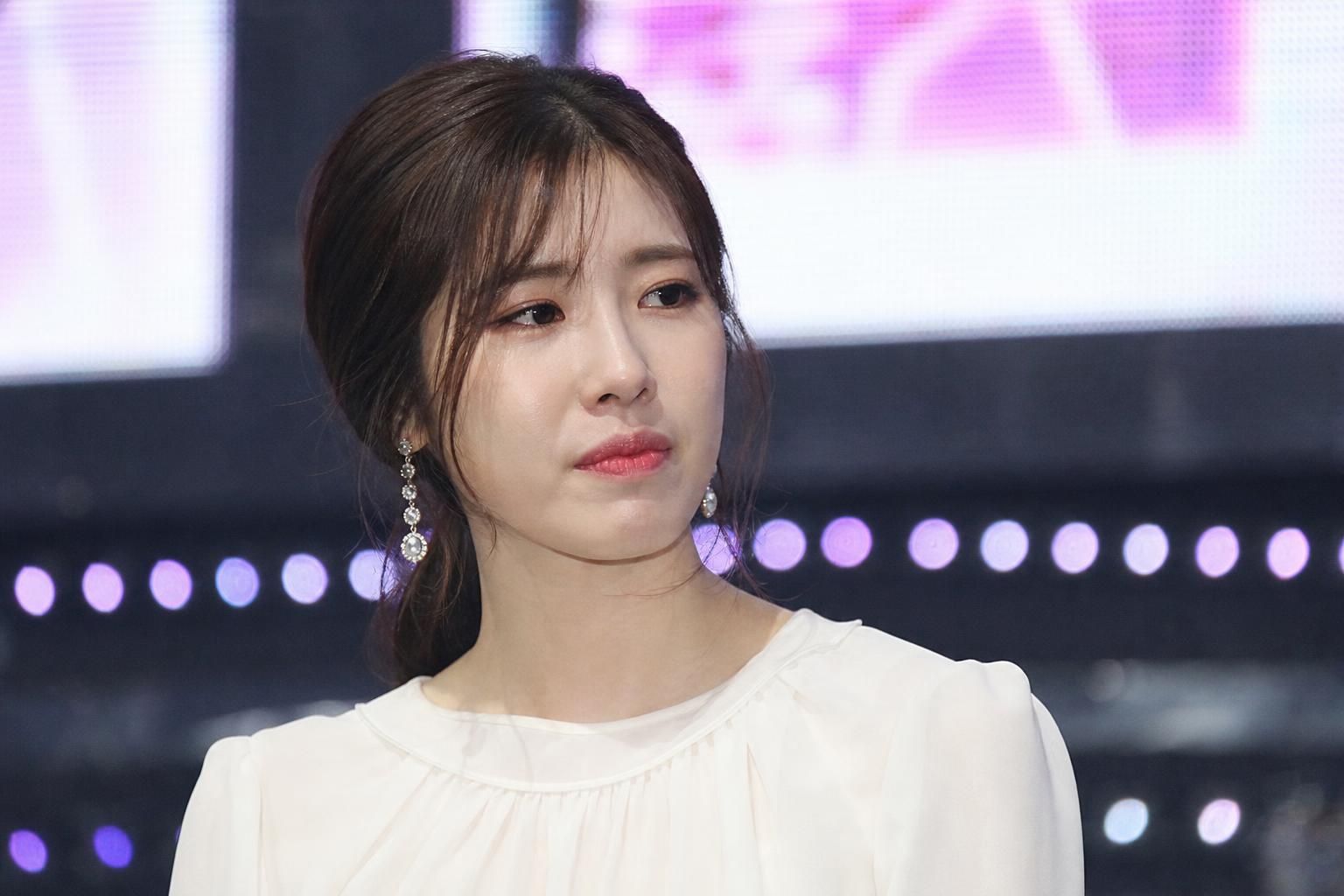
Health debates: Sullyoon explains why she performed while in pain
While Hyosung’s comments focus on labor conditions, Sullyoon’s situation highlights another recurring flashpoint: when idols become visibly unwell, the public often debates whether they should push through or take a break.
After Sullyoon drew attention for appearing on stage amid severe back pain, she posted an explanation through the platform Bubble. She said that both her company and a hospital recommended she rest, but that she still wanted to participate in at least part of the performance. In her account, she also said she agreed to sit down if the pain became too intense.
Sullyoon further clarified that her decision was not simply based on “sitting hurts less.” She said she was concerned that pushing herself too hard could impact the remainder of the tour. In other words, her attempt to balance recovery with responsibilities was framed as an effort to minimize downstream harm, not to ignore medical guidance.
Still, the reaction was divided. Many fans argued that criticism was misplaced, saying it is unreasonable—or even cruel—to target someone who is already injured. Others echoed concerns about long-term consequences, particularly for younger performers who may “suffer when they’re older” if they overextend themselves.
Two pressures, one question: who absorbs the cost?
Taken together, the Hyosung and Sullyoon stories point to a shared theme: when entertainment schedules, corporate decisions, and public expectations collide with human limits, it’s the artists who often absorb the cost—whether that cost is financial or physical.
In Hyosung’s case, the allegation is stark: extended unpaid work after years of effort. In Sullyoon’s case, the concern centers on whether medical advice is being truly prioritized—or whether idols feel compelled to appear regardless of pain, only to then face online judgment when they do.
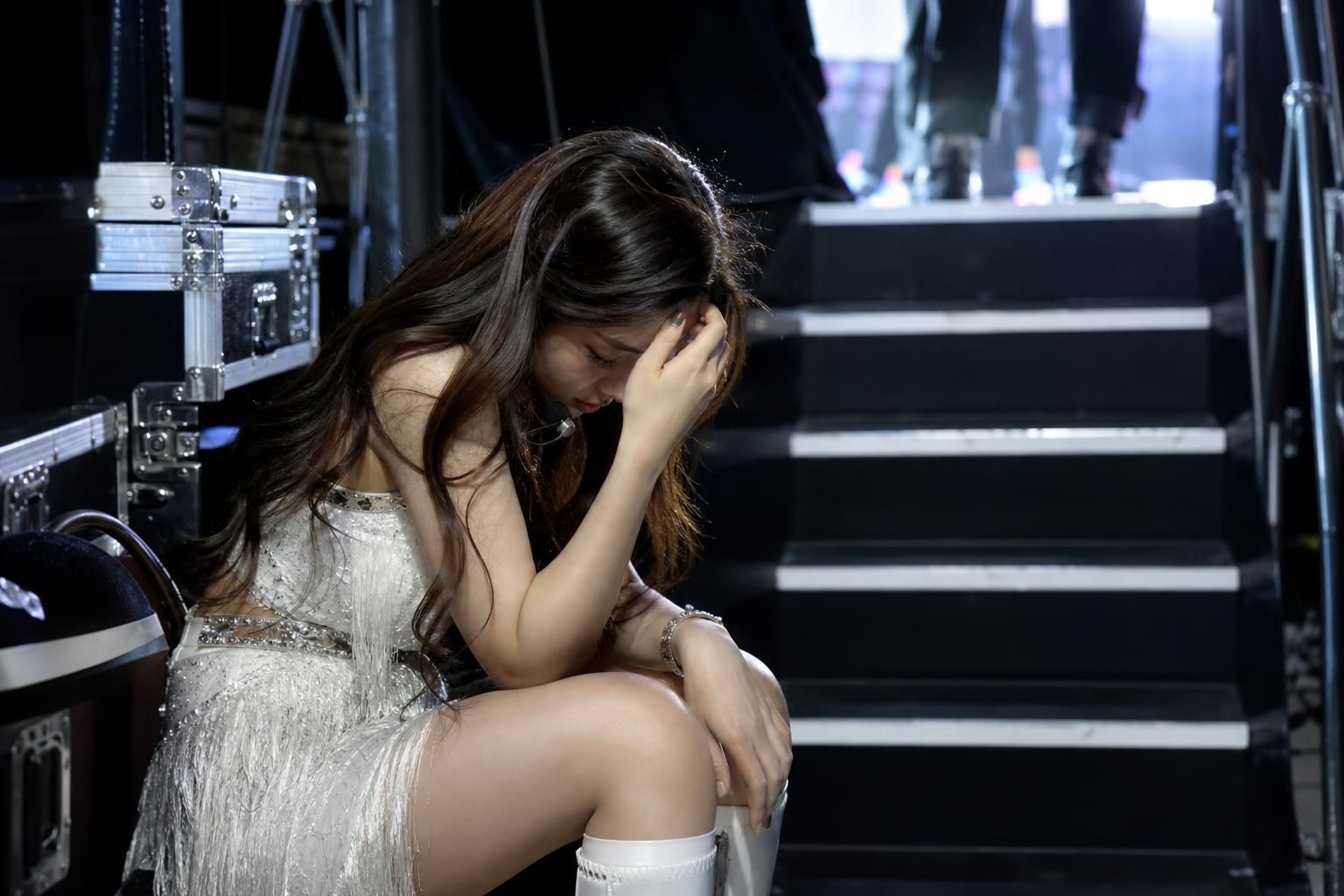
Neither story fully resolves the broader structural issues, but both show how public conversation is increasingly moving beyond surface-level entertainment. Instead, fans are asking practical questions: Are performers’ working conditions regulated and enforced? Are health protocols taken seriously and communicated clearly? And when something goes wrong, are companies and audiences sharing responsibility—or placing it entirely on the individual idol?
What the industry might face next
Hyosung is currently back on the K-pop scene with SECRET, alongside members Jung Hana and a newer line-up that includes Yebin. The group is set to release a special mini-album, Secret Flavor, on June 18—meaning her comments could continue to attract attention even as promotional activities resume.
For Sullyoon, the immediate focus is likely to remain on recovery. But the wider conversation may intensify as audiences watch whether her future scheduling reflects the urgency that fans are calling for—namely, that idols should rest and receive treatment rather than “endure pain” for the sake of a stage.
As these stories circulate, observers will likely watch for two outcomes: whether public pressure leads to more transparent standards around artist compensation and health-and-safety decision-making, and whether platforms, labels, and media outlets treat such claims as matters of accountability rather than isolated personal circumstances.
For now, the messages from both Hyosung and Sullyoon are converging on the same uncomfortable reality: behind K-pop’s highly controlled presentation lies a workforce navigating long-term consequences—financially, physically, and emotionally.
Join the Conversation
Log in to share your thoughts and join the conversation with other fans.
This has such a bright feeling around it. It is nice seeing fans get something to be excited about ✨