
Red Velvet Teaser Sparks Debate After Fans Spot Gemini-Like Logo

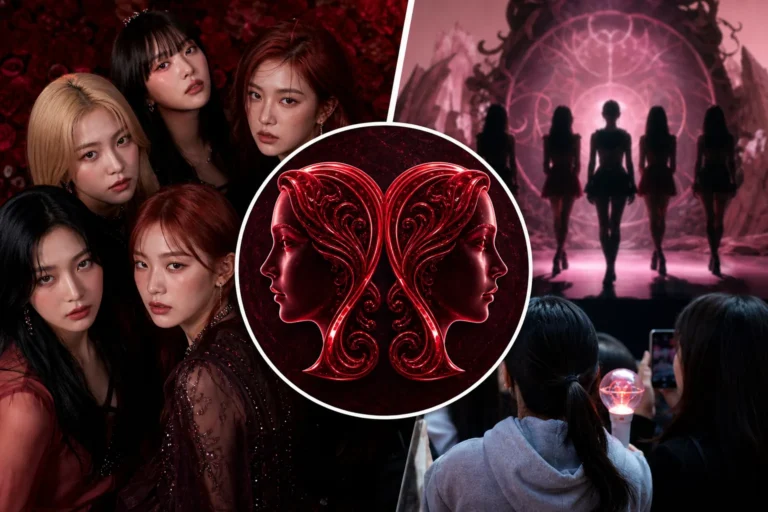
Red Velvet’s upcoming comeback has become the subject of an unexpected online debate after fans said they noticed a mark resembling Google’s Gemini logo in one of the group’s teaser images. The detail, highlighted in screenshots that circulated across social media, led to speculation that generative AI may have been involved in producing or assembling the promotional artwork.
The discussion began after viewers zoomed in on a tile-like section of the teaser and pointed out what appeared to be a small Gemini-style symbol. The image was part of official comeback promotion for the SM Entertainment group, making the detail especially sensitive for fans who expect high production standards from one of K-pop’s most established agencies.
According to the source report, the original teaser image was later removed and replaced with another version that no longer showed the disputed mark. As of the report, neither SM Entertainment nor the creative team behind the teaser had publicly explained whether AI tools were used, whether the mark was accidental, or whether the replacement was made simply to quiet speculation.
Why A Small Detail Became A Larger Argument
The reaction was not only about one logo-like shape. For many fans, the moment tapped into a broader concern about the use of generative AI in music promotion, album packaging, concept photos, and visual storytelling. K-pop campaigns often depend on elaborate design language, and fans closely analyze every teaser for clues about a group’s concept, sound, and creative direction.
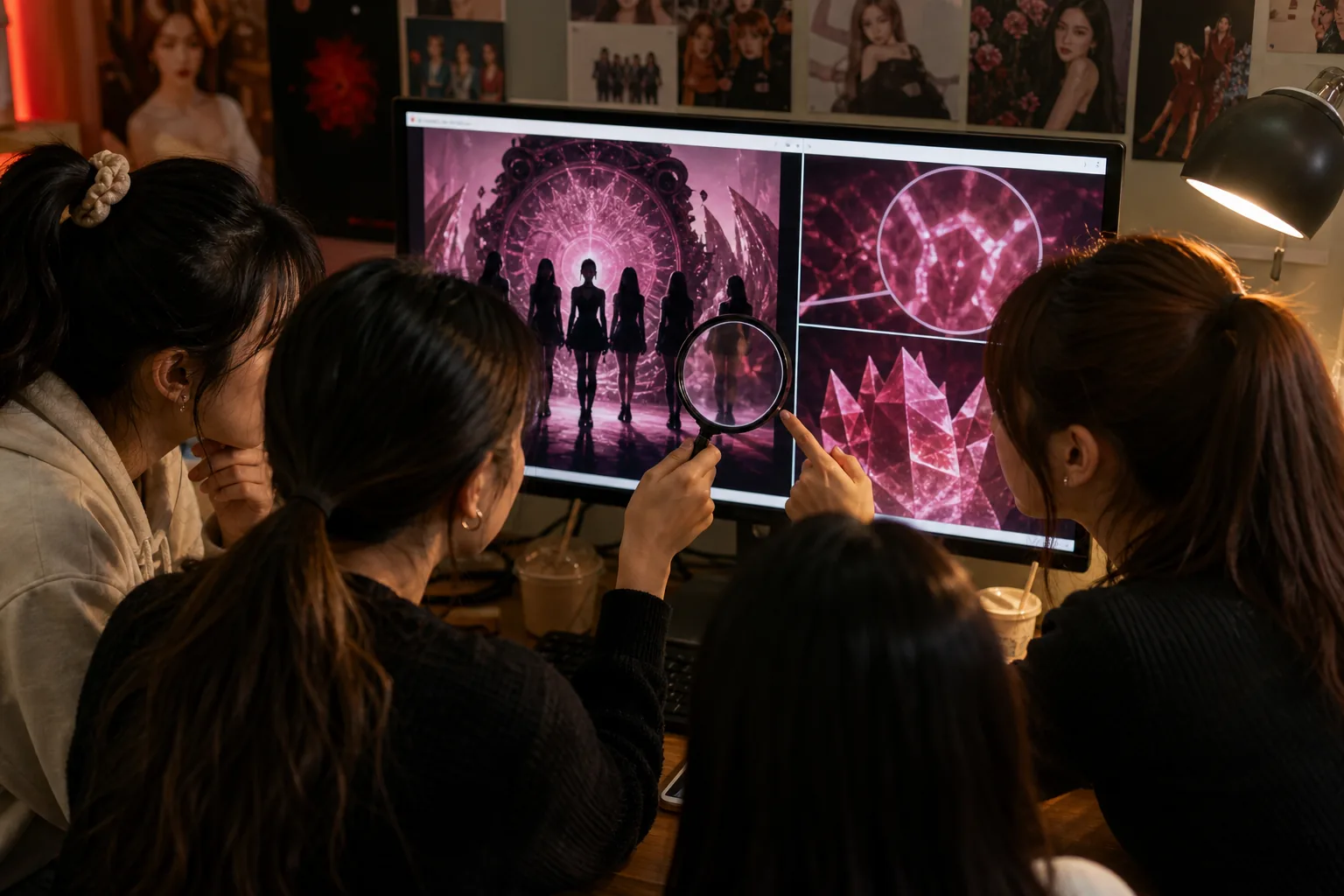
That scrutiny can turn a minor visual element into a larger industry conversation. If a teaser appears to contain an artifact associated with an AI platform, fans may read it as evidence that a company relied on automated image generation instead of commissioning original work from photographers, designers, illustrators, or retouchers. Even when that conclusion is not proven, the suspicion can be enough to shift the conversation away from the comeback itself.
Some fans criticized the possibility of AI use because Red Velvet’s brand has long been linked with carefully built concepts and distinctive visual identities. The group has moved across bright pop imagery, eerie storybook references, polished R&B styling, and surreal album art over the course of its career. Against that history, even an alleged AI-related mistake can feel jarring to listeners who value the handmade or carefully directed quality of the group’s visual world.
The Evidence Remains Limited
At the same time, the presence of a Gemini-like symbol does not prove that the entire teaser was generated by AI. It could point to an editing mishap, a source-image issue, a design-layer artifact, or another production error. Without a statement from SM Entertainment or the people who produced the artwork, the public record remains limited to the visible image change and fan-led analysis.
That distinction matters. K-pop fandoms are fast-moving, and visual theories can spread before companies offer clarification. The replacement of the teaser image may look like an acknowledgement to some observers, but it is not the same as a formal confirmation. For now, the most accurate reading is that the image prompted criticism, was revised, and remains unexplained by the agency.
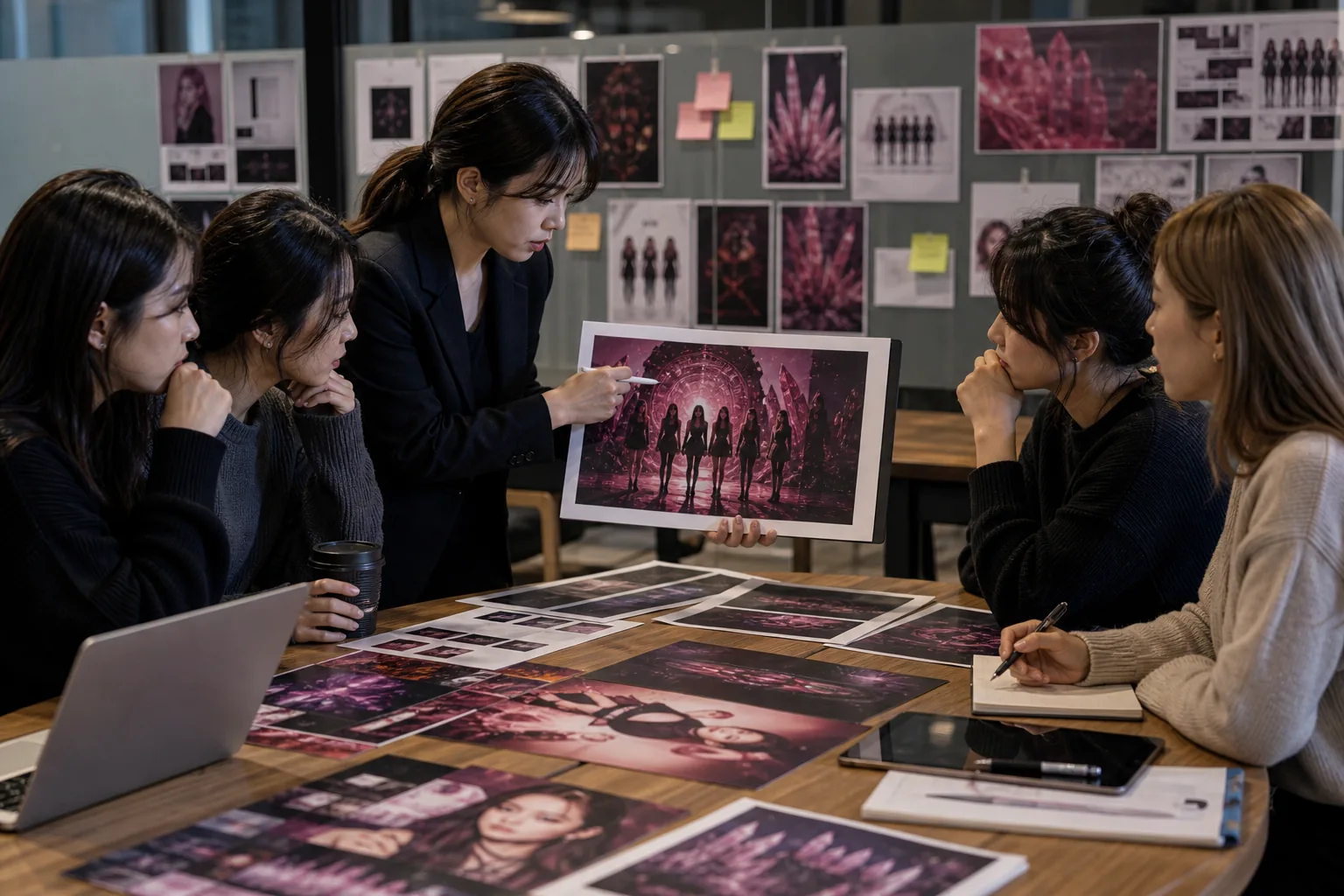
The incident also shows why entertainment companies may face more pressure to be transparent about AI use. As generative tools become common in commercial design, fans are drawing lines between acceptable production assistance and work they see as replacing human artists. Those lines are not always consistent, but they are becoming part of how audiences judge promotional materials.
What It Means For Red Velvet’s Comeback
For Red Velvet, the debate arrives during a period when comeback attention is especially valuable. Teasers are meant to build excitement and focus discussion on music, styling, and concept clues. Instead, the conversation around this image briefly centered on process, authorship, and whether a major agency should disclose how promotional visuals are made.
The controversy does not necessarily predict how fans will respond to the comeback’s music or performances. Red Velvet’s audience has weathered many promotional cycles, and online criticism around teaser materials can fade quickly once official tracks, music videos, and stage content arrive. Still, the episode is a reminder that fans now inspect visual campaigns with the same intensity they bring to lyrics, choreography, and chart performance.
For agencies, the practical lesson is clear: promotional images are no longer viewed as disposable marketing assets. They are part of the artistic record, and audiences expect them to meet the same level of care as the music rollout. Whether this particular teaser involved AI or not, the reaction shows that unclear visual sourcing can become a reputational issue within hours.
Until SM Entertainment provides more context, the Red Velvet teaser will remain a case study in how quickly a small design detail can reshape a comeback conversation. The group itself remains at the center of fan anticipation, but the surrounding debate reflects a changing standard for transparency in K-pop’s creative machinery.


Join the Conversation
Log in to share your thoughts and join the conversation with other fans.