
Kim Se Ui Faces Trial Over Alleged Threats Against Actor Kim Soo Hyun

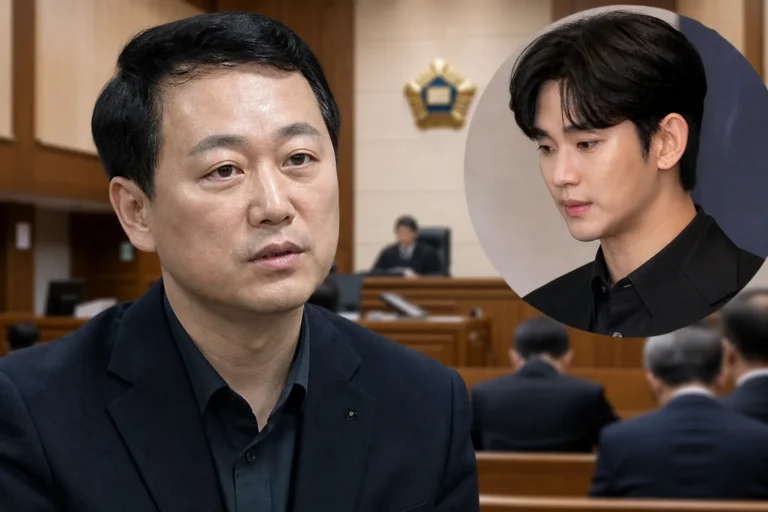
South Korean prosecutors have moved a high-profile online defamation case into the courtroom, indicting Kim Se Ui, the head of the YouTube-based Garo Sero Research Institute, over allegations connected to actor Kim Soo Hyun. According to reports from MBC, Yonhap News Agency, and The Kyunghyang Shinmun, the charges include defamation under the Information and Communications Network Act, violation of the Stalking Punishment Act, attempted coercion, and intimidation.
The case centers on a series of YouTube broadcasts in which prosecutors allege Kim Se Ui spread false claims about Kim Soo Hyun and used private material as leverage. The indictment, reportedly obtained by Rep. Park Eun Jeong’s office, says Kim Se Ui was taken into custody and indicted on June 23, with a first trial hearing scheduled for August 14.
What Prosecutors Say Happened
Prosecutors allege that during a live YouTube broadcast last March, Kim Se Ui referred to Kim Soo Hyun while suggesting the matter went beyond an ordinary career controversy. The indictment says he compared the alleged material to the Nth Room case and implied that damaging information could be released when a drama involving the actor became public. Reports also say he discussed potential damages claims against Kim Soo Hyun in the hundreds of billions of won.
The indictment further alleges that Kim Se Ui disclosed an image exposing part of Kim Soo Hyun’s body and acted as though additional private images could be made public unless the actor issued a public apology. Prosecutors are treating that conduct as part of an attempted coercion allegation. The case is therefore not only about whether statements were true or false, but also about whether online publication was used to pressure a public figure.
Kim Se Ui is also accused of repeatedly airing claims about Kim Soo Hyun’s private life. According to Yonhap, prosecutors allege that he spread false information 25 times through YouTube, including claims that Kim Soo Hyun had dated the late actor Kim Sae Ron when she was a minor and that pressure from Kim Soo Hyun’s side over debt repayment was directly tied to her death. Prosecutors reportedly said the broadcasts relied on one-sided claims and materials they considered fabricated or insufficiently verified.
Stalking Allegations Add Another Layer
Beyond defamation and coercion, prosecutors applied stalking-related charges to a series of broadcasts from March to April last year. The indictment reportedly says Kim Se Ui mentioned Kim Soo Hyun by name, used his image, and continued producing content about the actor’s private life across 23 broadcasts. The use of the Stalking Punishment Act makes the case broader than a conventional celebrity libel dispute.
Reports say a court had previously issued provisional measures, including a ban on approaching within 100 meters, in connection with the alleged stalking conduct. Prosecutors allege that Kim Se Ui violated those provisional measures by continuing to stream on YouTube. That allegation could become an important part of the trial because it concerns whether a court order was ignored after legal boundaries had already been set.
The dispute has drawn attention because it sits at the intersection of Korean entertainment, online commentary, and criminal law. Celebrity allegations often move quickly across social platforms, but this indictment suggests prosecutors are drawing a sharper line when online claims involve private images, repeated broadcasts, and alleged pressure tactics. For actors and agencies, the case may become a reference point in how aggressively legal teams respond to digital rumor campaigns.
Why The Case Matters For Entertainment Media
Kim Soo Hyun remains one of Korea’s most internationally recognized actors, and allegations around his personal life have already carried professional consequences across advertising, drama production, and public perception. The current case does not resolve every civil or reputational issue connected to the broader controversy, but it places specific conduct by Kim Se Ui before a criminal court. The trial will determine whether prosecutors can prove the allegations listed in the indictment.
The case also highlights a recurring tension in entertainment coverage: public interest does not automatically justify exposing private material or publishing unverified claims. When online creators build audiences around sensational allegations, the legal risk can rise quickly, especially if prosecutors believe the content crosses into threats, coercion, stalking, or knowing defamation.
For now, the key date is August 14, when Kim Se Ui is scheduled to appear for his first hearing. Until then, the indictment has reframed the story from a public online battle into a formal legal test of how South Korea’s courts handle alleged celebrity defamation and intimidation in the platform era.



Join the Conversation
Log in to share your thoughts and join the conversation with other fans.