


A recent court outcome involving a stalker who targeted a BTS member is putting renewed attention on a problem Korean entertainment has struggled to contain: the easy spread of private information and the way obsessive attention can escalate into real-world danger.
According to reports citing BigHit Music’s second-quarter legal update, a defendant accused of entering a BTS member’s residence area and repeatedly engaging in stalking behavior was sentenced to one year in prison, suspended for two years. The agency said the person had been tried while detained and that the court recognized the seriousness of the conduct.
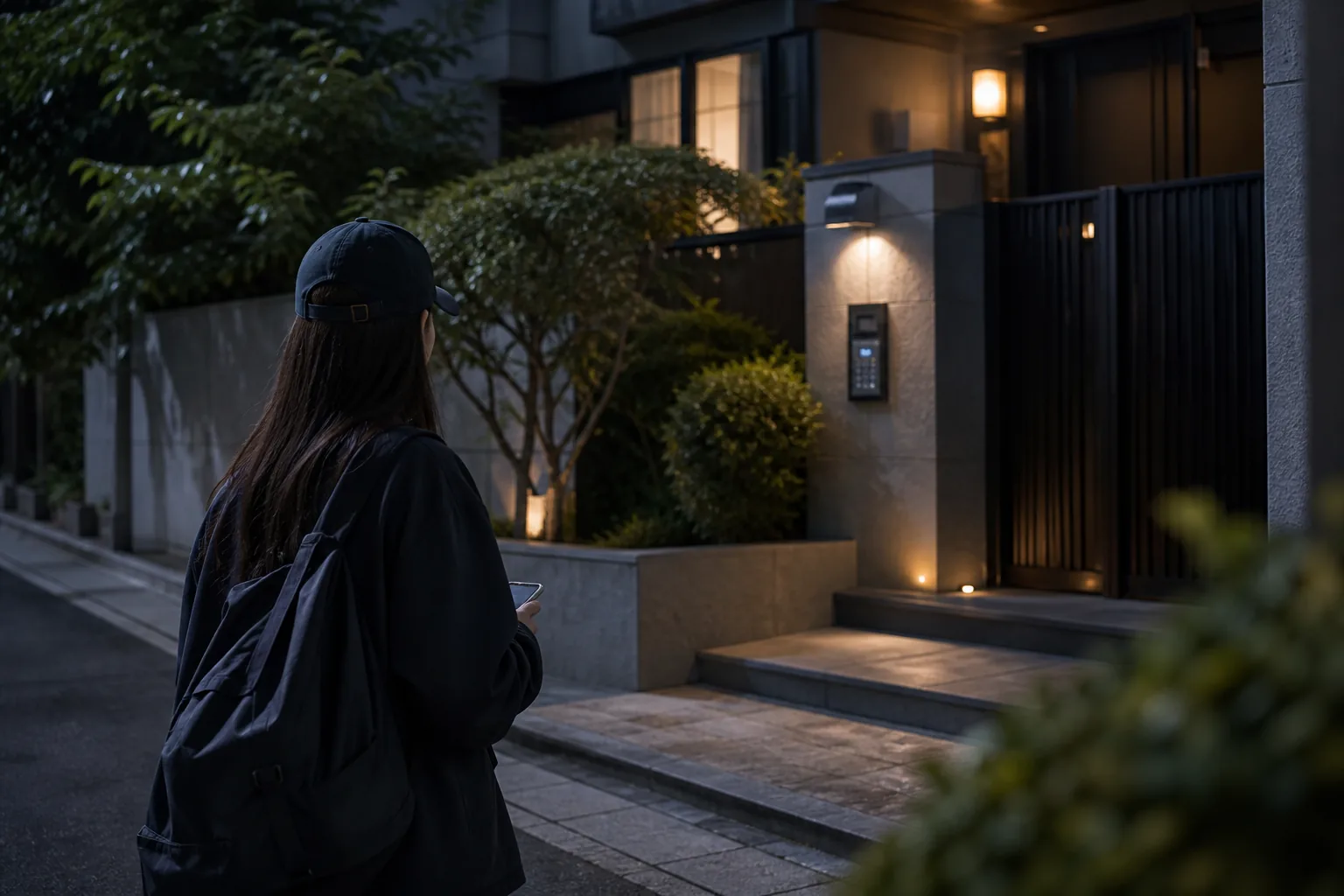
The case has drawn particular attention because it sits at the intersection of K-pop fandom, privacy, and criminal law. MoneyToday reported that a Brazilian woman had repeatedly visited Jungkook’s residence in Seoul’s Yongsan district, including acts such as pressing the doorbell and leaving items near the home. The report said police had issued an emergency measure barring the woman from approaching within 100 meters, but the conduct continued.
MoneyToday also reported that the woman allegedly waited near a side entrance and entered when a food delivery worker came out. The same report noted other recent incidents involving Jungkook’s home, including a woman arrested after entering a parking area and another person apprehended after repeatedly trying a front-door passcode. Jungkook has previously used fan communication channels to ask people not to wait near his home and warned that excessive behavior would be met firmly.
Privacy Is Becoming a Safety Issue
The latest coverage goes beyond one artist. MoneyToday’s report connected the BTS case to other stalking-related incidents involving public figures, including actor Kim Gyu Ri, broadcaster Seo Dong Joo, and athlete Kim Min Ji. In Kim Min Ji’s case, the article described concern over a real-estate listing that allegedly promoted a residence by linking it to her name, effectively narrowing down her living area without consent.
That detail matters because celebrity privacy breaches often begin before a crime is visible. A location hint on a property platform, a video that reveals a street, or a casual online claim about where someone lives can become a map for people who already feel entitled to access. For artists whose daily movements are watched by large audiences, the boundary between publicity and personal safety can become dangerously thin.
South Korea has strengthened its anti-stalking framework in recent years. The Stalking Punishment Act took effect in 2021, and later revisions removed the requirement that prosecution depend on a victim’s stated wish for punishment. The law also expanded attention to tracking through apps or GPS tools. Even with that shift, MoneyToday cited police data showing stalking reports rising from 14,509 cases in 2021 to 44,684 last year, more than tripling in roughly four years.
BigHit Music Signals Zero Tolerance
BigHit Music’s latest notice, as reported by Maeil Business Newspaper and Viva100, framed the BTS case as part of a broader legal response. The agency said acts such as waiting around an artist’s residence, loitering nearby, or leaving unsolicited gifts are not fan devotion but conduct that can amount to stalking. It also warned that foreign nationals criminally punished for stalking or residential trespass may face deportation or entry restrictions.

The agency also addressed online harm. Reports said BigHit Music continues to collect evidence against malicious posts across Korean communities, music platforms, global social media services, and messaging channels. Some people who repeatedly spread false claims were reportedly given prosecution suspensions with required education, while the company said deleted posts and anonymous accounts do not necessarily erase liability because evidence is preserved in real time.
For K-pop agencies, this reflects a changing protection model. Earlier fan-management systems often focused on event rules, airport behavior, and statement-based warnings. The current approach is more legal and data-driven: preserve posts, file complaints, coordinate with police, and define residential approaches as a safety threat rather than a fan-service issue.
The challenge is that public figures are still expected to remain accessible. K-pop relies on fan platforms, livestreams, behind-the-scenes content, and emotionally close communication. That intimacy is part of the industry’s global appeal, but it can also encourage a small number of people to mistake visibility for personal access. Clearer consequences may help reset that expectation.
Entertainment companies, platforms, and local businesses all have roles to play. Agencies can pursue legal action and educate fans. Platforms can respond faster to posts that reveal private addresses. Real-estate brokers, venue staff, and delivery services can treat celebrity residence information as sensitive. Fans, meanwhile, can help by refusing to circulate location clues, even when they appear in public comment sections or short videos.
The BTS case is therefore less about one punishment than about the standard it reinforces. A home is not part of a promotional schedule, and private movement is not fan content. As Korean entertainment becomes more global, the industry is being pushed to protect artists not only on stage, but also in the ordinary spaces where they are supposed to be off duty.



Join the Conversation
Log in to share your thoughts and join the conversation with other fans.