

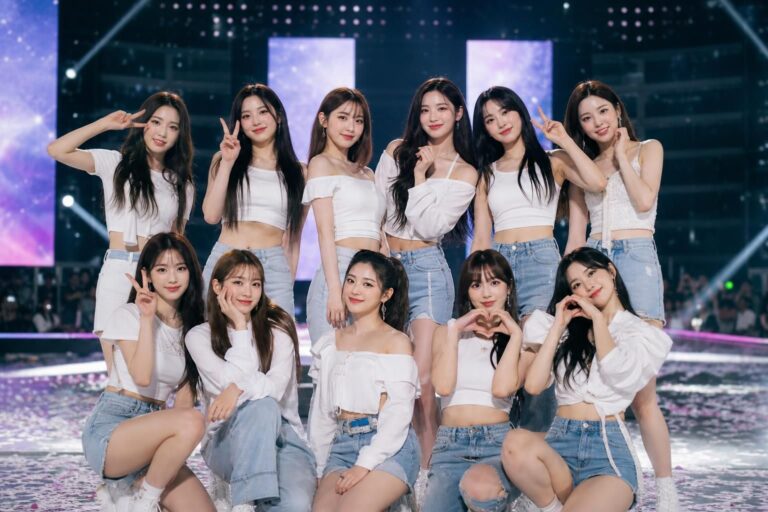
After nearly a decade, I.O.I is officially reuniting. The group’s long-awaited comeback—reported as a reunion after 9 years—has quickly reignited interest in the era when second-generation K-pop fandoms were coalescing into global mainstream audiences, according to Korean-language coverage circulated via local news feeds over the past day.
A Reunion That Signals a Larger “Nostalgia Economy”
I.O.I’s return arrives as multiple earlier K-pop lineups have resurfaced in recent months and years, prompting a broader discussion among fans and industry observers: is this a genuine artistic revival—or a strategic market reset built on the spending power of older fandoms?
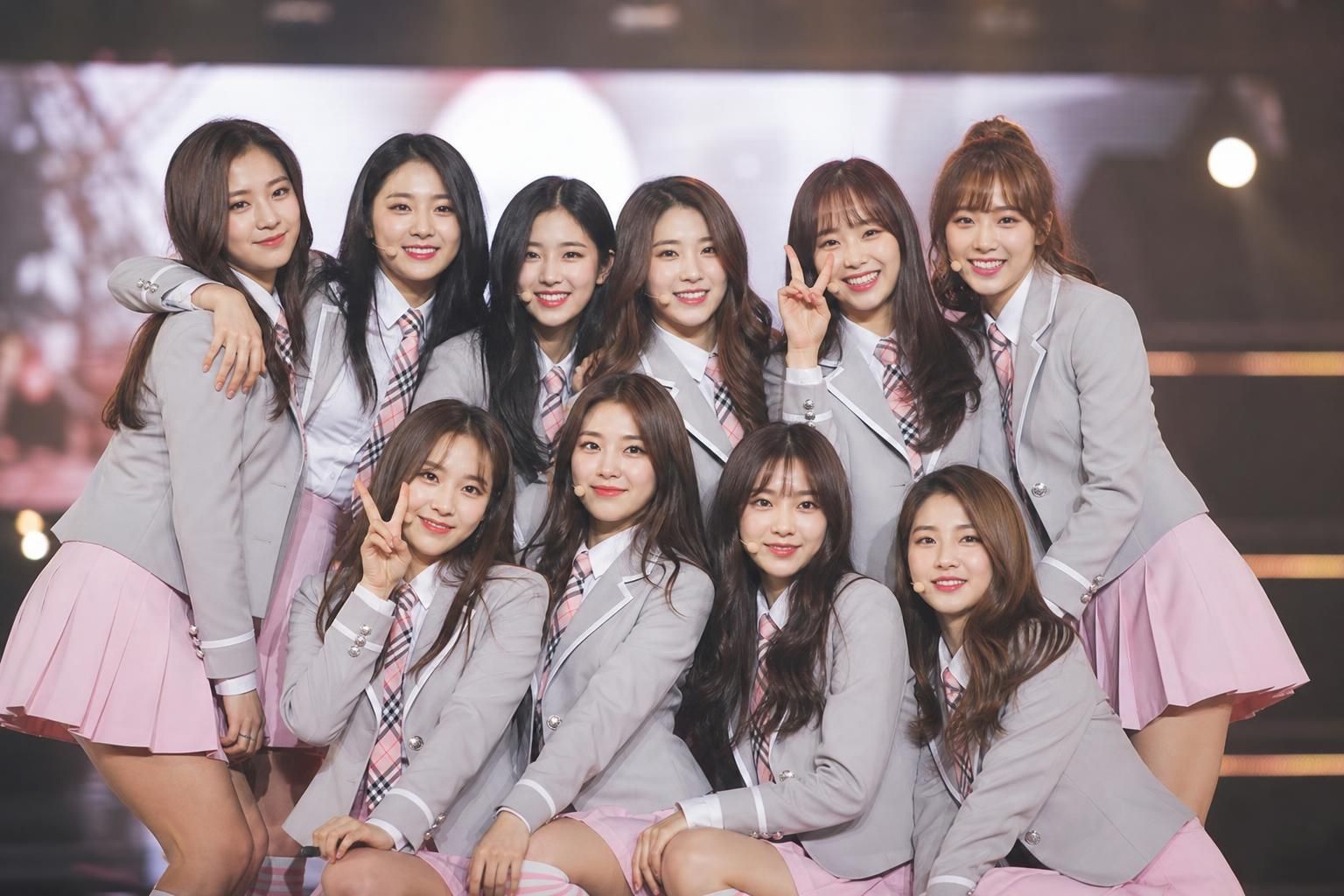
One theme in the commentary around I.O.I’s reunion is the “Back to 2010” effect: a reference point many fans treat as a high-water mark for the genre’s early digital momentum. For those who followed the group’s debut during the height of survival-show-era hype, the reunion functions less like a typical comeback and more like a cultural checkpoint—an opportunity to revisit a shared fandom origin story.
What Fans Are Likely to Expect
While the digest items do not include full operational details—such as specific release dates, promotional formats, or whether the reunion is limited to special appearances—reunion announcements in K-pop typically trigger an immediate cycle of speculation and confirmation: possible new music, live performances, and fan events tend to follow once logistics are cleared.
Historically, reunions from groups formed through large-scale televised projects carry a built-in emotional appeal. They also create a rare viewing dynamic for both older fans returning to the scene and newer audiences discovering the act through clips, streaming archives, and “then vs. now” comparison posts. In that sense, I.O.I’s reunion can be expected to perform well not only in fandom circles, but also in broader social-media discovery, where short-form content has become a major pathway into older artists’ catalogs.
The Broader Industry Context: Reunions as Momentum
I.O.I’s reunion is also part of a recognizable industry pattern: labels and managers increasingly treat legacy acts as a stable revenue engine. Compared with fully new projects, reunions reduce marketing uncertainty because the audience already exists—often with long-established accounts, repeated engagement habits, and a proven willingness to purchase merchandise, tickets, and streaming bundles.
At the same time, reunions come with risks. Fans typically expect faithful performances that reflect the group’s original identity, while members’ personal schedules and career paths can complicate coordination. That tension—between honoring the past and delivering something meaningfully current—is a recurring challenge for K-pop comebacks based on legacy lineups.
Why This Story Matters Now
More than a single group’s announcement, I.O.I’s reunion highlights how K-pop’s global ecosystem has matured. The genre’s international visibility today means reunions are no longer confined to domestic markets; they quickly become trending topics across languages, time zones, and fandom platforms. The result is a high-intensity news cycle around group activity, even when details remain sparse.
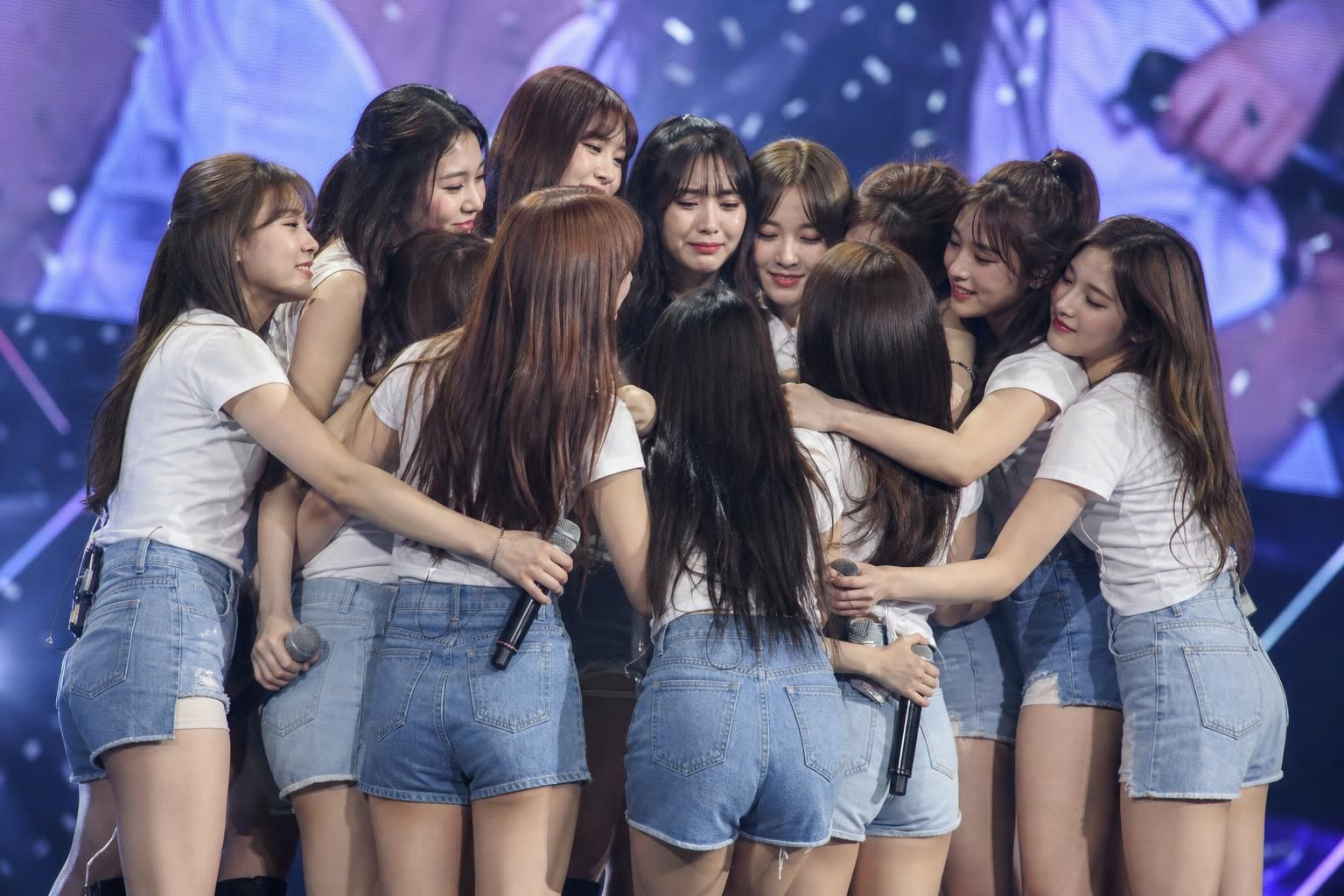
For fans, the significance is straightforward: a reunion after nine years is a rare chance to see an era come full circle. For the industry, it’s a test case for the sustainability of nostalgia-driven programming—and a reminder that audience memory can be as commercially powerful as new hits.
What to Watch Next
In the coming days, the key questions will be clarified through official statements: whether I.O.I will release new music, the scope of any performances, and how member participation will be managed. Fans will also watch for the group’s visual direction—whether promotions lean toward the original aesthetic or reinterpret it with updated branding.
Finally, expect the reunion to influence other legacy discussions across the K-pop landscape. If I.O.I’s return performs strongly—measured in streaming activity, ticketing momentum, and social engagement—it could further solidify reunions as a central strategy rather than a one-off trend.
Join the Conversation
Log in to share your thoughts and join the conversation with other fans.