
KATSEYE’s Manon Faces Online Backlash Over Resurfaced Posts And Korea Highlight Image


KATSEYE member Manon has become the subject of a new online controversy after social media users resurfaced older material and accused the singer of cultural insensitivity toward Asians. The discussion spread among Korean netizens on July 16 after Manon’s participation in an upcoming KATSEYE project drew renewed attention to past comments and images connected to her social media presence.
The claims center on two separate issues that are now being discussed together. One involves a past clip in which Manon appeared to describe mistaking someone at the HYBE building for BTS member J-Hope. Critics argued that the anecdote played into a stereotype that East Asian people are interchangeable. The other issue involves the cover image for an Instagram highlight labeled for Korea, which some users said appeared to show a Lao Buddhist festival rather than a Korea-specific artwork.
Because the debate is unfolding through reposted clips, screenshots, and translated commentary, the allegations remain part of an online dispute rather than a formal statement from Manon, KATSEYE, or their agencies. Still, the controversy has gained traction because it touches on a recurring concern in K-pop: how international artists working within Korean entertainment should approach cultural references, public language, and social media presentation.
Why The Instagram Highlight Became A Flashpoint
The Instagram highlight criticism focused on a travel-style cover image used for a section associated with Korea. Some Korean-language posts claimed that the artwork was connected to Laos rather than Korea, and argued that using it for a Korean highlight suggested a careless grouping of Asian cultures. The criticism was sharpened by the fact that KATSEYE operates within the HYBE ecosystem and promotes to a fanbase that includes many Korean and Asian fans.
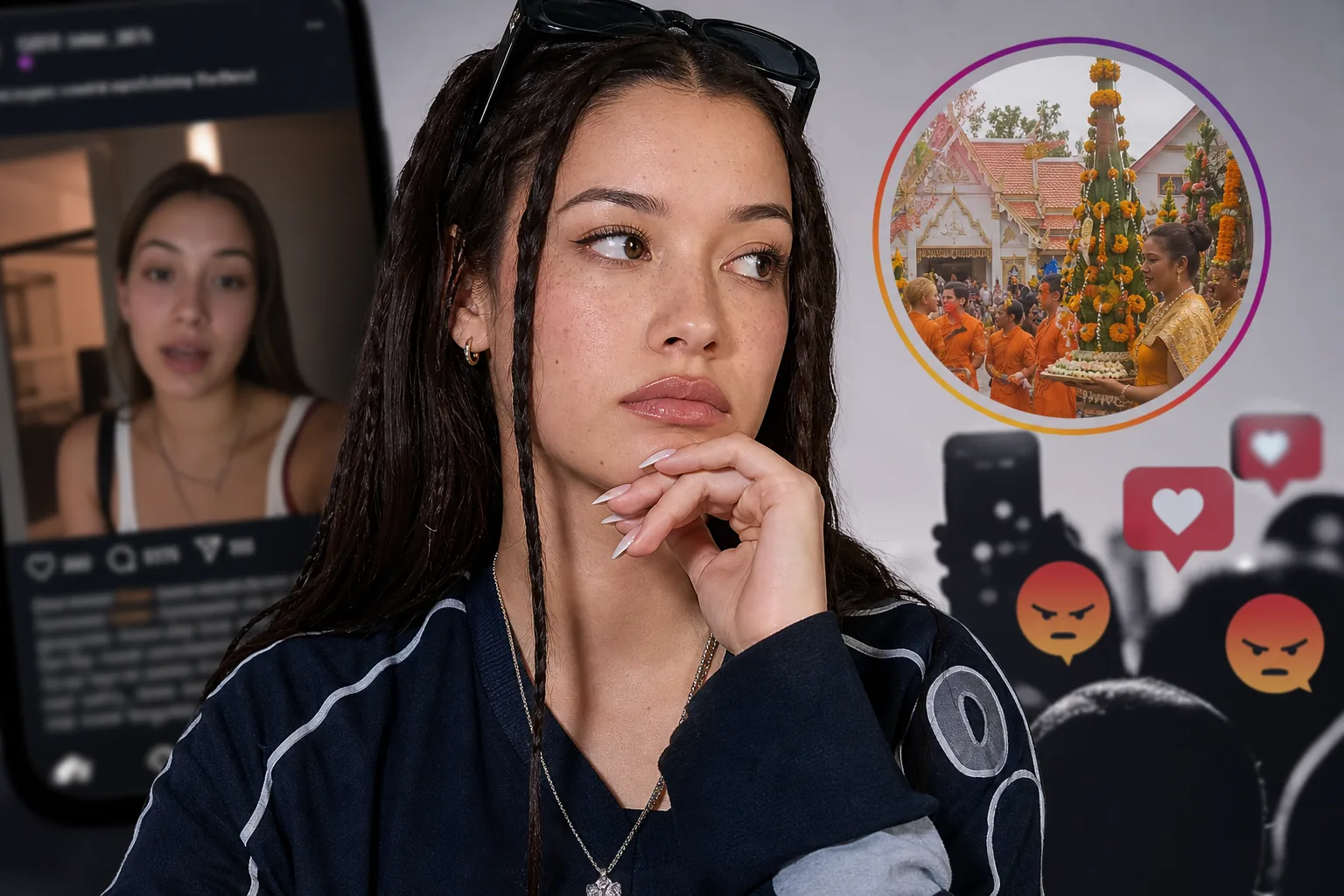
Several posts framed the issue as a matter of respect rather than simple design choice. For critics, the disputed image was not only a mistaken artwork selection but also an example of how Asian cultures can be flattened in global pop culture spaces. Some comments went further, linking the image to broader frustrations about foreign idols who benefit from Korean entertainment infrastructure while facing scrutiny over whether they fully understand the cultural environment they are working in.
Supporters pushed back by pointing out that the Instagram highlight covers did not appear to follow a strict rule of matching each country with an artist or subject from that country. According to fan defenses circulating online, other highlight covers also used artworks that did not directly correspond to the labeled location, including examples tied to Western artists or themes. On that reading, the Korea image may have been part of a general visual aesthetic rather than a deliberate statement about Korea or Asian identity.
Fans Debate Intent, Impact, And Context
The resurfaced J-Hope anecdote added another layer to the conversation. Critics interpreted the moment as insensitive because it involved misidentifying a famous Korean idol and later treating the incident lightly. Defenders argued that a mistaken identification, especially in an informal setting, does not automatically prove prejudice. The divide reflects a broader tension in fandom spaces: one side emphasizes the impact of repeated cultural mistakes, while the other warns against labeling a young artist’s awkward or poorly judged moments as racism without clearer evidence of intent.
Manon’s situation is also being viewed through the lens of KATSEYE’s recent activities. The group, created as a global girl group with links to HYBE and Geffen, has been under close observation from fans who follow both Western pop and K-pop industry standards. Any sign of internal controversy, hiatus-related speculation, or fan dissatisfaction can quickly amplify unrelated older material, turning scattered posts into a larger reputational issue.
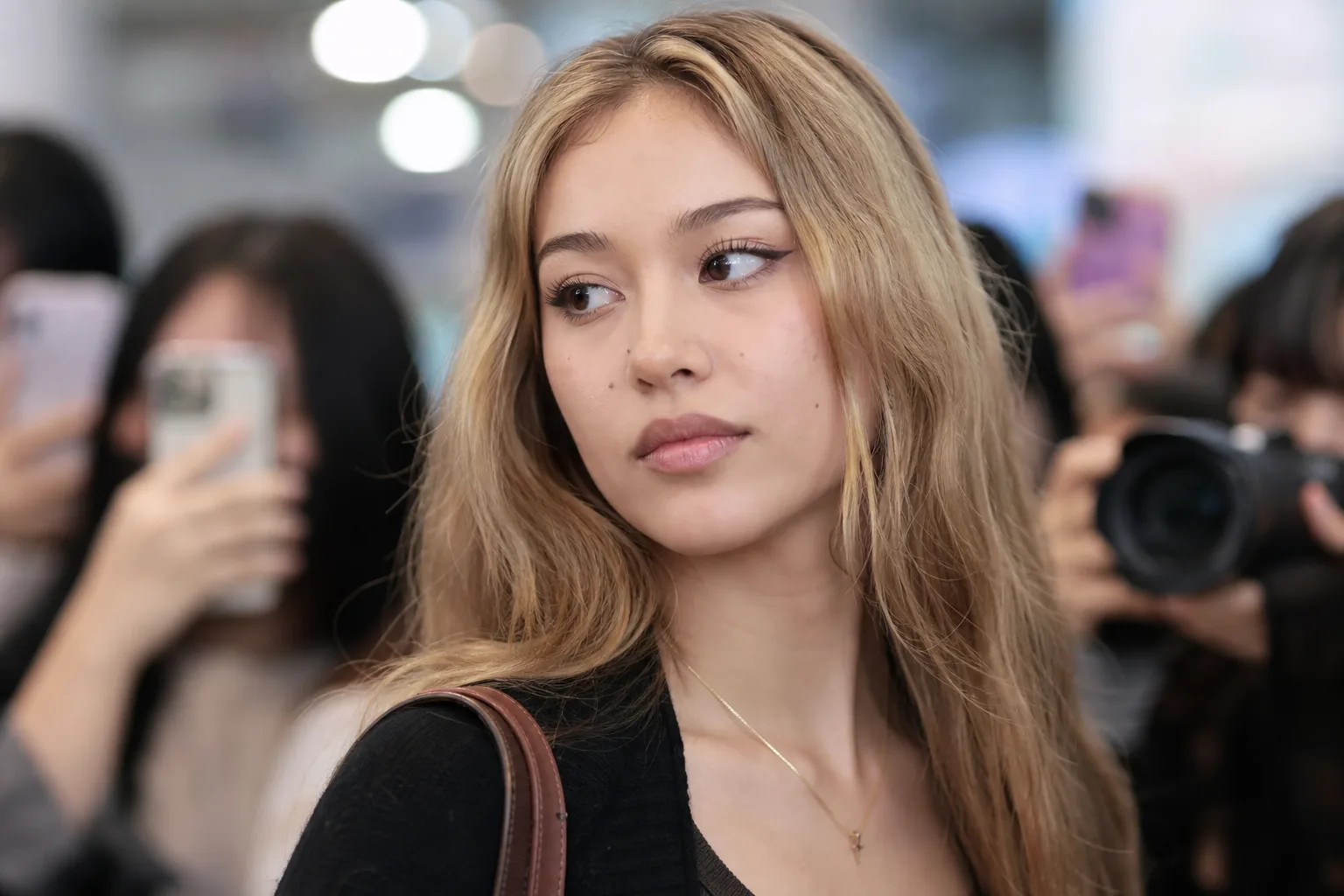
As of publication, there has been no public agency response cited in the available source material addressing the specific racism allegations or the Instagram highlight criticism. That leaves the discussion largely in the hands of fans, critics, and social media translators, where interpretations can shift quickly and context is often fragmented. In such cases, the factual center of the story is narrow: old material resurfaced, some users found it offensive, and others argued the evidence was being overstated.
The controversy illustrates the standards now applied to idols in internationally marketed K-pop projects. Global groups are expected to appeal across countries while also showing careful awareness of cultural distinctions, especially when they are connected to Korean companies and Korean promotional systems. Whether this episode fades as a social media dispute or prompts a clearer explanation from Manon or her team will depend on how widely the criticism continues to spread and whether fans see the existing context as sufficient.

Join the Conversation
Log in to share your thoughts and join the conversation with other fans.