
Court Hears ‘Rehabilitation’ Case for Korea’s Joongang Group, With Executives Promising to Re-Negotiate Sports Broadcasting Rights

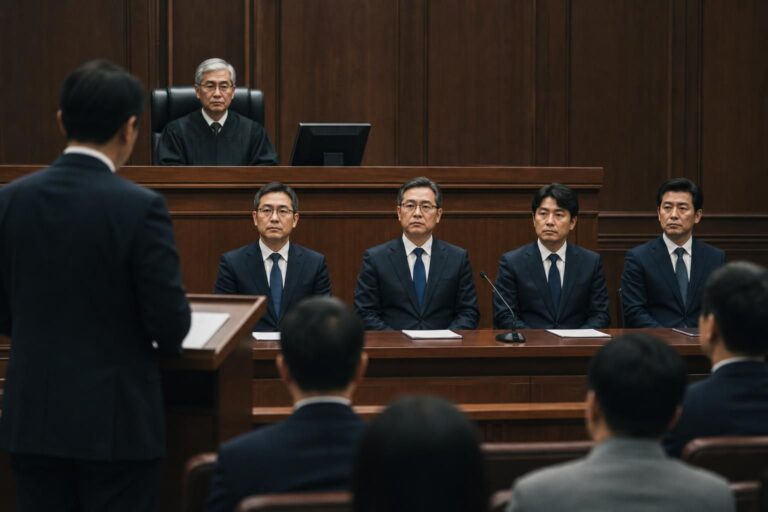
A Korean court has begun hearings related to the rehabilitation (회생신청) case of Joongang Group, as executives told the court they would work to reduce losses by seeking re-negotiations of broadcasting rights for major international sports events including the World Cup and the Olympics.
According to reporting compiled from Korean outlets, the court session involved questioning of the group’s representative, during which the executive reportedly expressed an apology (“죄송합니다”) amid the company’s financial restructuring efforts. The case is being closely watched not only by creditors and employees, but also by the broader sports media ecosystem tied to expensive and high-stakes international media rights deals.
Rehabilitation hearing centers on sports rights and restructuring plans
The hearing’s focal point, as described in the coverage, was how Joongang Group intends to manage the financial strain brought on by obligations connected to high-profile broadcasting agreements. Media rights for global competitions such as the World Cup and the Olympics typically carry significant costs and are exposed to market fluctuations—meaning that changes in revenue projections, ad spending cycles, or sponsorship demand can quickly translate into cash-flow stress.
During the interrogation, the representative reportedly stated a plan to re-negotiate broadcasting rights with counterparties, with the stated goal of minimizing losses. While the details of any alternative contract terms were not fully laid out in the digest, the intent suggests an approach centered on shifting risk and aligning payment schedules or scope to the company’s revised financial outlook.
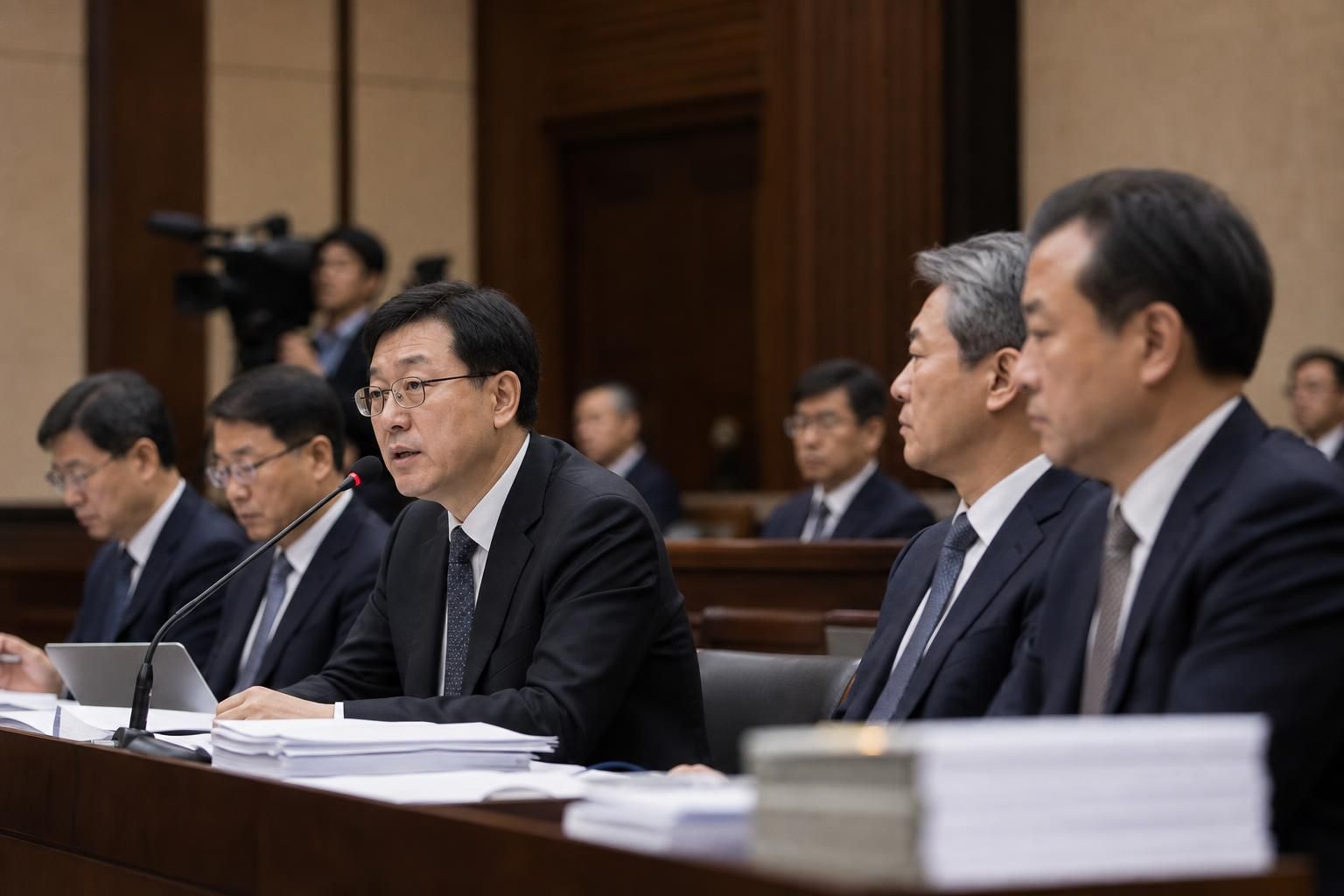
Multiple outlets describe the restructuring and mediation efforts
Coverage also indicates that the case has prompted involvement and statements from agents and representatives connected to other stakeholders, who emphasized that negotiations could help reduce damage tied to the broadcasting arrangements. At the same time, other reports in the digest point to wider operational and labor concerns that often accompany corporate rehabilitation proceedings in Korea—where cost-cutting measures and contract restructuring can expose wage and compliance issues.
One referenced report describes how media-related production and subcontracting arrangements have been scrutinized in the broader context of the group’s financial difficulties. The implication is that rehabilitation is not limited to contract math with broadcasters and rights holders; it can also reshape how work is commissioned, paid for, and accounted for across a supply chain that includes writers, production teams, and outsourced services.
Why the broadcasting-rights question matters
Sports broadcasting rights are among the most complex assets a media company can carry. Unlike content libraries that can generate value over time, live-event rights are tied to narrow windows and are governed by strict delivery obligations. If a company’s financial position weakens, counterparties may seek changes such as:
- revised payment timing or staged settlement,
- re-negotiated fees or reduced rights scope,
- performance-based adjustments tied to ratings or carriage, and
- renewed terms that limit exposure if profitability declines.
That is why Joongang Group’s decision to raise World Cup and Olympic re-negotiation during the court process is strategically significant. Rehabilitation courts typically require a credible, structured plan to restore solvency or at least stabilize cash flow. Broadcasting rights—especially for events with large audience demand—can be both an asset and a liability depending on the contract structure.
Apology and accountability signal court expectations
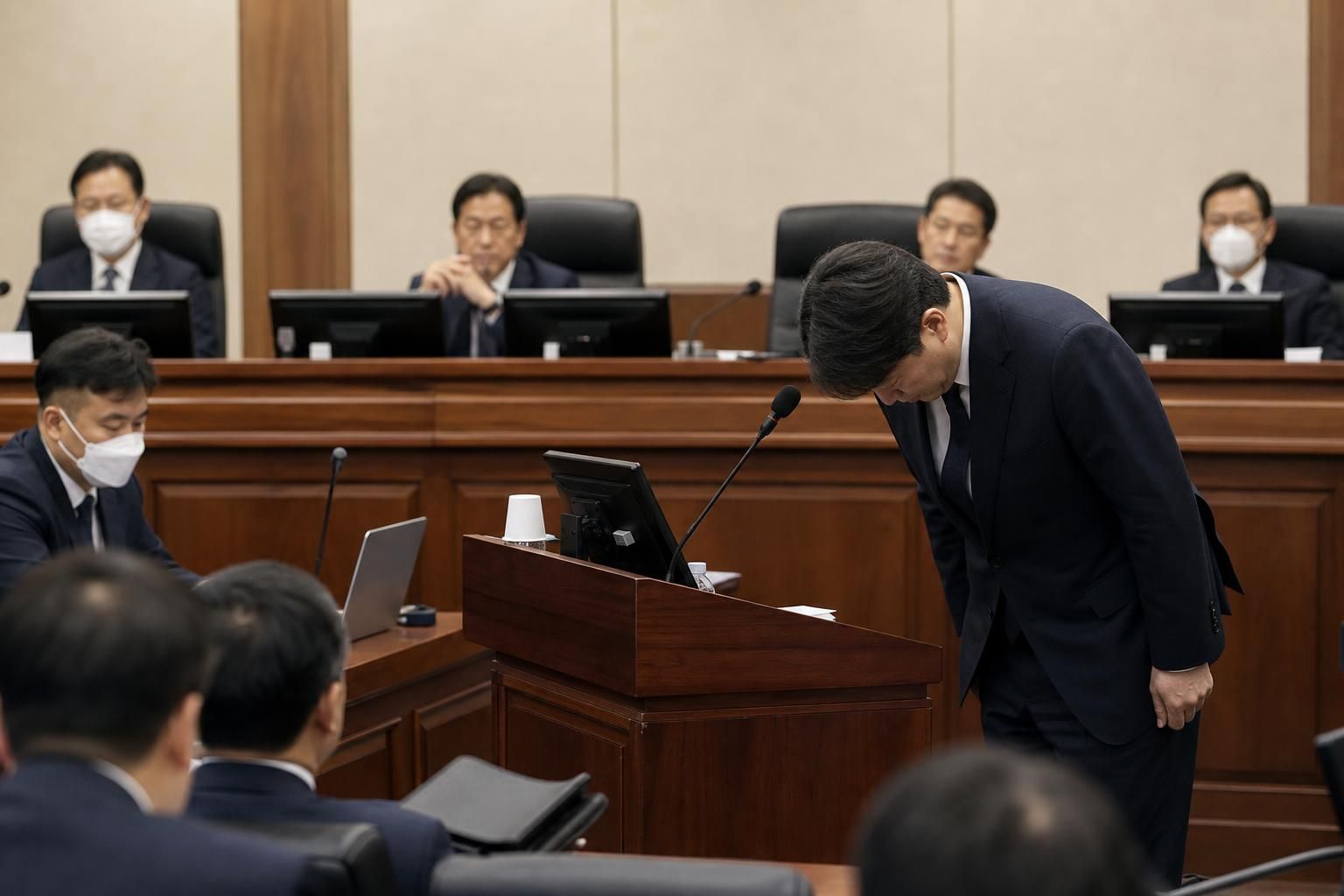
In the same reporting stream, the court interrogation included an apology from the executive (“죄송합니다”), a detail that reflects the atmosphere in rehabilitation proceedings: judges often push for clarity on why the company fell into distress and how management intends to prevent recurrence. While an apology alone does not change legal outcomes, it can serve as a signal of accountability before the court evaluates whether a plan is realistic and whether management can be trusted to implement it.
For creditors, employees, and business partners, the immediate question is whether proposed re-negotiations will lead to tangible financial relief—and whether such concessions can be secured without collapsing key revenue streams.
What happens next
The next stage will likely involve additional court questioning, documentation of the company’s restructuring plan, and creditor considerations. If Joongang Group can present credible negotiations—or at least show that counterparties are open to revised terms—the court may view the rehabilitation proposal as more feasible.
However, if re-negotiations stall or if the company’s liabilities prove harder to restructure than expected, outcomes could range from plan revisions to more severe remedial measures under Korean insolvency frameworks. In the meantime, stakeholders across sports media—including those involved in production and distribution—will be watching closely for evidence that the rehabilitation process translates into stable payments and continuity of operations leading into major broadcast calendars.
![[court hearing, South Korea media, broadcasting] featured image - JTBC and MegaBox’s Parent Central Group Heads to Court as R...](https://d1ycet1ctov4dv.cloudfront.net/wp-content/uploads/2026/06/23100122/court-hearing-South-Korea-media-broadcasting-1782176482100-300x200.jpg)
Join the Conversation
Log in to share your thoughts and join the conversation with other fans.