
JTBC’s Financial Crisis: Government Watchdog Forms Task Force to Protect World Cup Coverage


South Korea’s broadcasting regulators have moved to ensure that planned World Cup coverage will not be disrupted as JTBC faces financial distress. According to Media Today and other local reports, the broadcasting-related government body overseeing communications and media issues has convened a dedicated task force to monitor JTBC’s restructuring process and to identify risks that could affect programming—particularly high-stakes live sports broadcasting.
Task force created as JTBC navigates recovery proceedings
The move follows growing concern that JTBC’s financial situation could spill into operational instability, potentially affecting schedules, staffing, and contract obligations tied to major events. Reports indicate the task force is being assembled to conduct checks focused on continuity planning—specifically to confirm that coverage preparations for the World Cup remain on track.
One of the central motivations behind the task force is timing. Major international sporting tournaments depend on complex coordination well in advance, including production logistics, rights compliance, studio and field operations, and contingency staffing. Regulators appear determined to avoid a scenario where financial pressure forces last-minute changes that could harm delivery quality or violate contractual obligations.
What’s at stake: live broadcasts, contracts, and public expectations
World Cup coverage is among the most visible and scrutinized broadcasting commitments a network can hold. Beyond viewership and advertising revenue, live events come with strict timelines and technical requirements, leaving limited room for operational disruption once plans are underway.

As regulators step in, observers note that media insolvency or restructuring procedures can indirectly affect broadcasting. Even if a company remains legally able to air content, budget tightening may influence production capacity, equipment procurement, outside vendor payments, and the stability of talent contracts. In turn, these factors can change the on-air experience—something audiences are unlikely to tolerate during a major tournament.
Local reporting also frames the regulatory intervention as part of a broader concern about the media ecosystem’s financial resilience. When one outlet faces distress, it can also affect suppliers, production studios, and partner organizations, creating ripple effects across the industry.
Broader context: restructuring pressures and market uncertainty
The JTBC developments are occurring amid heightened scrutiny of corporate stability across South Korea’s media industry. Commentary in the digest points to the link between financial health and content investment—an issue that matters because sustained production capability relies on predictable cash flow.
While the specific legal and financial details of JTBC’s recovery process were not fully enumerated in the headlines circulating in the digest, the overall theme is clear: regulators are seeking to prevent disruptions during a period when the broadcaster is under restructuring oversight. The creation of a monitoring group suggests the government is treating continuity of public-interest broadcasting—especially for internationally significant events—as a priority.
Balancing oversight with editorial and operational autonomy
Such interventions can raise questions about how regulators should balance public-interest goals with broadcaster independence. In general terms, the task force’s likely focus is on operational continuity rather than programming decisions. That distinction matters: coverage arrangements for sports events require logistics and compliance checks, but editorial autonomy and day-to-day creative planning typically remain with the broadcaster.
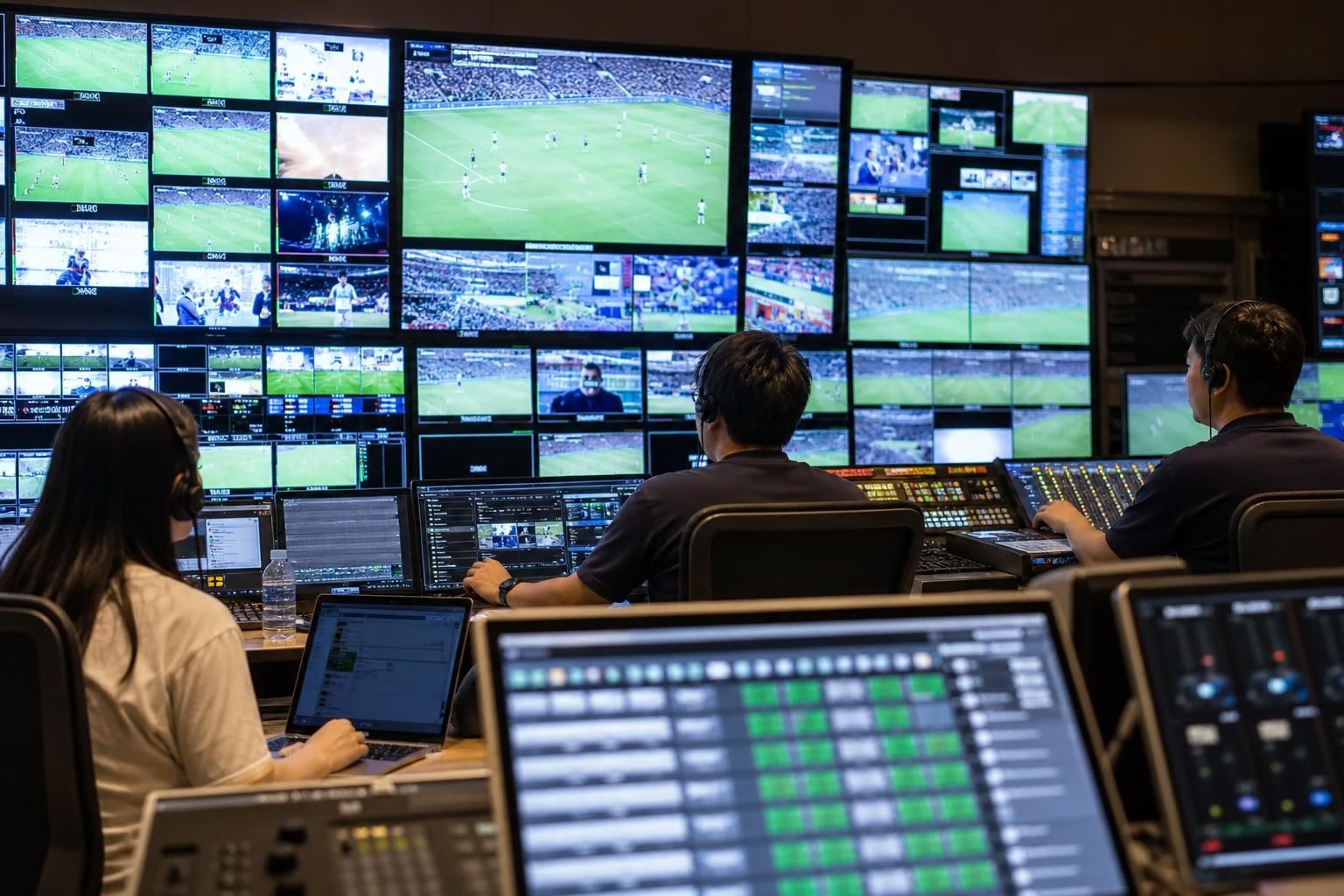
Still, the existence of an oversight mechanism can shape how urgently a company pursues stabilization measures. Monitoring may lead JTBC to accelerate financial controls, renegotiate internal spending priorities, or strengthen assurances to rights holders and production partners—especially if any risk flags emerge during the restructuring timeline.
What to watch next
In the coming weeks, the most immediate question will be whether JTBC can demonstrate concrete continuity planning—such as confirmed staffing for production teams, progress on technical preparations, and secured vendor arrangements for live coverage. Regulators will likely look for evidence that the broadcaster can meet both operational benchmarks and contractual timelines.
Another key variable is how restructuring decisions influence cash flow. If JTBC’s recovery process involves staged cost adjustments, regulators may require updated contingency plans to ensure that critical stages of tournament coverage are not jeopardized.
For audiences, the practical test will arrive when promotional materials and broadcast schedules begin to solidify in the lead-up to the tournament. If the task force succeeds in reducing uncertainty, the World Cup broadcast experience should remain stable despite the broadcaster’s financial turbulence. If risks persist, the industry—and regulators—could face a more difficult balancing act between market reality and public expectations for live coverage.



Join the Conversation
Log in to share your thoughts and join the conversation with other fans.
A story like this lands a little heavier. I hope people give it room for nuance before reacting.