
Super Junior’s Siwon Faces Renewed Backlash Over Political Threads Post

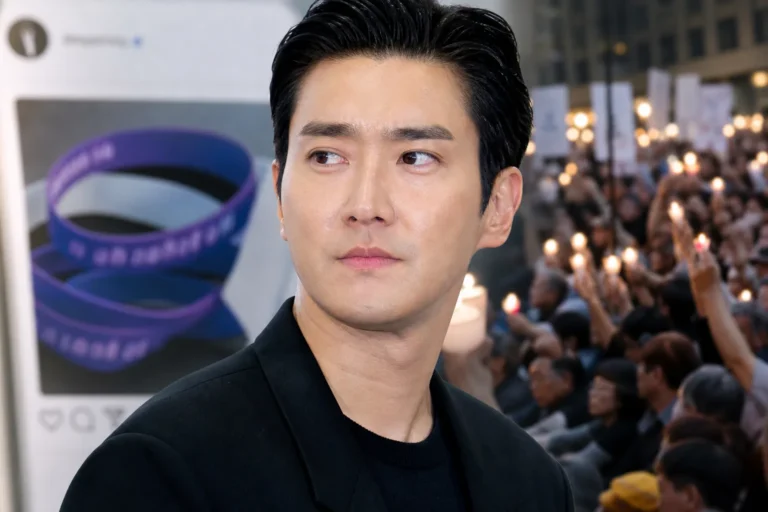
Super Junior member Siwon is facing renewed criticism after a new social media post reopened debate over how openly K-pop idols should discuss politics with fans. The SM Entertainment artist, who recently started using Threads, posted a message thanking followers for their support and saying he wanted to keep thinking with them about South Korea’s future.
The post did not name a party or candidate, and Siwon framed the message as a request for continued conversation. According to Koreaboo, he wrote that supportive comments had given him comfort and strength, and he said he hoped to share the thoughts he had been reflecting on while also listening more closely to different opinions.
Even so, the reaction was immediate on Korean online communities. Some users read the post as more than a neutral civic comment, arguing that it appeared to continue a pattern of political messaging from the idol. Others questioned whether he was moving toward a more public political role, while several comments focused on the timing and its effect on Super Junior’s fandom.
Why The Post Drew Attention
The controversy comes from context as much as from the wording of the latest post. Siwon has been criticized before for social media activity that some fans interpreted as signaling conservative or right-leaning political views. The new Threads message arrived after those earlier disputes had already made his public statements a point of close scrutiny.
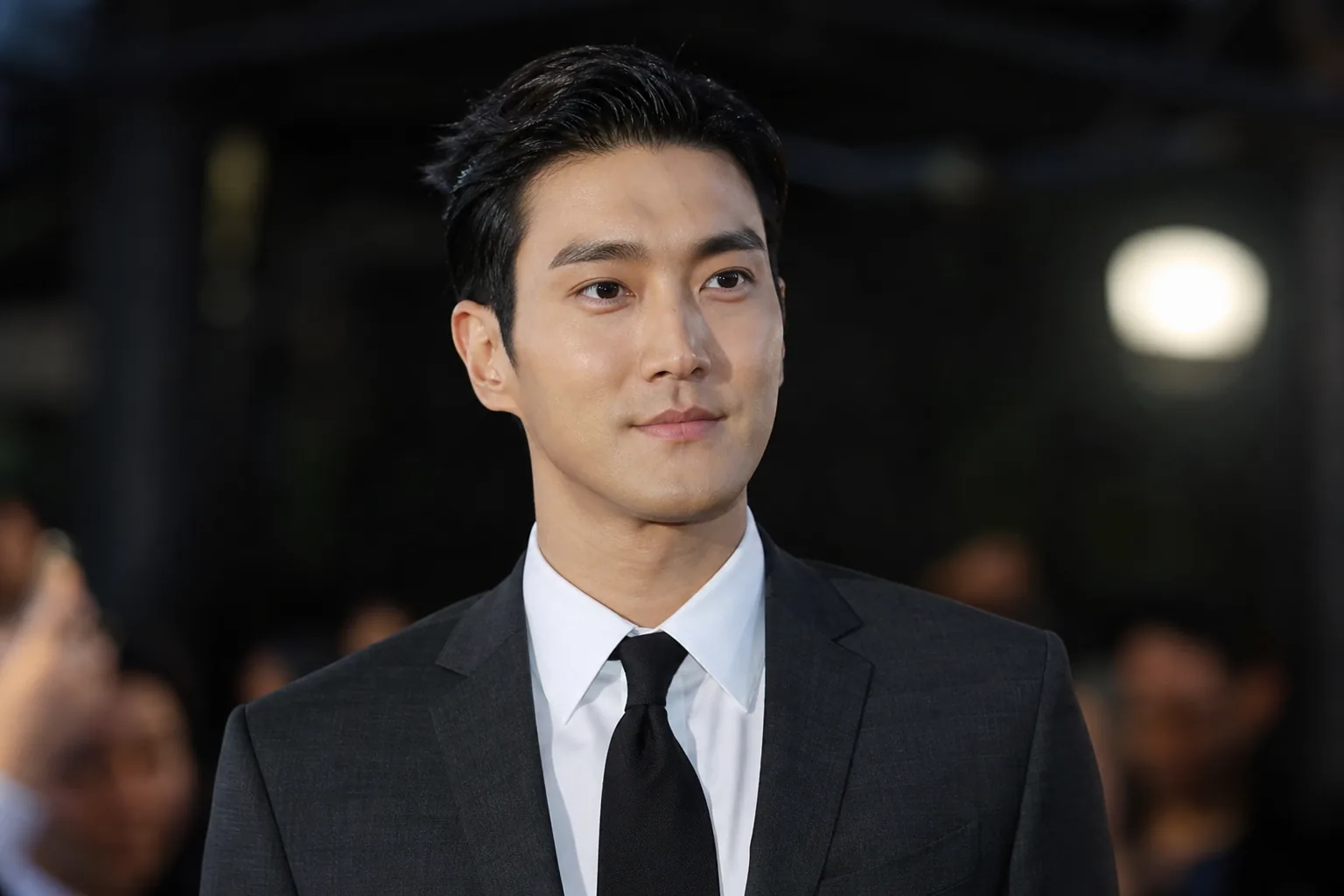
For supporters, the post can be seen as a celebrity expressing gratitude and inviting civil discussion. For critics, however, the concern is that an idol with a large international fanbase is increasingly linking his public image to politics. That tension explains why a short post about the future of the country quickly became a broader conversation about boundaries, influence, and responsibility.
Siwon’s case also reflects a recurring challenge for long-running idol groups. Veteran stars often have more freedom to speak as individuals than younger artists whose agencies tightly manage public messaging. But their words still travel through the same fandom channels, where fans may expect music, schedules, and group updates rather than political reflection.
Fans Debate Celebrity Speech
The backlash does not appear to be only about disagreement with a single opinion. Many of the critical responses described by Koreaboo framed the issue as discomfort with a perceived shift in Siwon’s public role. Some fans said they were uneasy about politics becoming a more visible part of his celebrity identity, especially while he remains connected to a group with audiences across different countries and viewpoints.
That distinction matters because K-pop fandoms are rarely politically uniform. Super Junior has listeners in South Korea, China, Southeast Asia, North America, Europe, and beyond. When an idol speaks on sensitive public issues, the response can split quickly between fans who defend personal expression and fans who worry that the remarks change how they relate to the artist.
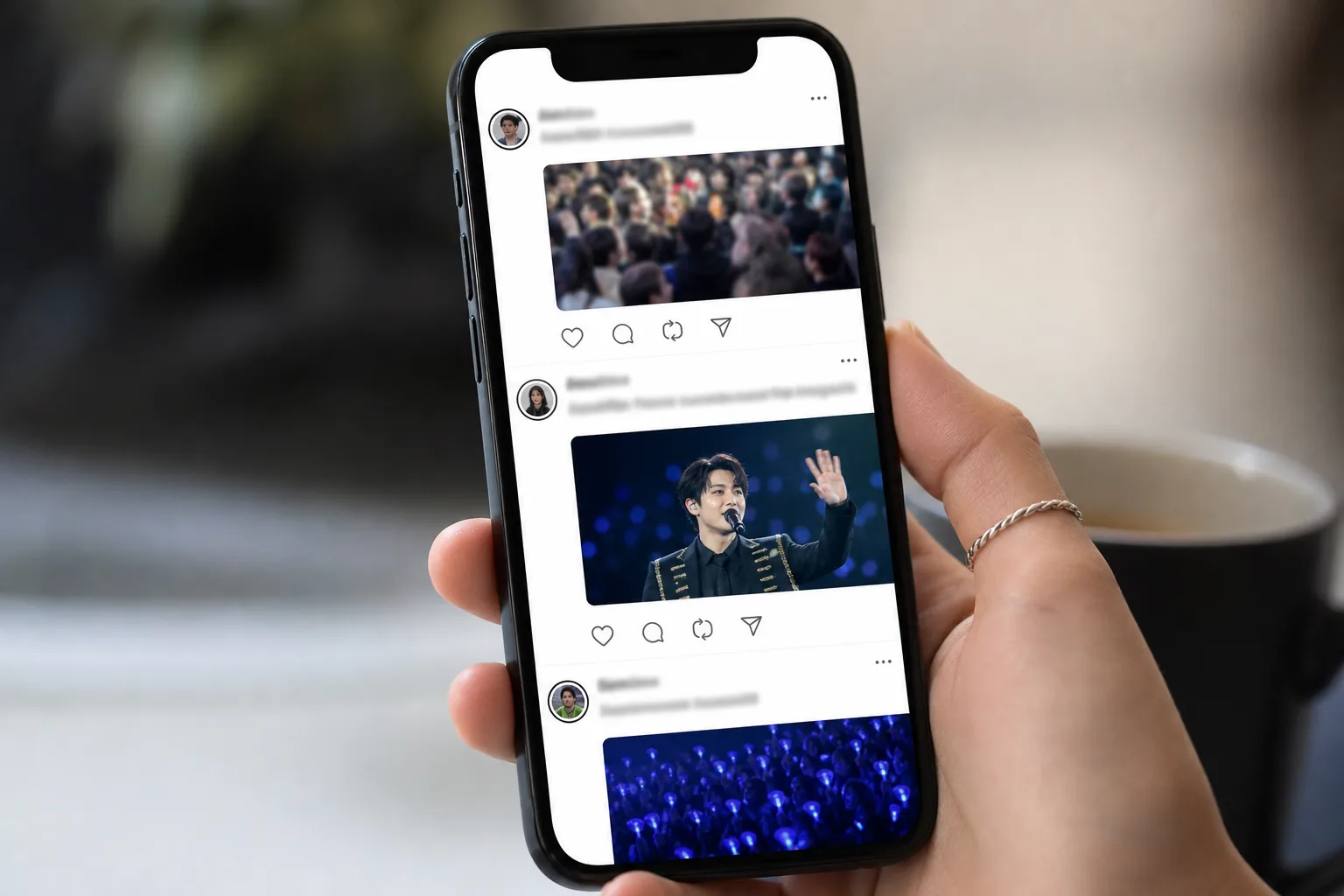
The discussion also shows how social platforms have changed idol communication. Apps such as Threads, X, Instagram, and fan communities allow stars to speak directly without a formal interview or agency statement. That directness can make posts feel intimate and sincere, but it also leaves little room for ambiguity once screenshots begin circulating beyond the original audience.
What It Means For Siwon’s Image
As of the latest report, Siwon had not issued a separate apology or clarification for the Threads post. The debate is therefore likely to continue through fan communities rather than through an official company response, unless SM Entertainment or Siwon chooses to address the criticism more directly.
For now, the key issue is perception. Siwon’s message may have been written as a broad invitation to discuss Korea’s future, but it landed in an environment where fans already had strong opinions about his previous posts. In that setting, even careful language can be read through a larger history of controversy.
The episode underlines how difficult it has become for high-profile entertainers to separate personal speech from brand identity. A veteran idol may have every reason to speak about public life, while fans may also decide that political messaging changes the kind of support they are willing to give. Siwon’s latest post sits directly inside that unresolved debate.
Join the Conversation
Log in to share your thoughts and join the conversation with other fans.