
Airport Identity Check Debate Puts Celebrity Security Rules Back Under Scrutiny

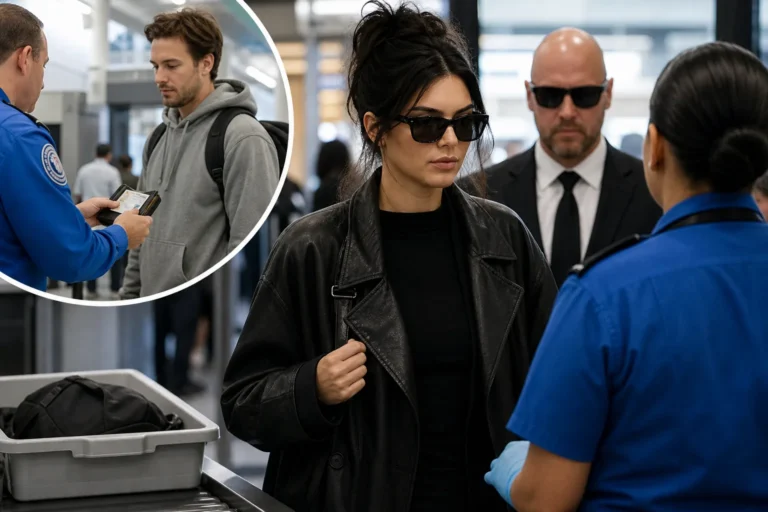
A brief airport moment involving IVE member Jang Won Young has grown into a wider Korean entertainment debate about celebrity privilege, security procedure, and how public airports should handle famous passengers. What began as online discussion over a video from Gimpo International Airport has now become part of a larger conversation about whether airport rules are clear enough for all travelers.
The issue traces back to Jang’s departure from Gimpo Airport on May 30, when she was reportedly traveling for a schedule in Shanghai. Footage circulated online showing the singer responding to an identity-check request while wearing a mask and hat. Some viewers argued that she appeared to lower the mask only briefly and did not fully remove face-covering items, prompting claims that celebrities may receive more lenient treatment than ordinary passengers.
The criticism did not remain limited to fan forums or comment sections. According to Korean media reports, civil complaints were directed at airport authorities asking whether passengers are subject to a unified standard when staff compare identification documents with a traveler’s face. The debate therefore shifted from one idol’s conduct to the broader question of how procedures are communicated and enforced.
Airport Guidance Becomes The Core Issue
Korea Airports Corporation has denied that entertainers receive special treatment, saying identity checks are applied under the same standard for all passengers. At the same time, reports noted that the corporation moved to strengthen passenger-facing guidance. Domestic flight information was updated to make clearer that travelers may be asked to briefly remove masks, hats, and sunglasses so staff can confirm identity.
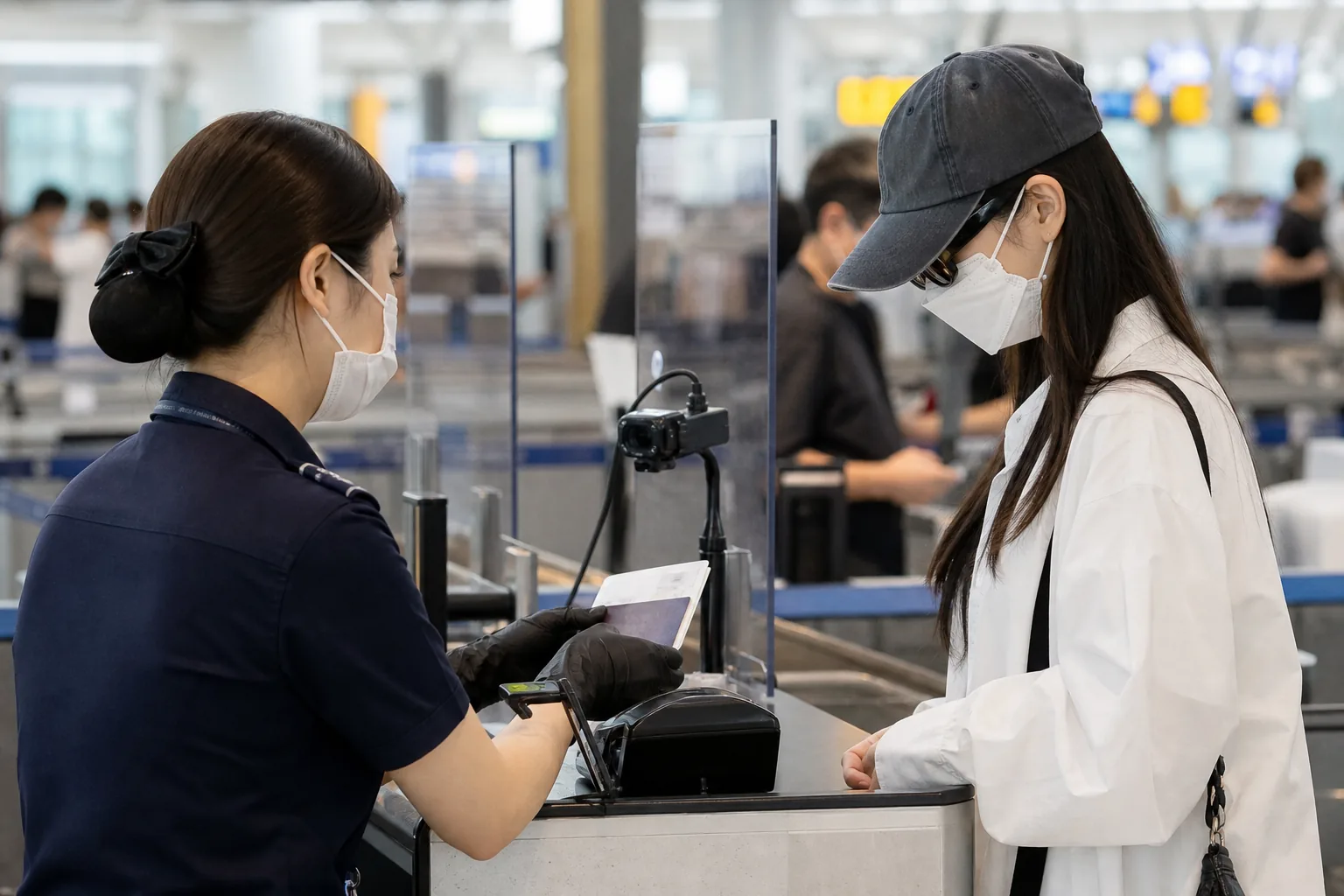
That change is important because it reframes the controversy. Instead of treating the matter only as a celebrity etiquette dispute, the new wording acknowledges that public instructions had room to become more explicit. Airports often rely on verbal requests from staff at the checkpoint, but high-profile incidents show how quickly an unclear interaction can be interpreted as favoritism when a public figure is involved.
For Jang Won Young, the attention arrives amid the constant visibility that follows top K-pop idols through airports. Airport departures and arrivals have long functioned as unofficial entertainment events, with press photographers, fan cameras, security personnel, and ordinary passengers sharing the same limited space. The result is a setting where a routine check can become content, and content can become controversy within hours.
A Wider Celebrity-Airport Pattern
TV Chosun’s broader coverage placed the Jang discussion alongside other airport controversies involving entertainers and security teams, including disputes over crowd control and allegations of excessive guarding. The common thread is that airports are not entertainment venues, even when celebrity movement turns them into media moments. They remain public infrastructure used by tourists, workers, families, and business travelers who expect predictable access and equal treatment.
This tension has challenged airport operators before. Measures such as advance planning, police coordination, and separate routes for public figures can reduce crowding, but they also invite accusations that celebrities are being given privileges unavailable to other passengers. A rule designed to prevent congestion can look like favoritism if the public does not understand why it exists or who approved it.
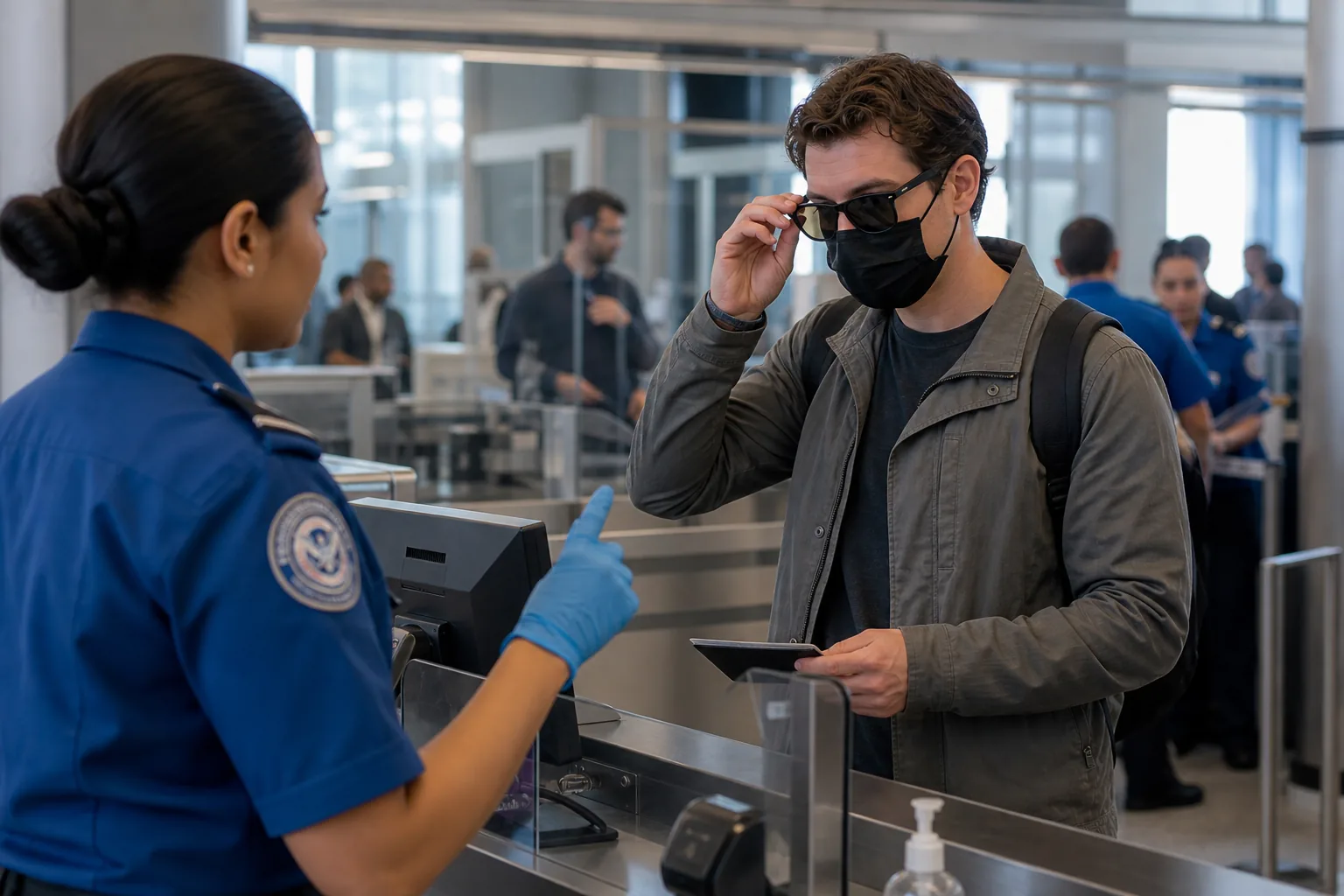
The latest debate shows why communication matters as much as enforcement. If passengers are told in advance that masks, hats, and sunglasses should be removed briefly for identity checks, staff have clearer authority and travelers have clearer expectations. That clarity protects ordinary passengers from inconsistent treatment, while also reducing the chance that a celebrity’s brief interaction with staff becomes a symbolic case about status.
There is also a burden on agencies and security teams. K-pop companies increasingly manage airport schedules in an environment where fan attention can affect safety. The more visible an artist is, the more carefully teams need to balance privacy, speed, and compliance with public procedures. A fast-moving departure may feel necessary for crowd control, but it cannot appear to bypass rules that every other traveler must follow.
Why The Debate Is Still Resonating
The Jang Won Young case continues to draw attention because it sits at the intersection of three sensitive issues: celebrity access, public safety, and fairness. Many fans see airport scrutiny as excessive and invasive, especially when idols are filmed during basic travel. Critics, however, argue that fame should not soften security expectations or create confusion for airport staff.
Both concerns can be true at the same time. Celebrities should not be harassed during travel, and ordinary passengers should not feel that procedures change depending on who is standing at the checkpoint. The practical answer is less about punishing one singer and more about making airport policy visible, consistent, and easy to apply under pressure.
For Korean entertainment, the episode is another reminder that the airport remains one of K-pop’s most unpredictable public stages. A few seconds at a checkpoint can become a national conversation when celebrity culture, fan media, and public infrastructure overlap. The new guidance may not end every dispute, but it gives airports a clearer baseline the next time fame and routine procedure meet at the departure gate.



Join the Conversation
Log in to share your thoughts and join the conversation with other fans.