

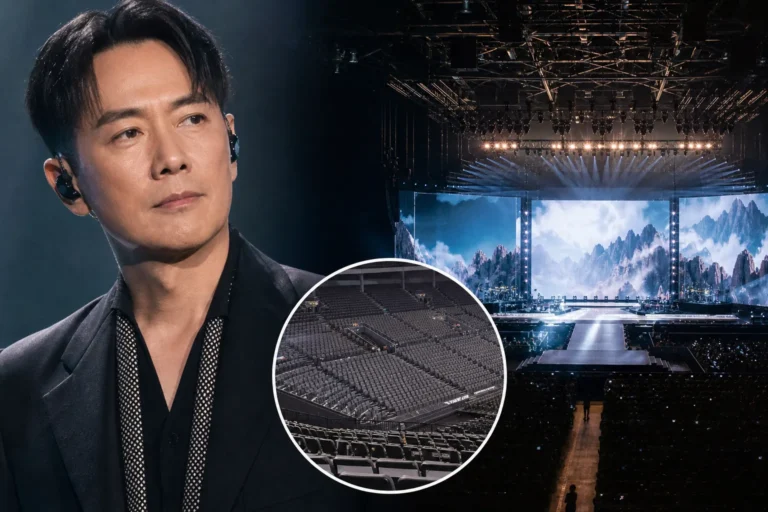
Jordan Chan’s Beijing concert stop has become a case study in how quickly live entertainment can be judged by fans in the social media era. The Hong Kong singer, actor, and performer opened the Beijing leg of his BIG MAN tour on June 20, but the first night drew criticism from some concertgoers who said parts of the stage design blocked their view of the performance.
According to the report, the complaints centered on a large pink structure positioned near the middle of the stage. Some attendees who had purchased top-tier tickets, priced at 1,288 yuan, said they were left watching major portions of the show from poor angles. The frustration reportedly grew strong enough that some audience members raised the possibility of refunds.
The issue was not about Chan’s willingness to perform, but about the practical contract between a concert and its audience: fans pay not only to hear a set list, but also to see the artist, follow the staging, and feel that their seat gives them a meaningful connection to the show. When that visual access is compromised, even a high-profile production can quickly lose goodwill.
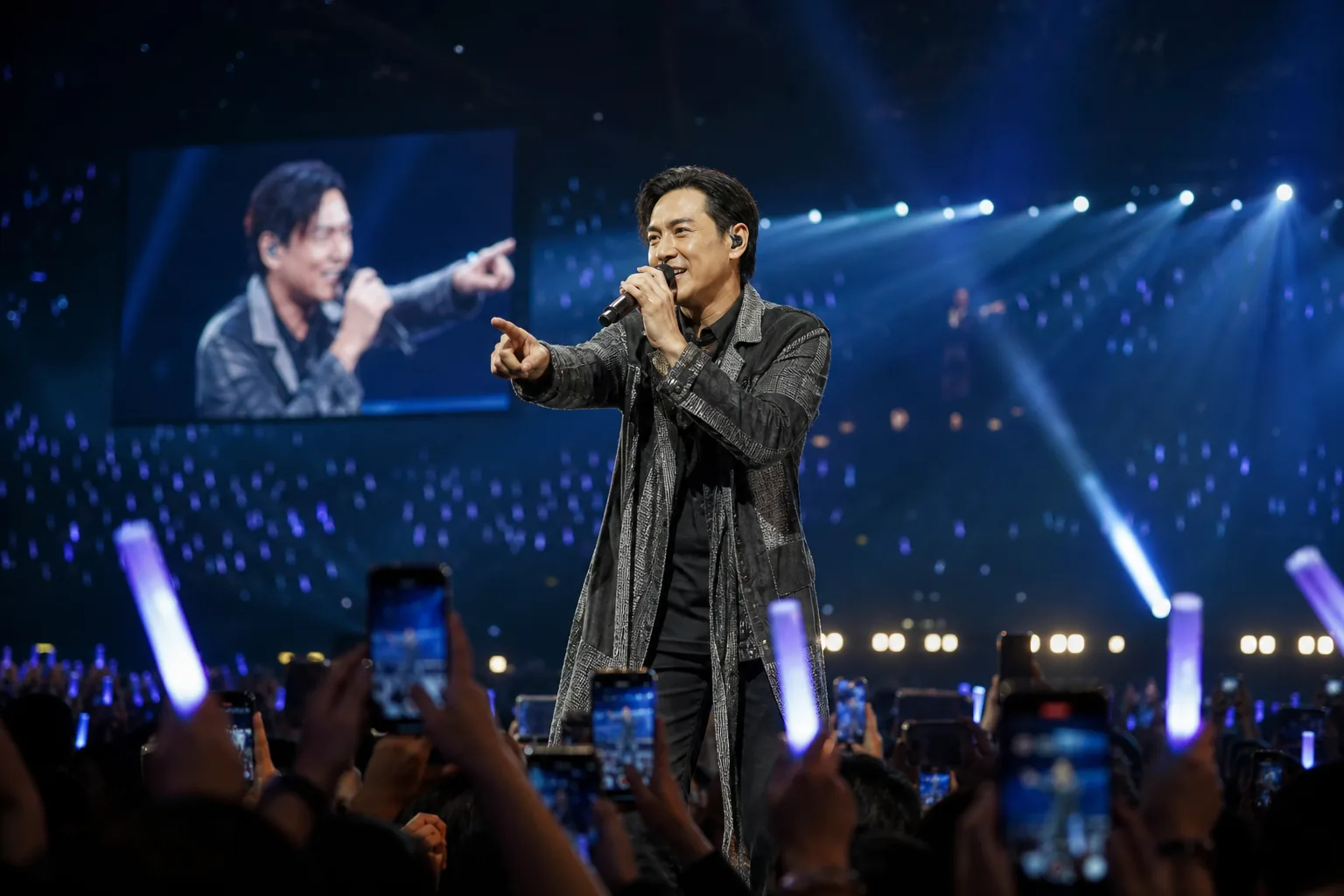
Chan and his production team responded after the opening performance by making immediate changes rather than waiting for later tour dates. The reported adjustments included removing structures that affected sightlines, enlarging screen displays, offering alternate seats to some affected attendees, and changing parts of Chan’s stage movement so more sections of the venue could see him clearly.
Overnight Changes Put Fan Experience First
One detail that made the story spread was the speed of the response. Chan was reported to have personally supervised the overnight modifications, a move that framed the problem less as a public relations note and more as an operational fix. In live music, especially at arena scale, staging choices are usually planned long before opening night. Changing them after one performance suggests the team accepted that the audience experience needed urgent attention.
During the second night’s concert, Chan became emotional while addressing the controversy from the stage. He told fans that he had read their comments and suggestions, and said the team would continue improving if audiences remained dissatisfied. The apology was notable because it acknowledged the complaints directly instead of treating them as background noise.
That tone appeared to matter. Fan criticism of concerts often hardens when artists or agencies appear detached from practical problems such as visibility, sound, delays, or crowd control. Chan’s response took a different route: he accepted responsibility in front of the same type of audience that had raised concerns, then connected the apology to visible production changes.
His wife, actress Cherrie Ying, also helped soften the public mood with a joking comment about Chan reading too many reviews and crying. Her remark did not erase the staging issue, but it added a more human frame to a story that could have remained only a complaint cycle. It also reinforced the idea that the team had listened closely enough for the criticism to affect them personally.
A Wider Lesson For Touring Productions
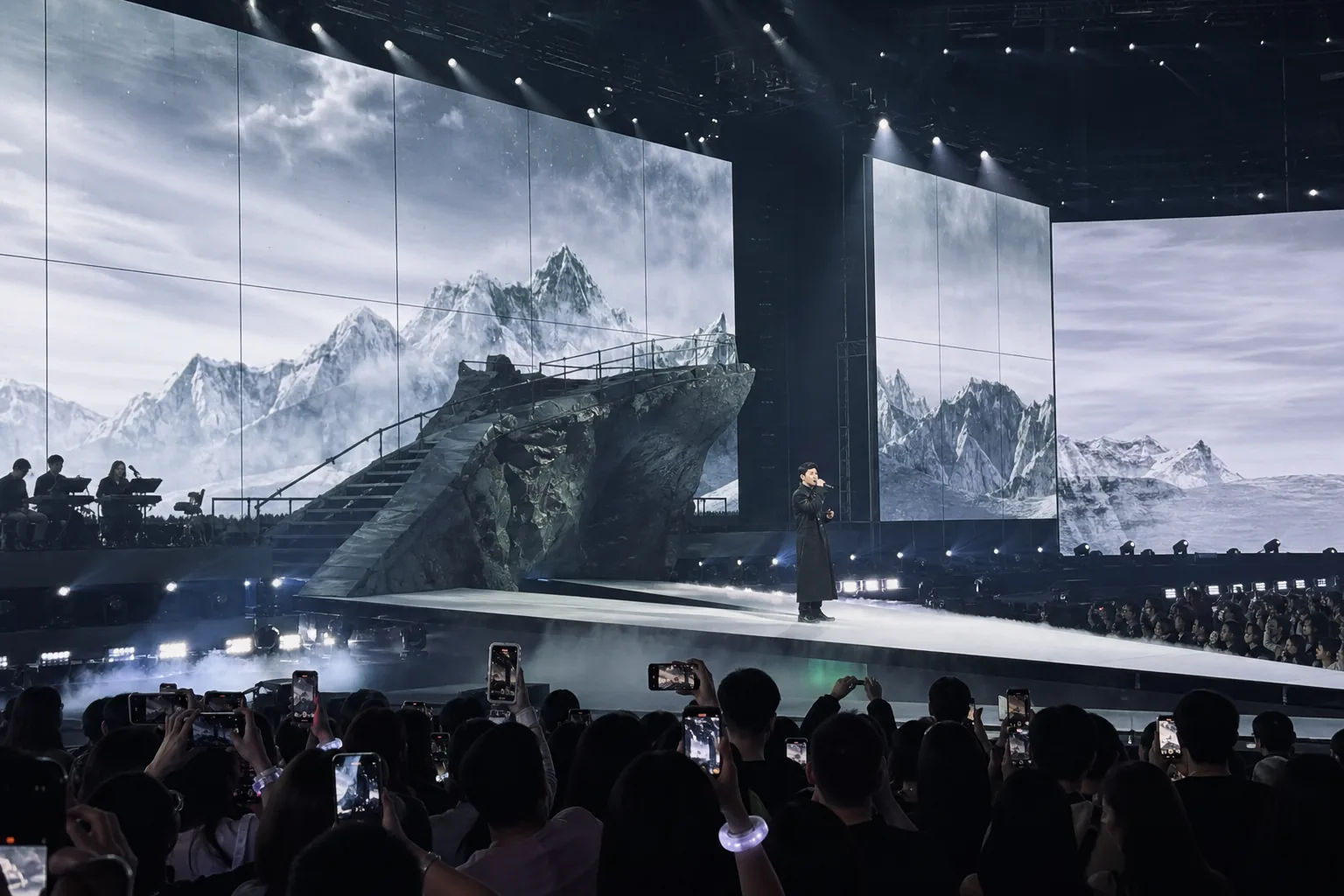
The Beijing incident underlines a broader challenge for major Asian pop and entertainment tours. Modern concerts are increasingly designed around large props, extended stages, moving screens, and dramatic visual set pieces. Those elements can make a show feel cinematic, but they also raise the risk that some sections of a venue will see less than expected, especially when expensive seats are involved.
For fans, a premium ticket creates a premium expectation. If the production design makes that ticket feel compromised, the artist’s reputation can become part of the dispute even when the problem begins with staging logistics. That is why fast adjustments can be as important as the original apology: they show that criticism has been translated into a better experience for the next audience.
Chan’s case may ultimately be remembered less for the mistake than for the turnaround. The first show produced complaints, but the second show produced a visible correction and an emotional statement from the artist. For a tour still in motion, that distinction matters because it gives later audiences a reason to believe the production is still being refined.
The episode also highlights how concert accountability now unfolds in real time. Fan posts, venue footage, and ticket discussions can turn a staging flaw into a public narrative within hours. Artists and promoters who respond quickly can limit the damage, while those who appear slow or dismissive risk letting a technical issue become a larger trust problem.
For Chan, the immediate priority will be sustaining that improved experience across the remaining tour stops. The larger takeaway is simple but significant: in a live show, sincerity helps, but a better view helps even more.



Join the Conversation
Log in to share your thoughts and join the conversation with other fans.