
CORTIS Member Martin’s Music Recommendation Sparks Online Backlash After Artist’s Critical Posts

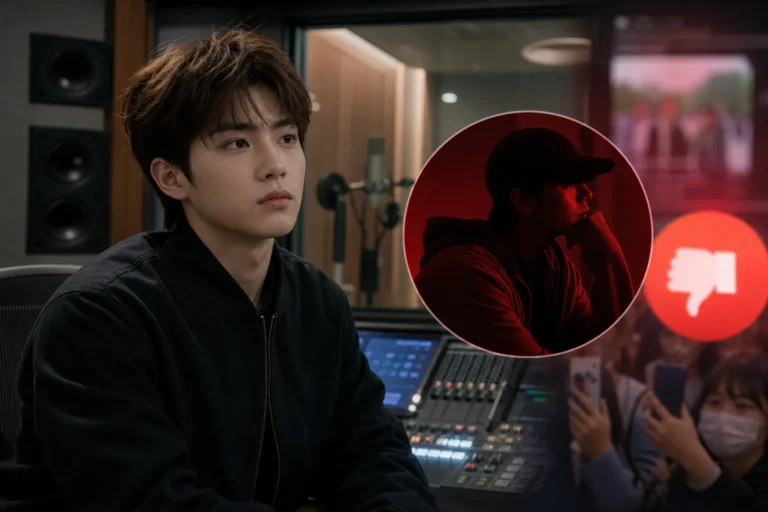
A music recommendation from CORTIS member Martin has turned into an unexpected flashpoint after the artist behind the track appeared to criticize the HYBE group online. The exchange drew attention because Martin had reportedly highlighted the song as something he enjoyed, only for fans to notice posts from the artist that they interpreted as dismissive toward CORTIS and the way mainstream idol music is made.
According to Koreaboo, Martin recently recommended knots by Matt Proxy while sharing music with fans. Soon afterward, the artist was seen making critical comments across social platforms, including one post that referred negatively to songs made by large teams. The post became a point of debate because many fans viewed it as a response to the attention coming from Martin’s recommendation.
Why Fans Reacted So Strongly
The backlash was not only about one remark. For many CORTIS fans, the issue was the imbalance in the situation: an idol publicly recommending a smaller artist’s music can send new listeners toward that artist, while a critical response can feel like a rejection of both the idol and the fandom that arrived through him. That dynamic helped the story spread quickly beyond the original recommendation.
Fans also connected the incident to a wider concern about how K-pop artists are often criticized through assumptions about the industry’s production system. Idol releases frequently involve producers, composers, lyricists, performance directors, visual teams, and label staff. Critics sometimes frame that structure as less authentic than independent music-making, while fans argue that collaboration is a standard part of pop music and does not automatically make an artist’s work less meaningful.

In this case, the strongest reaction came from fans who felt Martin’s gesture had been straightforward and generous. He was not making a promotional deal or asking for a public exchange; he was simply sharing a song recommendation. That made the perceived criticism feel unnecessary to supporters, especially because it arrived after the artist had received exposure from a member of a HYBE-backed group.
A Familiar Pattern In K-Pop Fandom Spaces
The episode also reflects a recurring tension in online music culture. When idols mention songs, books, films, fashion labels, or artists, fandoms can mobilize around those recommendations almost instantly. The attention can be helpful, but it can also put independent creators in contact with a large and highly defensive fanbase. If either side responds sharply, the original recommendation can be overshadowed by arguments over respect, authenticity, and intent.
For newer groups such as CORTIS, these moments are especially sensitive because public identity is still being formed. Every interaction can affect how listeners interpret the group’s place in the industry: whether they are seen as a polished HYBE act, young artists with personal taste, or both. Martin’s recommendation suggested a member trying to share music beyond his own group’s ecosystem, while the reaction around it showed how quickly that personal taste can become part of a larger fandom dispute.
There is also a practical reason some fans worried about the impact on Martin himself. If recommendations repeatedly lead to criticism of CORTIS, idols may become more cautious about naming smaller artists or sharing casual playlists. That would be a loss for fans who enjoy seeing what their favorite performers are listening to, and for lesser-known musicians who might benefit from genuine discovery through idol platforms.

What The Controversy Shows
No formal statement from CORTIS or HYBE was cited in the report, and the incident remains primarily an online reaction story. Still, it highlights how quickly tone and context can shift when posts move between different audience communities. A comment that may have been intended as a broad statement about music-making was received by many fans as a direct slight against an idol who had just shown support.
The debate is unlikely to end with one deleted or criticized post. K-pop fandoms are increasingly attentive to how outside artists respond to idol attention, particularly when a recommendation sends a sudden wave of listeners toward someone who was previously outside the fandom’s orbit. For now, Martin’s recommendation has become less a story about a song and more a reminder that online visibility can be both an opportunity and a pressure point.
At its center, the situation is a small but revealing example of modern pop culture’s feedback loop. A member shares a track, fans amplify it, the artist responds, and the response becomes news. In an environment where casual posts can be interpreted by thousands of people within minutes, even a simple music recommendation can carry more weight than anyone involved may have expected.



Join the Conversation
Log in to share your thoughts and join the conversation with other fans.