
EVAN’s TikTok With ILLIT’s Iroha Sparks Online Backlash Over “Forced” Hate and Idol Choreography Criticism

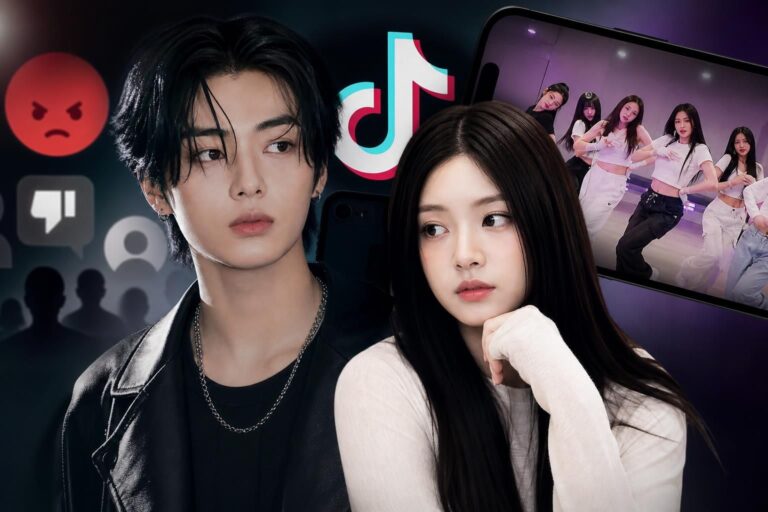
A former ENHYPEN member, EVAN (Heeseung), has become the target of a wave of online criticism after a recent TikTok video featuring ILLIT’s Iroha drew attention for alleged “awkward” choreography and a broader culture of hate in K-pop comment sections, according to reports from Koreaboo.
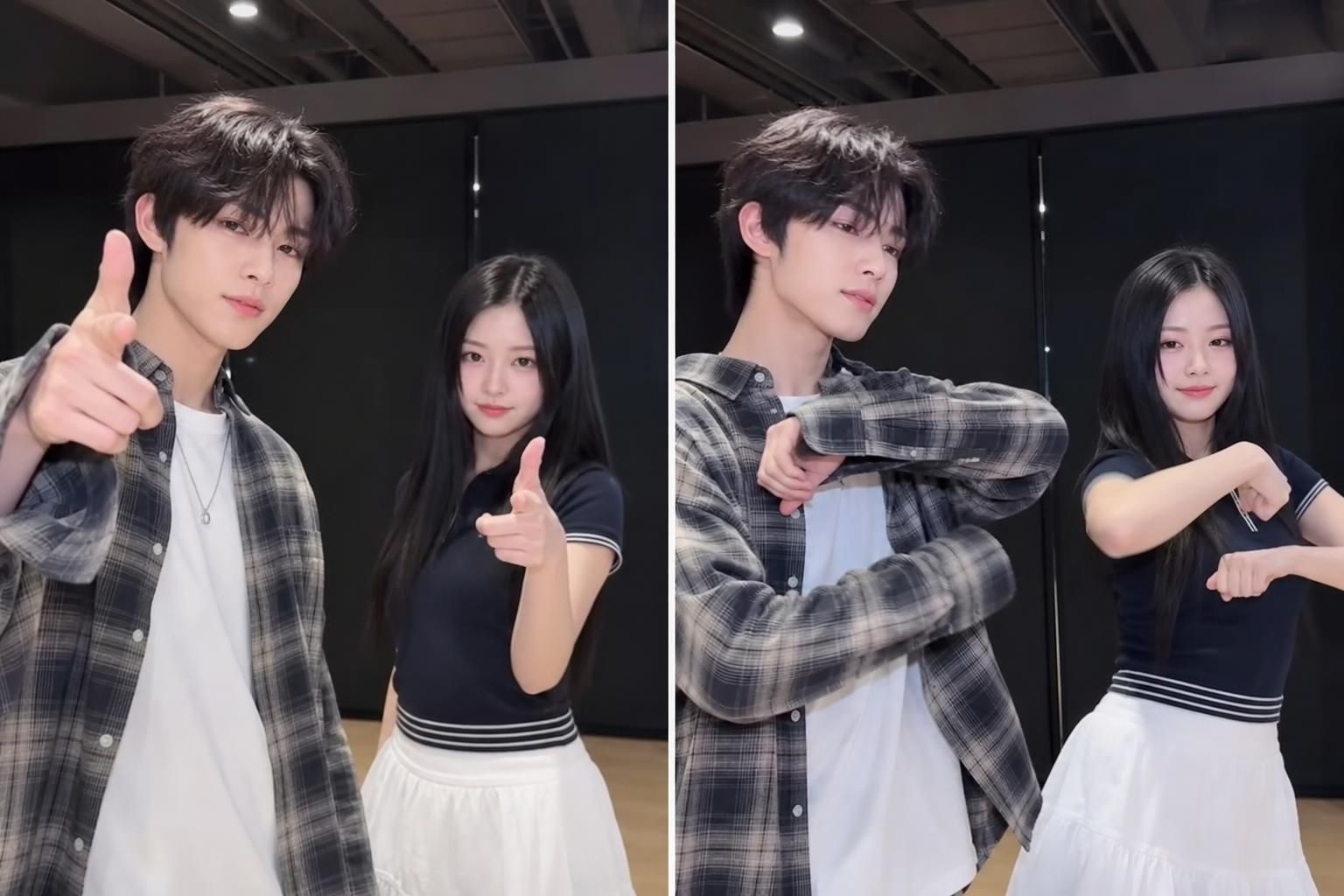
The controversy erupted after EVAN posted (and shared through social channels) a dance clip in which he and Iroha appear to follow a choreography trend connected to the song “ICONIC BY MISTAKE”—a collaboration associated with LE SSERAFIM, ILLIT, and KATSEYE. Within hours, the post accumulated sharp reactions, with some commenters focusing less on the collaboration itself and more on how EVAN was moving during the challenge.
Backlash centers on perceived dance “inadequacy”
Much of the criticism aimed at EVAN took the form of choreography judgments. In the comments, some users claimed he was not dancing “properly,” arguing that viewers had to “be forced” to watch him in order to see Iroha perform. Others framed the critique as a dismissal of his overall ability as a performer, using harsh language that suggested he lacked the technical competence expected from a high-profile idol.
The debate quickly expanded beyond choreography technique. While a portion of the engagement centered on the clip itself, the tone of many responses suggested that the hate was not purely about performance quality, but also tied to fandom dynamics and the expectation that idols should become targets for entertainment online—even when participating in a casual dance trend.
Supporters say “hate as a trend” needs to stop
Alongside the negative comments, a counter-wave of defenders appeared soon after. According to Koreaboo, some netizens argued that the underlying problem is the way idol communities have become caught in cycles of criticism during participation in viral challenges. The defenders suggested that people were posting hate “forced” comments rather than engaging in good-faith feedback.
Supporters also questioned why viewers treat dance challenges like an opportunity to attack rather than assess. One common argument was that hate behavior has become normalized—selecting a particular idol, then repeating negativity across posts—turning the comment section into an arena for hostility rather than discussion.
Critics of the critics further noted that dance styles vary by performer, and that judging an idol’s “correctness” against a single interpretation of choreography ignores personal flair. In that framing, the backlash is less about the act of dancing and more about a recurring internet behavior: mobilizing negativity to gain traction and enforce narratives within fandom culture.
Why collaborations and challenge trends attract heavier scrutiny
In the K-pop ecosystem, cross-group content and collaboration performances tend to draw fast, high-volume attention. When a former ENHYPEN member appears in a dance clip with Iroha—both prominent in their respective groups—users are more likely to compare performance style immediately. That scrutiny can be amplified by TikTok’s culture of rapid tagging, replaying, and comment-based “callouts,” where short clips can be interpreted as definitive judgments rather than moments within a longer performance context.
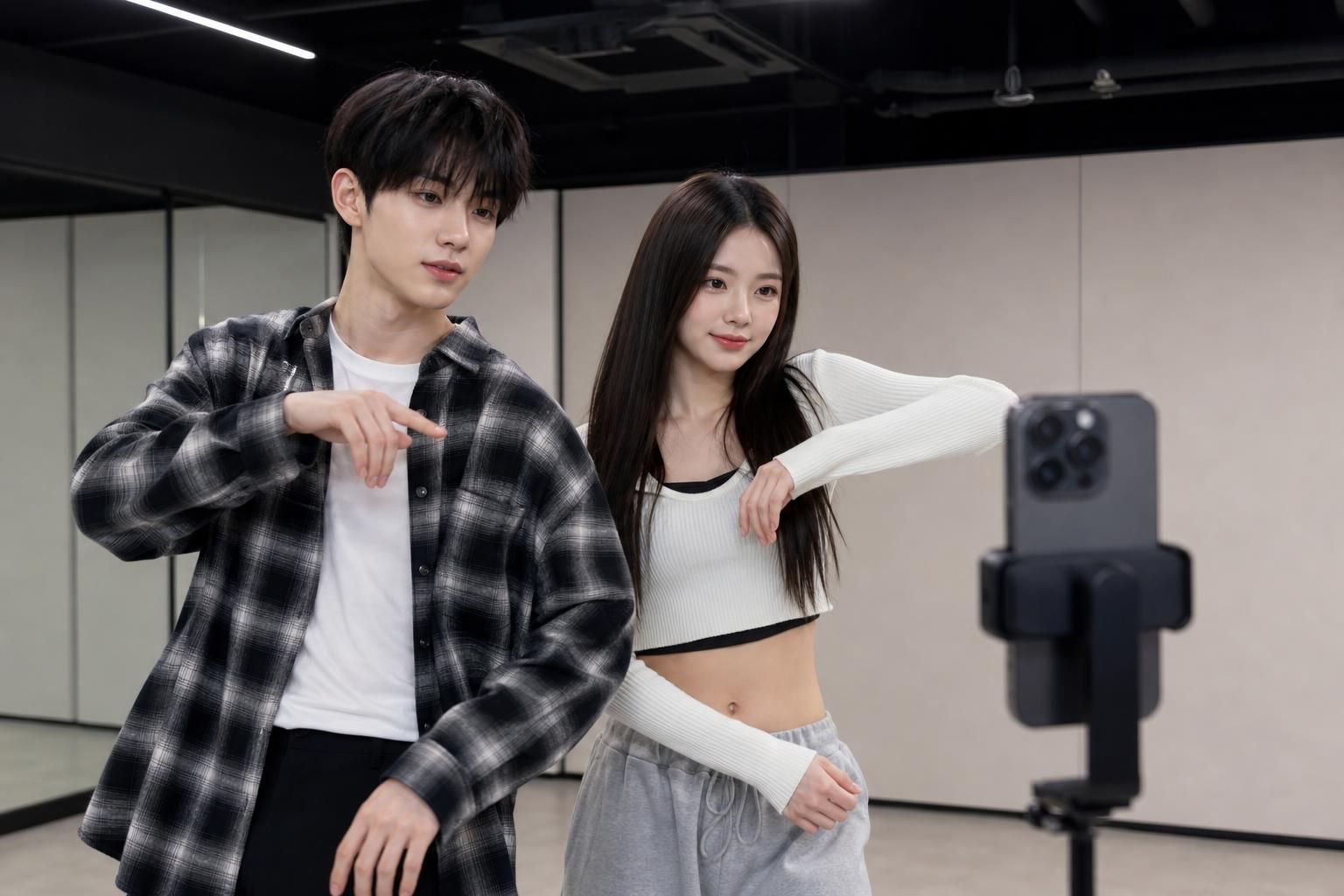
At the same time, viral challenge trends often compress choreography into a few seconds. Small movements can appear exaggerated in replay, and viewers may judge timing or hip motion with less context than they would apply to a full stage performance. That makes dance content a frequent flashpoint for criticism, especially when the video is shared widely and commenters arrive ready to evaluate rather than watch.
Platform dynamics: punishment cycles and the “performer-as-target” problem
What makes this incident notable is not only that EVAN faced negative commentary, but that supporters positioned the backlash as part of a broader pattern. Koreaboo reported that netizens defended him by pointing to the idea that hate has become “trending”—a behavior where negativity is coordinated, repeated, and treated as entertainment.
That kind of cycle carries real consequences. Even when criticism is framed as “opinion,” repeated hostile comments can shape public perception, force idols to navigate harassment instead of focusing on their work, and encourage further pile-ons. Meanwhile, defenders can unintentionally escalate visibility by arguing back in the same threads, keeping attention on the attack even when it is meant to be dismissed.
What to watch next
For EVAN and his management, the next phase likely hinges on whether additional clips or responses follow—either from fans, the platform’s algorithm, or the creators themselves. If the backlash continues, future posts involving collaboration dances may face heightened scrutiny, particularly around how “right” movement should look in short-form video.
For viewers, the larger question is whether comment sections can shift toward constructive critique. As this episode shows, even lighthearted challenge content can become a battleground—so what happens next may depend less on dance accuracy and more on whether users decide to treat performers as people participating in trends, rather than targets for hostility.

Join the Conversation
Log in to share your thoughts and join the conversation with other fans.
This is the kind of update where I just hope facts and people’s well-being both get treated seriously.