
Kim Min Ha Says Weight Loss Was For a Role, Not Beauty Standards


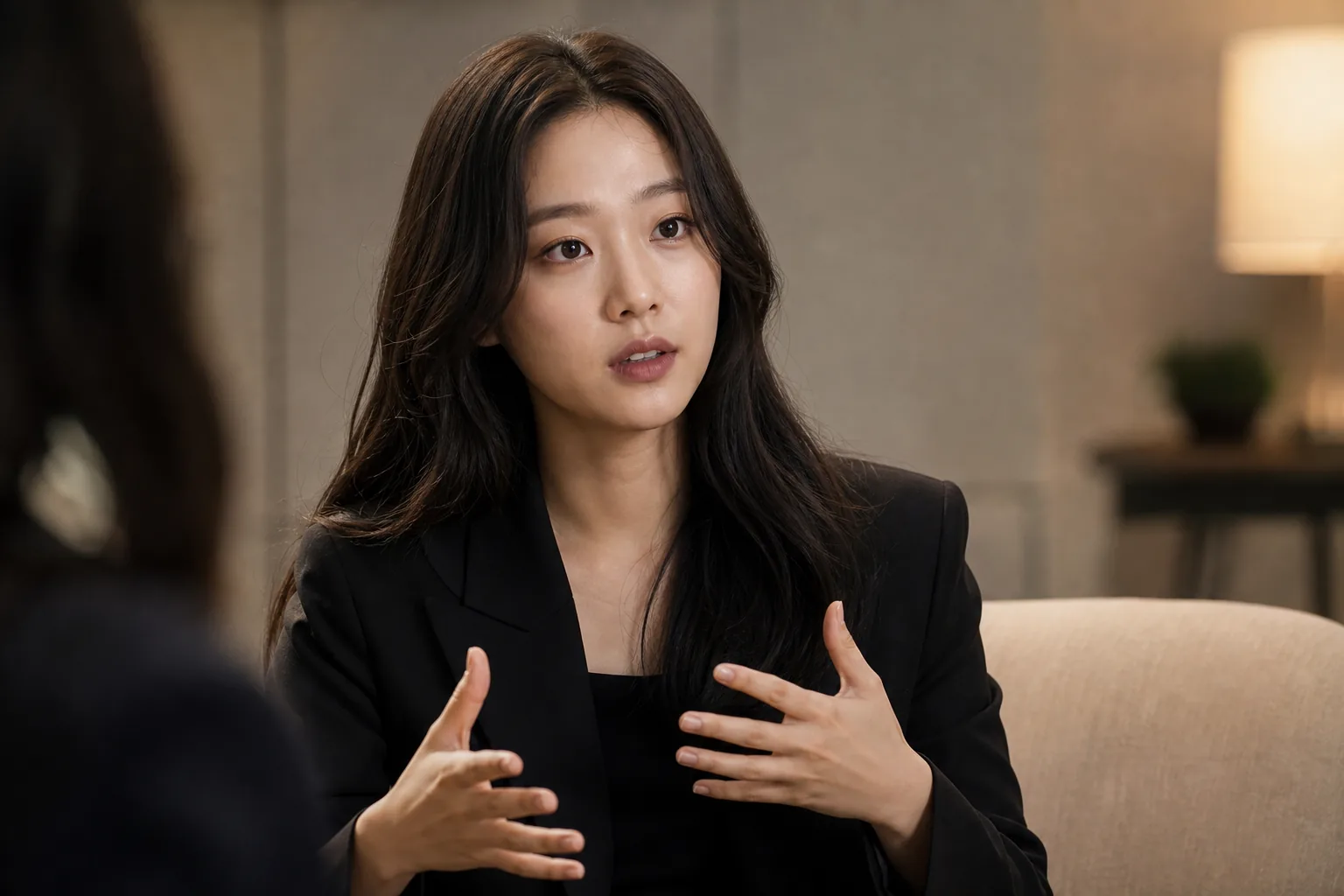
Kim Min Ha has directly addressed public discussion about her recent weight loss, saying the change was connected to her work rather than an effort to meet beauty standards. The actress, known internationally for her role in Pachinko, responded during a recent BBC interview after weeks of online speculation about her appearance.
The conversation around Kim intensified as fans and online commenters noticed that she appeared visibly slimmer in recent public updates. Some expressed concern, while others speculated about strict dieting or other methods often associated with the demanding image culture surrounding Korean entertainment. The discussion quickly moved beyond ordinary fan curiosity and became a wider debate about how closely actresses’ bodies are monitored.
Kim did not frame her answer as an apology. Instead, she said she was satisfied with her appearance and explained that the change was part of her preparation as an actor. According to the source report, she emphasized that she is willing to alter her body or appearance when a role requires it, and that the point was not to satisfy a beauty ideal.
Her response stood out because it rejected two common assumptions at once: that visible weight changes must be explained as personal insecurity, and that actresses should remain open to public judgment about every physical change. Kim’s answer kept the focus on craft. She described her body shape as having a reason connected to the role and indicated that, for her, the work mattered more than public debate over how she looked.
Why The Response Resonated
Online reaction to the interview was swift, with many viewers praising Kim for answering firmly. A large part of the support centered on the double bind faced by female celebrities. If an actress loses weight, she can be accused of promoting unrealistic standards; if she gains weight, she may face criticism from the same public spaces. Kim’s comments gave fans a concise way to push back against that pattern.
The timing also mattered. Korean dramas and films often ask performers to make physical, emotional, and stylistic shifts for specific characters. Those changes can be part of the job, but they are frequently interpreted through a celebrity culture that treats appearance as a public referendum. Kim’s interview made that tension visible: an actor may be making a professional choice, while the audience reads it as a statement about beauty, health, or status.
That does not mean concern from fans is always malicious. Viewers can react strongly when a public figure appears dramatically different, especially in an industry where harsh diets and exhausting schedules have long been discussed. But the line between concern and entitlement can disappear quickly. When speculation becomes a demand for explanation, the celebrity is placed in the position of having to defend a body that was never public property.
A Broader Entertainment Debate
Kim’s comments arrive in a media environment where actors and idols are often asked to speak about their looks as if appearance were the main measure of professionalism. Interviews, social media clips, airport photos, and promotional events can all become sources of body-focused commentary. For actresses in particular, that attention can narrow the conversation around their work, reducing performances to before-and-after comparisons.
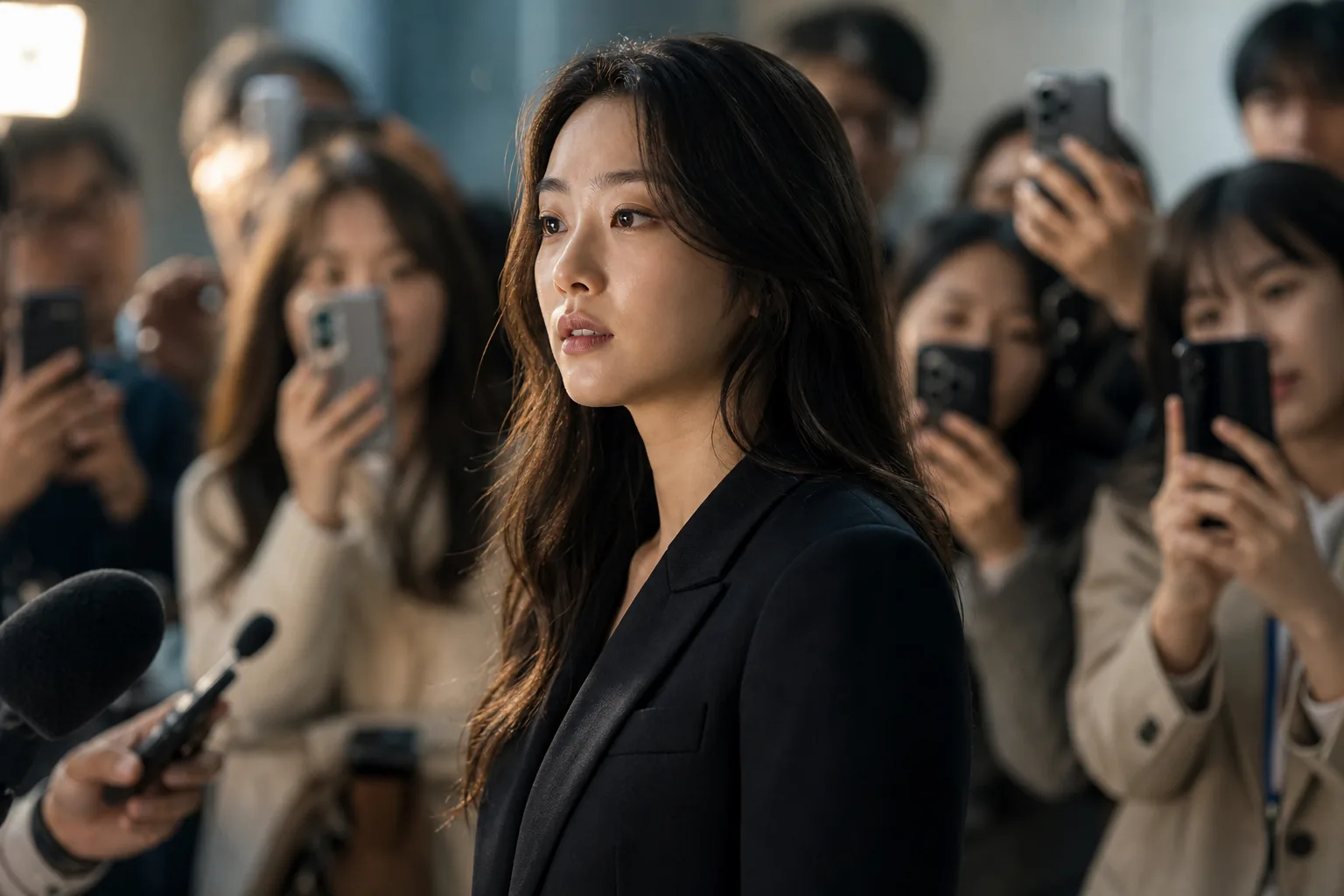
Her answer was notable because it did not invite a longer argument about whether her appearance was acceptable. She said she was satisfied, explained the professional context, and moved the focus back to acting. That approach gave the story a different shape from a typical controversy cycle, where public figures either apologize for not meeting expectations or offer extended explanations that fuel more commentary.
For fans, the episode may also raise a useful question about how entertainment audiences discuss transformation. Actors routinely change hair, styling, posture, and body language to inhabit characters. Physical preparation can be part of that process, though it should never be romanticized when it risks health. The more careful distinction is between recognizing a role-based transformation and using it as an excuse to police a performer’s body.
Kim Min Ha’s BBC interview response is likely to remain part of a larger conversation about body image in Korean entertainment. Still, the clearest takeaway is simple: she says the change had a professional reason, she is comfortable with her appearance, and she does not want the discussion to overshadow the role she was preparing for.


Join the Conversation
Log in to share your thoughts and join the conversation with other fans.