
JTBC Says Broadcast Operations Have Normalized Amid Restructuring Process

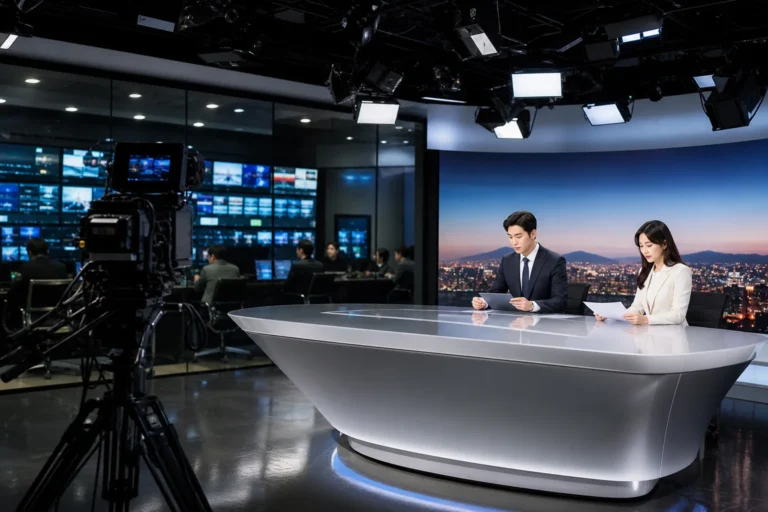
JTBC says its program production and broadcasting have returned to normal as the company continues a court-mediated restructuring process tied to a wider liquidity crunch at JoongAng Group.
The broadcaster issued a status update after a rehabilitation court extended its Autonomous Restructuring Support, or ARS, procedure. The extension gives the company additional time to continue discussions with creditors before any further decision on formal rehabilitation proceedings.
In its statement, JTBC apologized to creditors seeking a faster resolution and said discussions had not yet reached a detailed plan because a court-appointed accounting firm’s investigation report has not been submitted. That report is expected in August, and the company said it intends to use the findings as the basis for protecting creditor rights.
Broadcasting Continues While Talks Move Forward
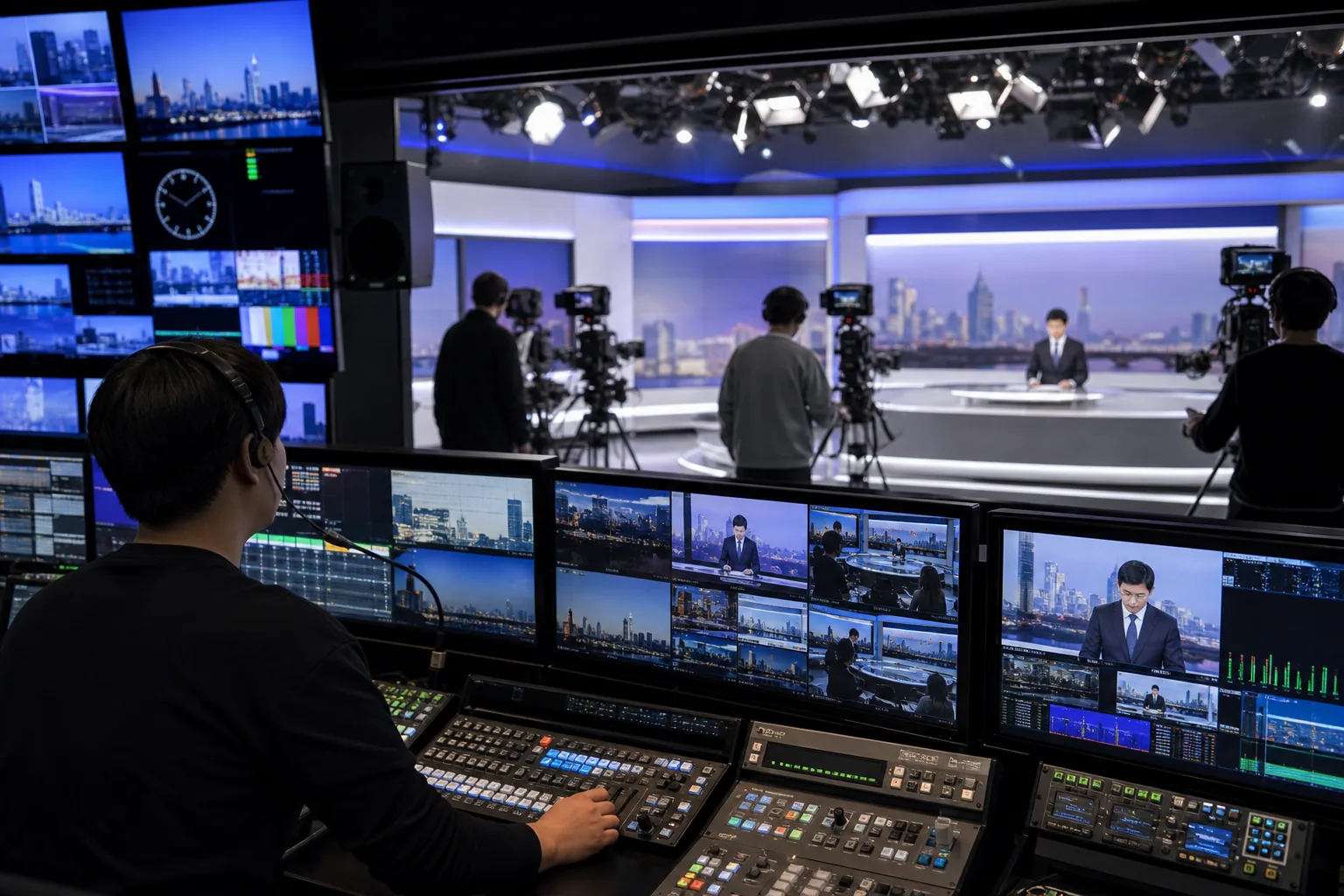
The central message from JTBC was that viewers and production partners should not expect the restructuring process to interrupt its core broadcasting work. The company said previously unstable production and programming conditions have been fully normalized, allowing regular broadcast and management activities to continue.
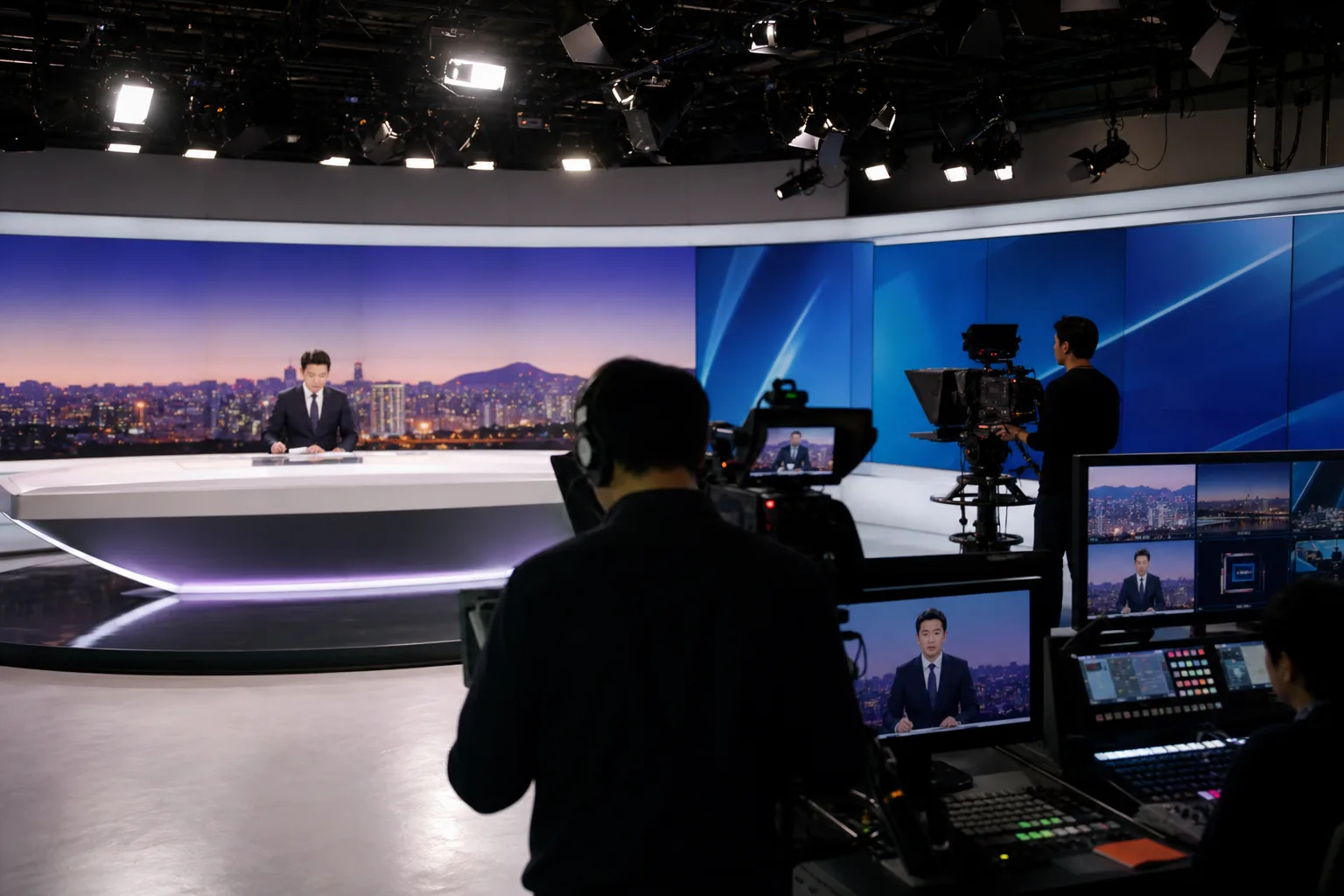
That assurance matters because JTBC is a major force in Korean entertainment, with a lineup spanning scripted dramas, variety shows, current-affairs programming, and cable television formats that often feed broader streaming and international interest. Any disruption at a broadcaster of that scale can affect production companies, cast members, crews, advertisers, and distribution partners.
JTBC also said it has been communicating with the creditor council through court mediation and direct individual channels. The company added that it is listening to individual creditors who have raised concerns through various routes, suggesting that the next phase will depend not only on financial analysis but also on how creditor expectations are managed.
Cost Cuts And Content Focus
As part of its stabilization effort, JTBC said it is cutting unnecessary expenses while concentrating on content production. That wording points to a balancing act familiar across the media industry: reducing costs without weakening the programs that generate audience attention, advertising value, and long-term brand strength.
The restructuring pressure follows a reported failure to repay securitized loans totaling 20.6 billion won, approximately $14.3 million. The situation contributed to rehabilitation filings involving JoongAng Holdings, JTBC, and other affiliates, after which JTBC’s ARS application was accepted and a decision on whether to begin rehabilitation proceedings was postponed.
ARS procedures are designed to give a debtor and creditors time to negotiate a voluntary restructuring framework under court supervision. For JTBC, the August accounting report is likely to be a key document because it can clarify the company’s financial position and guide discussions over repayment plans, creditor protections, and operational priorities.
What It Means For Korean Entertainment
For audiences, the immediate takeaway is continuity. JTBC is signaling that shows already in production or on air are not being treated as secondary to the financial process. For the entertainment business, however, the update confirms that financial restructuring remains an active issue behind the scenes.
The broadcaster’s ability to maintain normal scheduling while reducing costs will be closely watched. Korean television companies operate in a competitive market where production budgets, star casting, streaming rights, advertising softness, and global licensing all influence decision-making. Even when a company says operations are stable, financial constraints can shape what kinds of projects move forward and how aggressively they are promoted.
JTBC’s statement also arrives at a time when Korean dramas and variety formats remain central to the global Korean entertainment wave. Broadcasters are under pressure to keep producing distinctive content while adapting to changing viewer habits and a fragmented distribution market. A restructuring process at one of the country’s most recognizable media brands therefore carries significance beyond a single balance sheet.
For now, JTBC is presenting the ARS extension as a period for continued negotiation rather than a sign of broadcast disruption. The next major marker is the accounting report expected in August, after which the company and its creditors are likely to have a clearer basis for deciding how the restructuring path should proceed.



Join the Conversation
Log in to share your thoughts and join the conversation with other fans.