
Yeon Sang Ho Thriller Paradise Lost Reveals First Teaser Ahead of Toronto Premiere

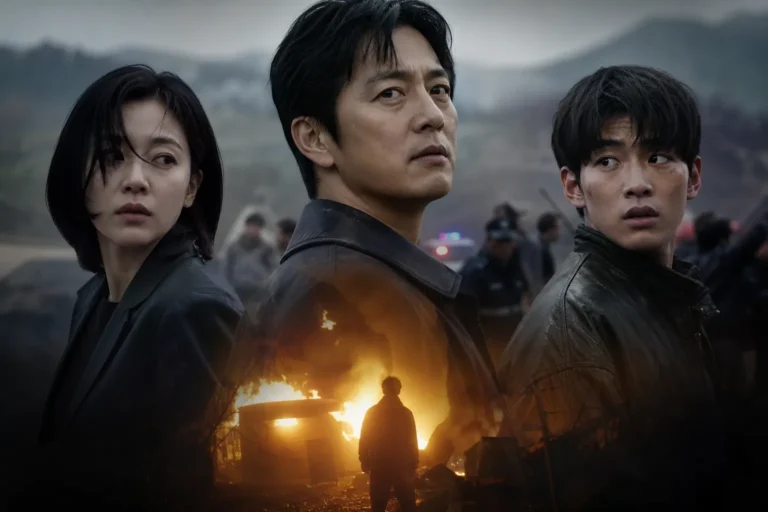
Director Yeon Sang Ho’s next feature, Paradise Lost, has moved into public view with the release of its first teaser and poster, setting up a thriller built around grief, artificial intelligence, and a disturbing family reunion. The film stars Kim Hyun Joo and Bae Hyeon Seong, and is now positioned for an international premiere before reaching Korean theaters later this year.
The story follows Ryu So Young, a mother whose son disappeared during a school camping-trip bus incident. Nine years later, the missing child, Sun Woo, returns home as a grown young man. What should be a miraculous reunion quickly becomes unstable, because So Young has spent the years of his absence soothing her loss through an AI program that let her interact with a childhood version of her son.
That premise gives Paradise Lost a sharper edge than a conventional missing-person mystery. The central question is not only where Sun Woo has been, but whether a mother who has survived by preserving an artificial version of her child can accept the unfamiliar adult now standing in front of her. The film appears to frame the household itself as a place of suspicion, with intimacy and fear occupying the same rooms.
A Family Reunion With A Psychological Turn
Kim Hyun Joo plays So Young, placing the mother’s unresolved trauma at the emotional center of the story. Her character is not simply waiting for answers; she has built a fragile routine around a digital reconstruction of the son she lost. When the real Sun Woo returns, that coping mechanism becomes part of the conflict rather than a background detail.
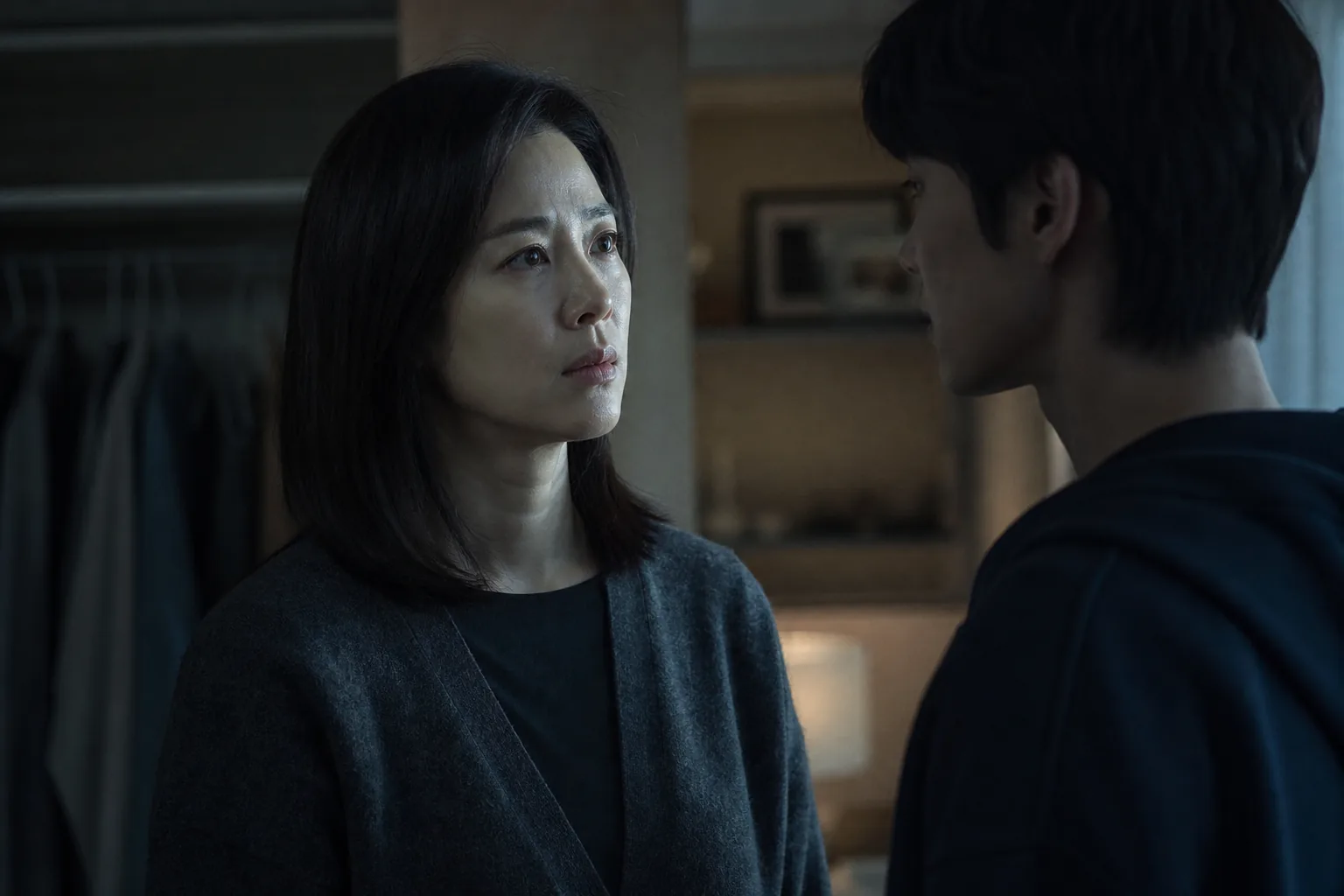
Bae Hyeon Seong portrays Sun Woo, whose sudden reappearance as an adult is designed to unsettle both his mother and the audience. The role places him in a deliberately ambiguous position: he is the person So Young most wanted back, but also the person she no longer fully recognizes. Their cohabitation after the reunion is expected to drive the film’s mounting tension.
The pairing also gives the project a clear dramatic anchor. Kim has previously worked with Yeon on Hellbound, one of the director’s major television projects, and their reunion adds continuity to a body of work that often uses genre storytelling to examine belief, panic, and social unease. Here, the focus appears narrower and more domestic, but the ideas are still large: memory, identity, technology, and the emotional cost of refusing to let go.
Yeon Sang Ho Returns To Genre Suspense
Yeon Sang Ho remains one of Korean screen entertainment’s most recognizable genre filmmakers, with credits that include Train to Busan, Peninsula, The Face, Parasyte: The Grey, Revelations, and the Hellbound series. His work often begins with a high-concept hook and then pushes characters into moral or psychological pressure. Paradise Lost appears to continue that pattern through a more intimate thriller setup.
The AI element also gives the film a timely contemporary angle. Rather than treating artificial intelligence only as a futuristic device, the plot uses it as a grief technology: a tool that can keep an image of the past emotionally available, even when that image may prevent the living from moving forward. In So Young’s case, the return of her son threatens the artificial relationship that helped her endure his absence.
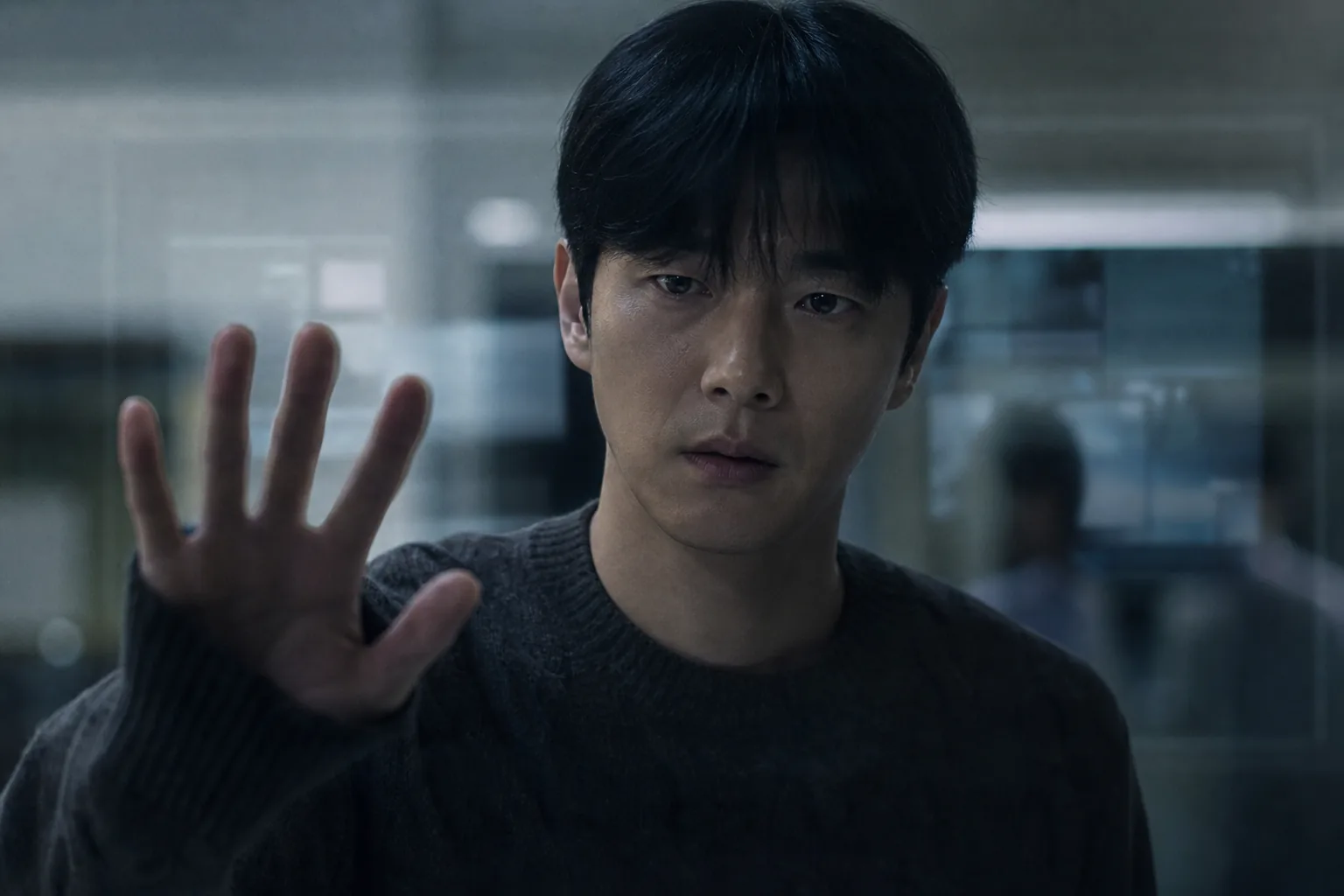
Paradise Lost has been invited to the Special Presentations section of the 51st Toronto International Film Festival, scheduled to run from September 10 to September 20 in Canada. The festival slot gives the film an early international platform and continues Yeon’s recent relationship with Toronto, following his previous visit with The Face.
After its festival premiere, the film is planned for a domestic theatrical release in October. The teaser and poster mark the beginning of a rollout that will likely emphasize both the director’s genre reputation and the emotional hook of a mother facing the impossible return of a child who may no longer match the son she remembers.
For Korean film audiences, Paradise Lost arrives at the intersection of several strong currents: star-driven drama, technology anxiety, and the global festival visibility of Korean genre cinema. Its first materials suggest a film less interested in easy reunion sentiment than in the discomfort that follows when the past comes home changed.


Join the Conversation
Log in to share your thoughts and join the conversation with other fans.