
G-Dragon Links K-Pop Influence to World Heritage Protection at UNESCO Ceremony in Busan

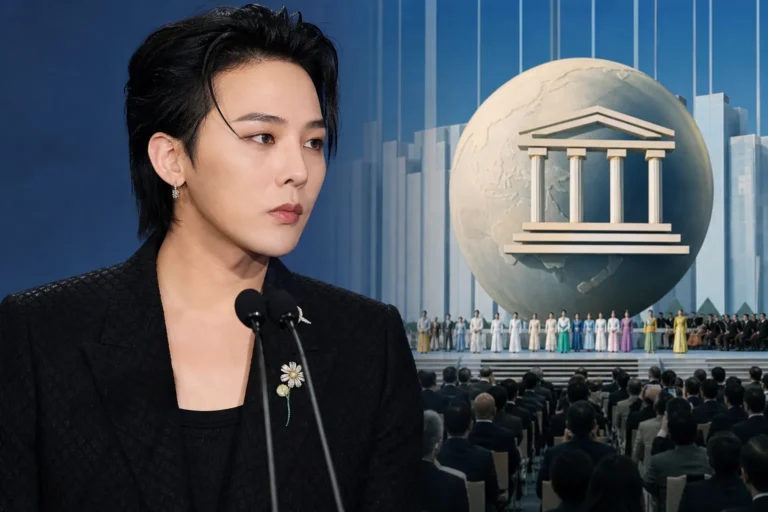
G-Dragon brought K-pop’s global visibility into a diplomatic setting in Busan, using his appearance at a UNESCO ceremony to argue that protecting cultural heritage is also a commitment to peace.
The BIGBANG member attended the opening ceremony for the 48th session of the UNESCO World Heritage Committee at BEXCO in Busan on July 19 as an official promotional ambassador. The session is notable as the first World Heritage Committee meeting hosted in South Korea, placing the country at the center of a major international discussion on how historic sites are preserved, evaluated, and protected.
In remarks delivered at the event, G-Dragon framed heritage conservation as more than the maintenance of monuments or records. His message linked the past to future responsibility, emphasizing that cultural memory can help societies imagine peace rather than simply remember conflict. For an artist whose career has long moved between pop music, fashion, and contemporary art, the speech positioned culture as a practical force in public life, not only as entertainment.
A K-Pop Figure in a Heritage Role
G-Dragon’s role at the ceremony reflects the increasingly visible overlap between Korean pop culture and the country’s broader cultural diplomacy. K-pop stars have often acted as informal ambassadors by bringing Korean language, aesthetics, and creative industries to global audiences. In Busan, however, the artist’s platform was tied directly to an institutional message: encouraging public attention to World Heritage sites and the challenges that threaten them.
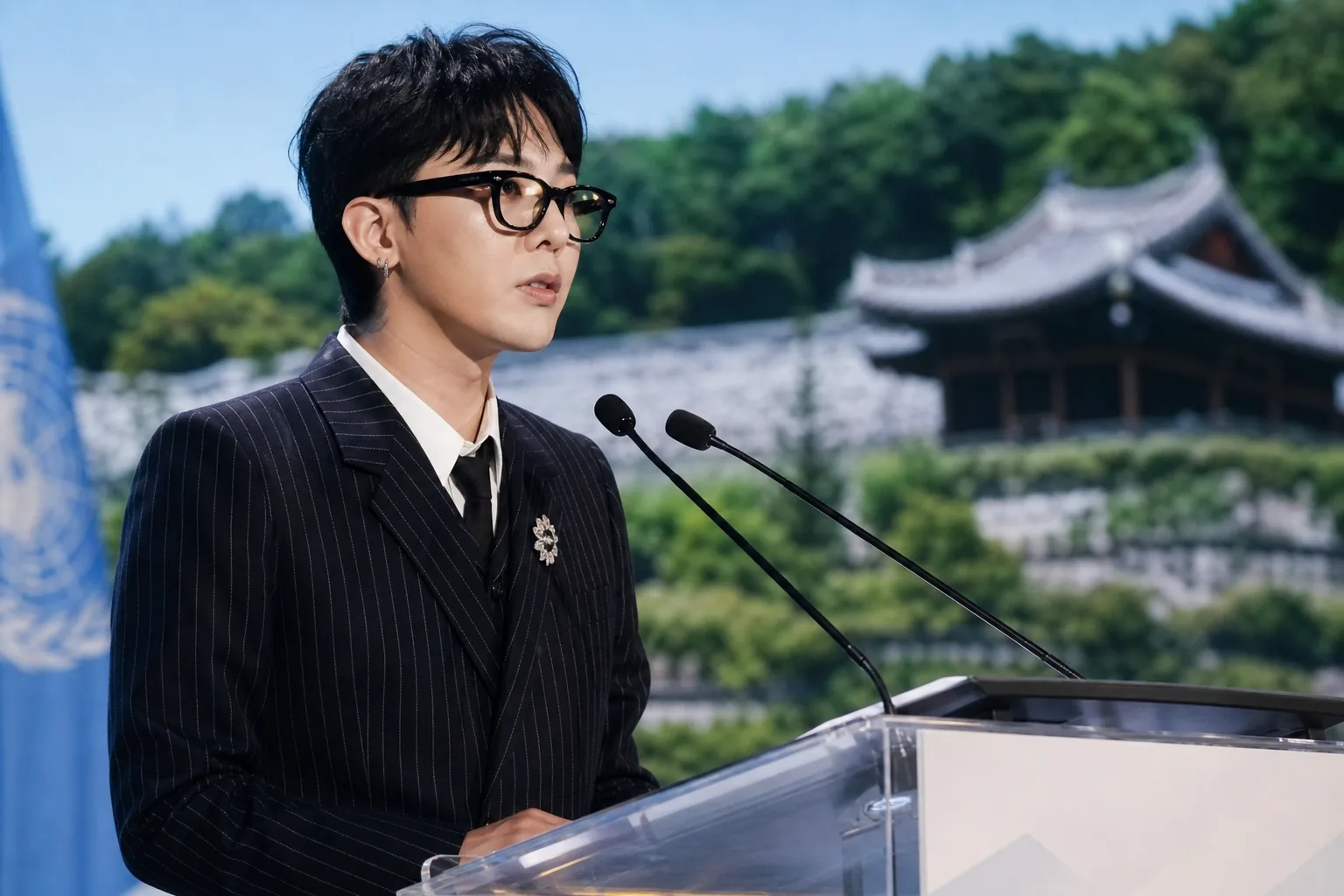
According to the report, G-Dragon thanked UNESCO for its long-running work to protect culturally significant places around the world. He also highlighted Busan’s symbolic importance, noting the city’s transformation from a site marked by wartime hardship into one associated with recovery, openness, and peace. That theme fit the venue’s larger purpose, as the World Heritage Committee brings together representatives and experts to review the status of heritage locations and consider new nominations.
The choice of Busan added historical weight to the speech. The city is home to the United Nations Memorial Cemetery, a site connected to the Korean War and international remembrance. By drawing attention to Busan’s history, G-Dragon connected local memory with the global mission of UNESCO, suggesting that places shaped by conflict can become reminders of cooperation when preserved and understood carefully.
Heritage Under Pressure
The singer also addressed threats facing cultural sites, including war and climate change. Those issues have become central to heritage debates worldwide, as armed conflict can damage or erase landmarks while rising temperatures, storms, flooding, and environmental change place older structures and landscapes under growing strain. His remarks emphasized that even small contributions can matter when they are joined by wider public participation.
That point is significant because celebrity advocacy often works by expanding the audience for issues that might otherwise remain within specialist circles. G-Dragon did not present himself as a policy expert; instead, he used his public role to draw attention to the emotional and civic value of preservation. The underlying argument was that art can move people, and that public feeling can support the long-term work of protecting places that carry shared history.
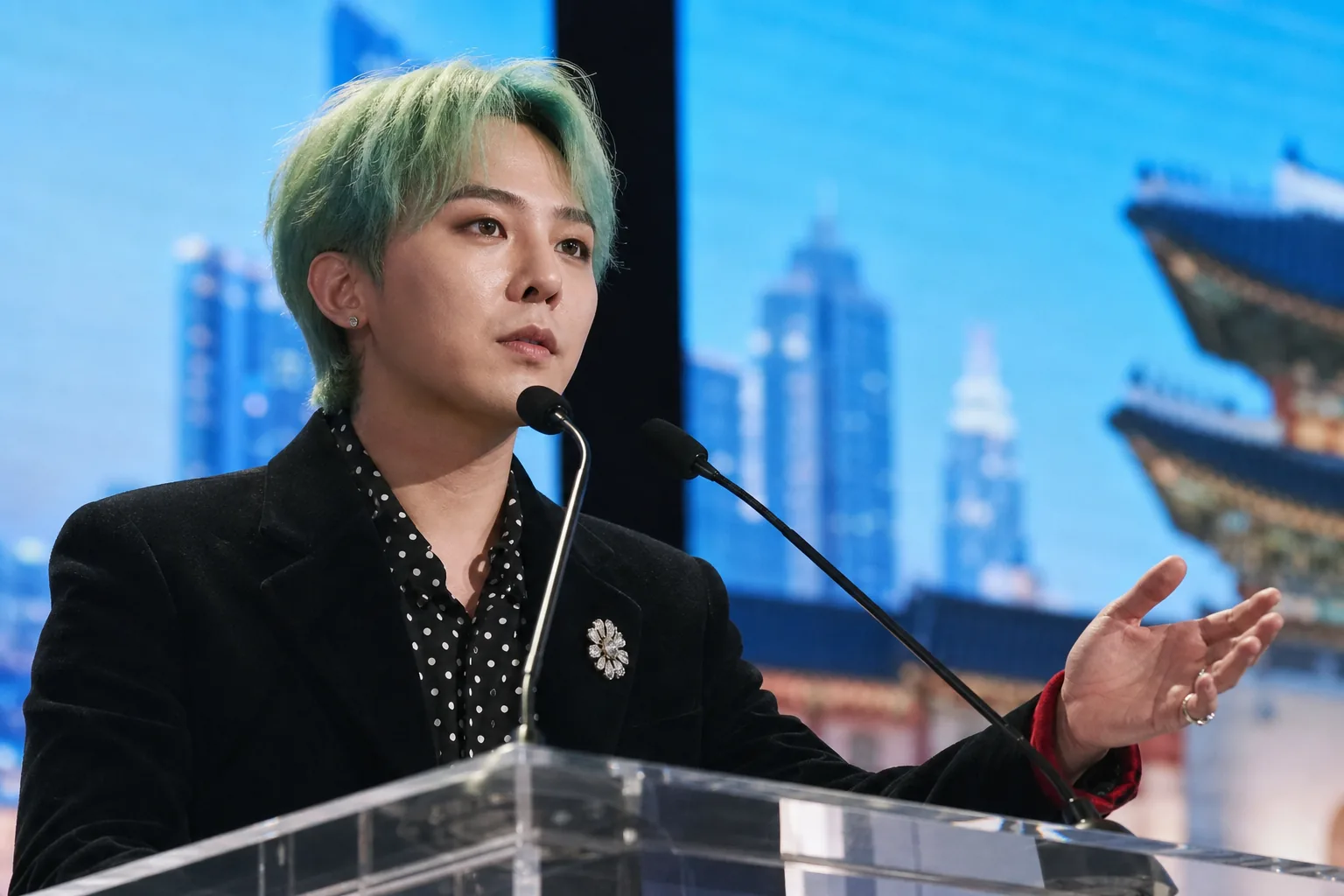
His appearance also drew attention for its visual presentation. The report described him arriving with bright blond hair, a white suit, a blue handkerchief, and nail art featuring the Korean flag. In a formal international setting, the styling created a distinctly contemporary image of Korean cultural identity: polished, symbolic, and unmistakably connected to the world of pop culture.
Why the Moment Matters
For fans, the ceremony offered another example of G-Dragon’s influence beyond the stage. For the Korean entertainment industry, it showed how major artists can be invited into conversations that extend past album releases, concerts, or brand campaigns. The moment also arrived as Korean music, film, television, and fashion continue to operate as major parts of South Korea’s international soft power.
The World Heritage Committee’s first South Korean session gives that soft power a formal backdrop. While the committee’s work is administrative and expert-led, public attention can shape how people understand the value of heritage protection. A figure like G-Dragon can bring younger and broader audiences into that conversation, especially those who may first encounter UNESCO’s work through entertainment news rather than policy coverage.
The Busan appearance ultimately placed a simple idea at the center of a high-profile cultural moment: heritage is not only something inherited, but something actively protected. By tying preservation to peace, climate awareness, and collective effort, G-Dragon used his ambassador role to make a global issue feel immediate to the audience that follows him.



Join the Conversation
Log in to share your thoughts and join the conversation with other fans.