

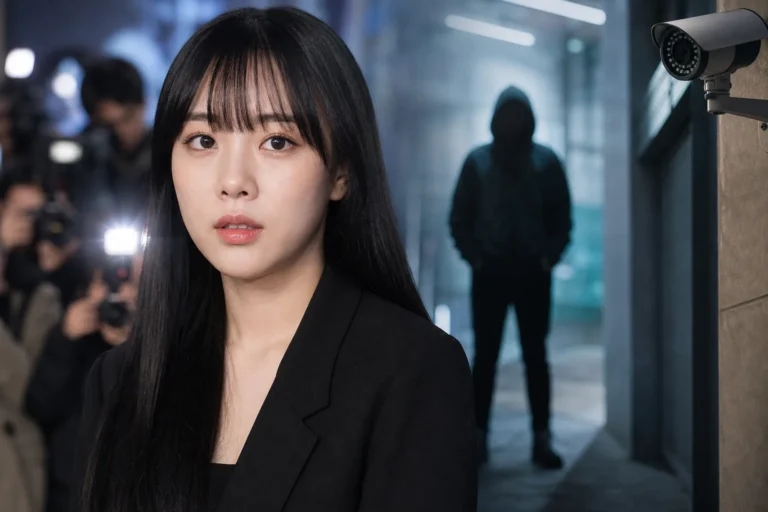
KARA member Heo Young Ji has spoken publicly about a stalking ordeal that she says continued for seven years, describing how one person’s fixation expanded beyond her own daily life and affected her family as well.
The singer and television personality shared the account during a recent broadcast focused on real-life crimes occurring around people’s homes. Her comments added a personal and unsettling example to a broader conversation in Korean entertainment: how quickly fan access, public schedules, and family visibility can become safety risks when boundaries are ignored.
Heo said the stalking began in 2016 and continued for years. The person allegedly followed her, repeatedly appeared at a cafe operated by her family, and behaved in ways that initially appeared to her parents to be ordinary support from a fan. Over time, the situation became more disturbing as the individual appeared to interpret basic courtesy as proof of a special connection.
Family Members Were Also Targeted
The account was especially alarming because the alleged harassment did not remain limited to Heo. She said the person obtained sensitive information connected to her family, including vehicle license plate numbers, and also secured contact details for relatives. Her older sister and parents were contacted directly, turning what began as attention toward a public figure into a source of fear for people around her.
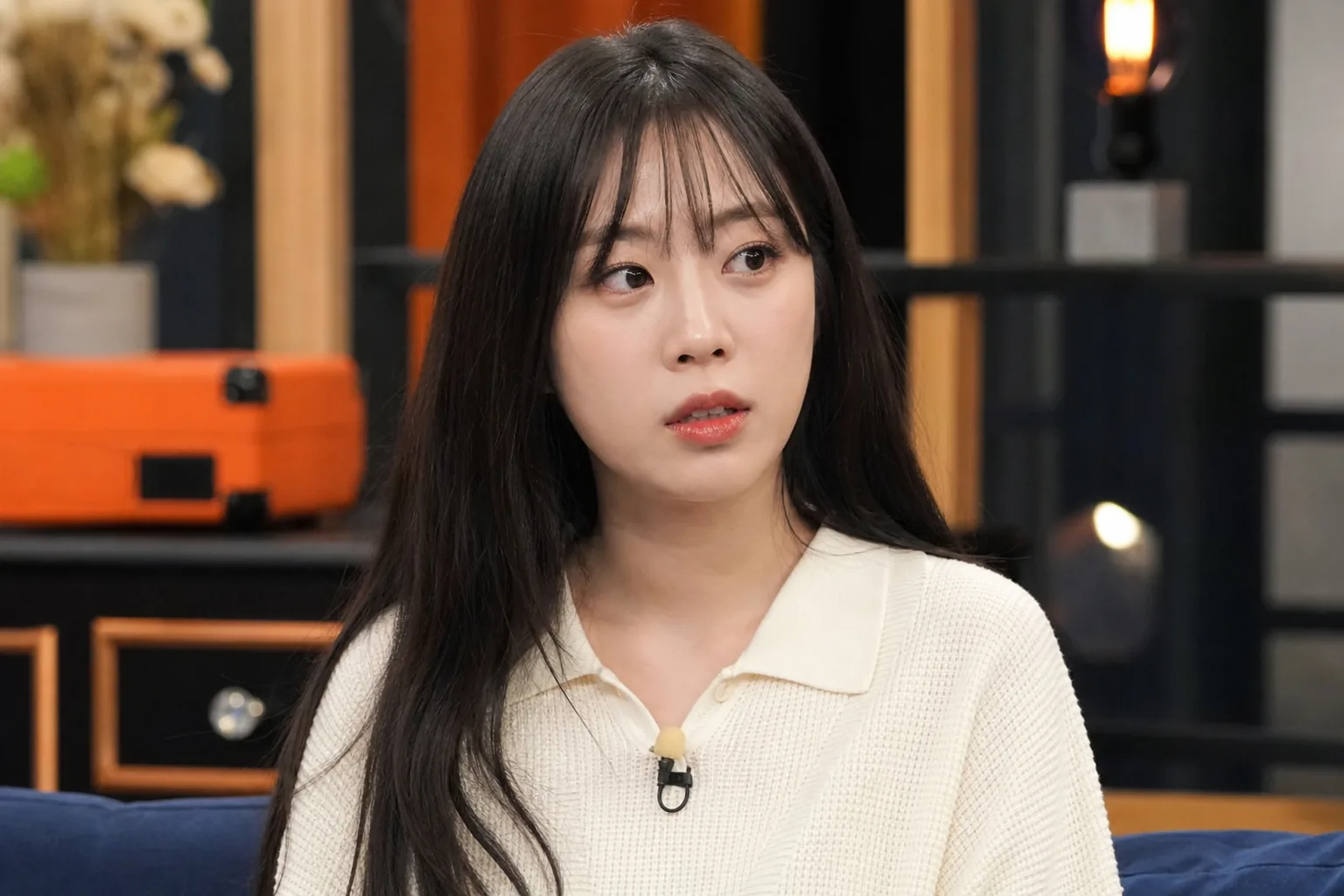
That pattern highlights a common pressure faced by celebrities whose relatives run businesses or maintain visible lives outside the entertainment industry. Fans may know where a family shop is located, recognize relatives from social media, or approach them in person with the expectation that closeness to a celebrity gives them special access. For victims, the result can be a feeling that no private space is fully separate from public life.
Heo said the situation escalated further after other fans criticized the individual’s behavior. The person then sent a threatening message claiming a desire to kill people who were jealous of the supposed relationship. That detail, as described by Heo, shifted the account from obsessive attention into a more direct expression of danger, leaving those who heard the story visibly shocked.
Why Legal Action Was Difficult
Heo also described the frustration of seeking a legal response. She consulted a lawyer in 2020, but said pursuing punishment was difficult at the time because physical harm had not occurred and stronger anti-stalking protections were not yet in place. Her experience points to a gap that victims have often described: the period before violence can still involve sustained fear, surveillance, unwanted contact, and threats.
South Korea has since placed greater public focus on stalking as a crime, but entertainment figures remain particularly exposed because their work depends on visibility. Airport appearances, broadcasts, concerts, fan events, cafes, and social platforms can all create repeated points of contact. When a person treats those openings as permission to intrude, the burden often falls on the artist and their family to document incidents, adjust routines, and endure anxiety while waiting for stronger intervention.
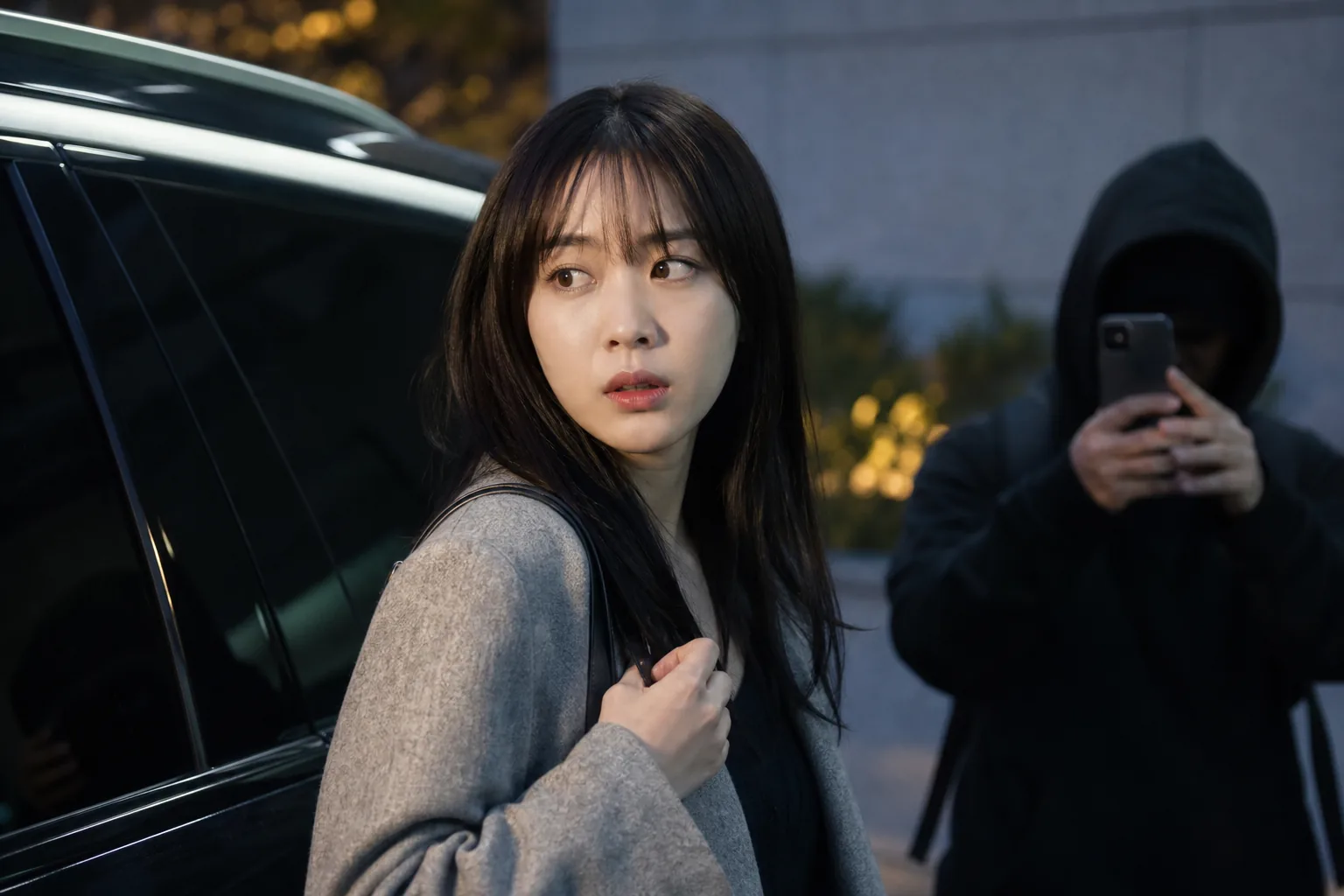
The case also shows why agencies, broadcasters, and event organizers continue to face scrutiny over security protocols. While many fans interact respectfully, a single obsessive individual can create years of disruption. Protective measures such as private schedule control, stronger reporting channels, venue security, and clearer consequences for invasive behavior are increasingly viewed as basic safeguards rather than special treatment.
A Reminder About Boundaries In Fandom
Heo’s disclosure is not just a personal confession from a veteran idol; it is a reminder that celebrity does not erase the right to privacy. Public affection, album support, and fan enthusiasm become harmful when they cross into tracking, repeated unwanted visits, private information gathering, or attempts to contact family members.
For K-pop artists, the relationship between fans and performers is often built on warmth and accessibility. That closeness can be meaningful when it is voluntary and respectful. Heo Young Ji’s story underlines the other side of that dynamic: when imagined intimacy replaces consent, the consequences can last for years and affect people far beyond the stage.

Join the Conversation
Log in to share your thoughts and join the conversation with other fans.