
SBS Drama Kim Chairman Breaks 20 Percent As AI Action Scene Draws Industry Attention

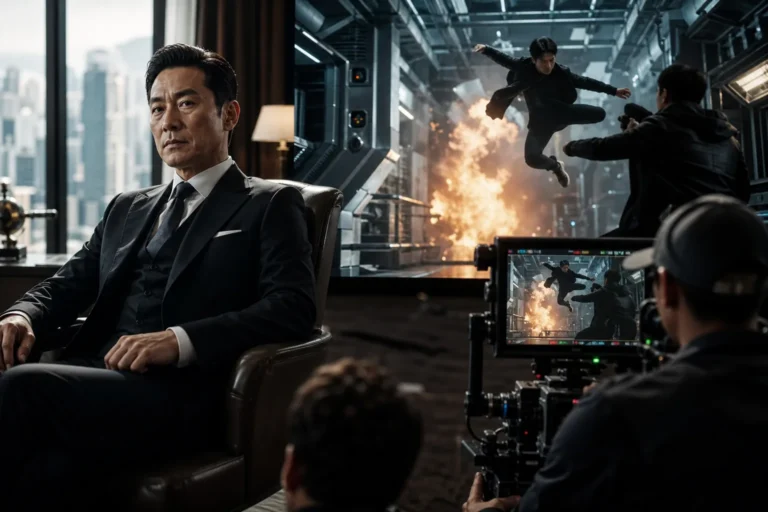
SBS’s Friday-Saturday drama Kim Chairman has become one of the clearest Korean television breakout stories of the summer, crossing the 20 percent national ratings mark while expanding discussion beyond its plot and cast into how major dramas may be made in the AI era.
According to coverage citing Nielsen Korea, the fifth episode, which aired on July 10, recorded 20.5 percent nationwide, 21 percent in the Seoul metropolitan area, and a peak real-time rating of 23.1 percent. The report also noted a peak 2049 rating of 6.6 percent, an important measure for advertisers because it tracks viewers in a commercially prized age bracket.
Those numbers placed Kim Chairman at the top of this year’s miniseries field and made it the highest-rated program of the week across television, a striking achievement for a series that has built momentum quickly rather than relying only on pre-release curiosity. The drama had already been described as a strong performer after earlier episodes, but the latest figures suggest that casual viewers are now joining the core audience.
A Ratings Breakout Built On Urgency
The latest episode centered on Kim Chairman, played by So Ji Sub, pushing forward in a desperate search for his daughter Min Ji, played by Seo Su Min. The story moved through a tense container-port sequence, with Kim confronting Kim Sang Man and demanding answers while allies Sung Han Soo and Park Jin Cheol worked against pursuit by a special unit.
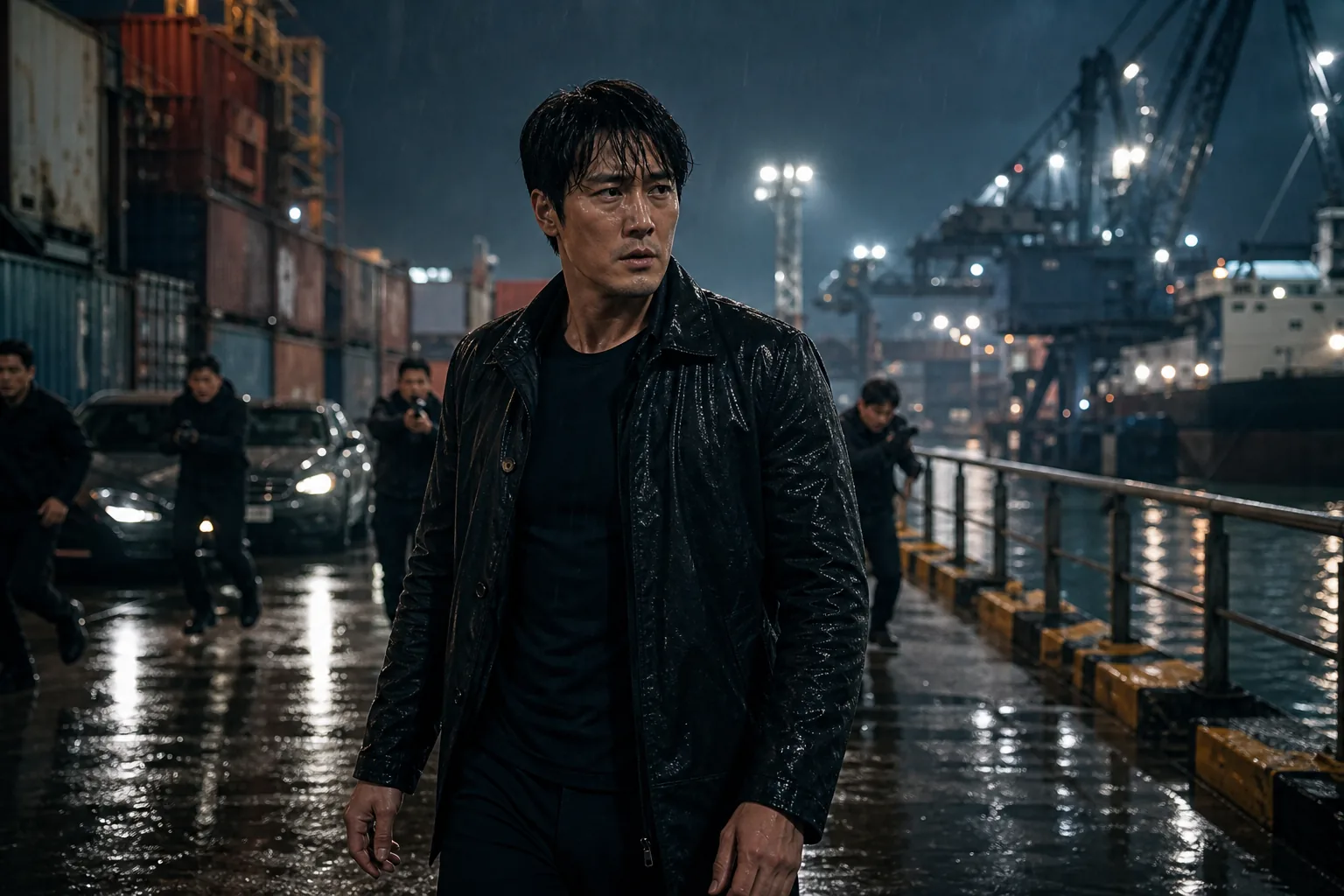
The cliffhanger added another layer of unease. Min Ji, wandering in the rain and seeking help, climbed into a car that was revealed to belong to Joo Kang Chan. For a drama already driven by parental fear, revenge, and institutional pressure, that ending gave viewers a direct reason to return for the next episode.
Part of the appeal appears to be the show’s unusually direct mix of action and family emotion. Rather than presenting So Ji Sub’s character only as a capable fighter, the series frames each confrontation around his panic, guilt, and anger as a father. That emotional throughline has helped the drama’s high-stakes sequences feel accessible even to viewers who do not usually follow action-heavy thrillers.
The AI Scene That Changed The Conversation
At the same time, Kim Chairman is drawing a separate kind of industry attention because of a three-minute action flashback that was reportedly created without a conventional shoot. Munhwa Ilbo reported that the sequence in the second episode, involving a car chase, gunfire, hand-to-hand combat, a vehicle overturning, and a fall into water, was produced as a fully AI-generated scene by domestic visual effects specialists using the generative AI platform AICRON.
The production team reportedly disclosed at the start of the drama that AI-based technology had been used in part of the production process. Still, what made the scene notable was how little friction many viewers appeared to notice while watching it. After the production details became known, online reaction focused not only on surprise, but also on what this could mean for performers, crews, and visual effects workflows.
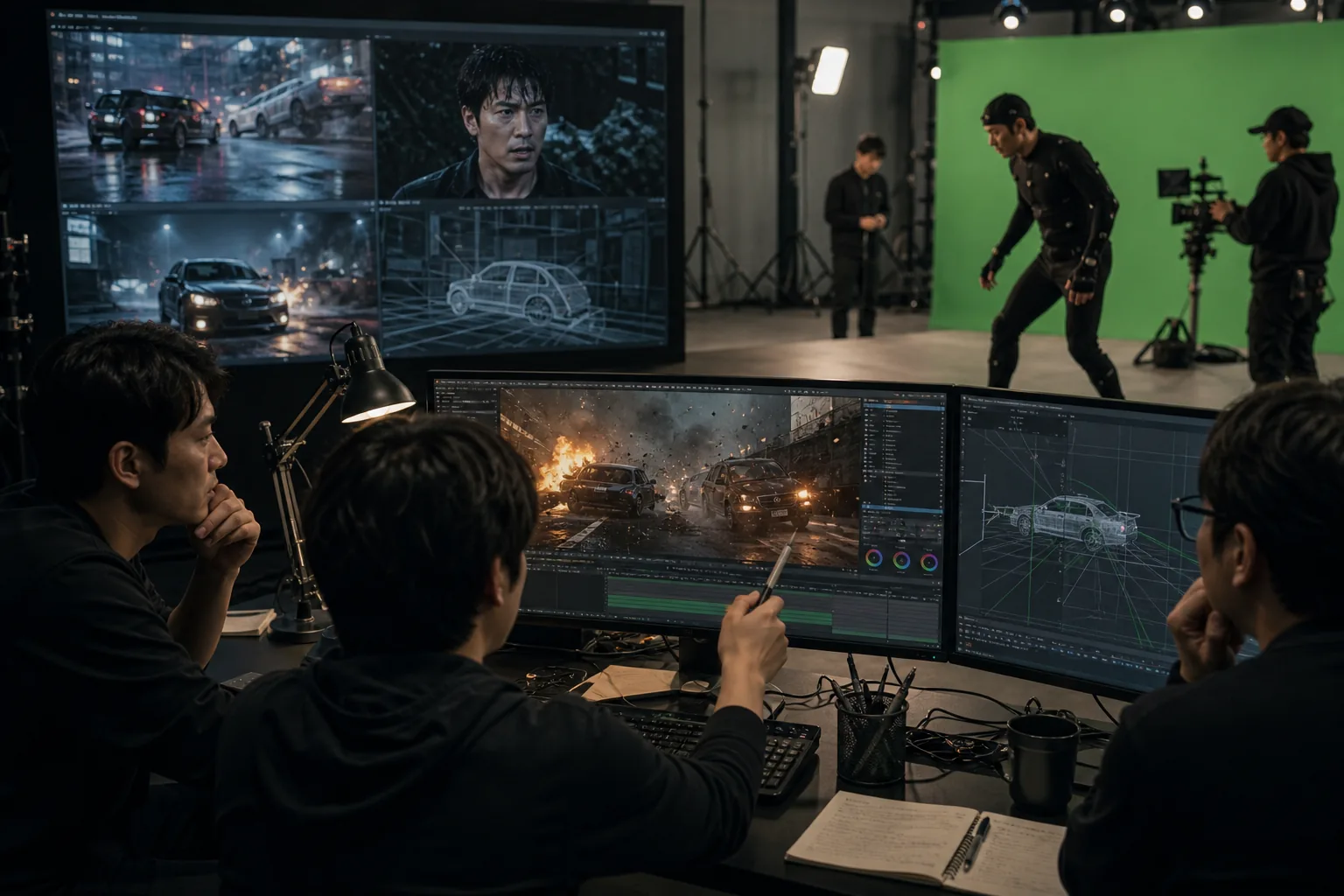
For producers, the appeal is clear. A scene involving vehicles, outdoor locations, stunts, effects work, water, and multiple safety controls can be expensive and logistically difficult. If AI tools can create usable footage while preserving character consistency and close-up detail, they may become more common in scenes that would otherwise be scaled down, rewritten, or cut entirely.
That possibility also raises familiar concerns. Korean drama production already operates under tight schedules, intense audience feedback cycles, and rising competition from global streaming platforms. AI could reduce costs and give smaller teams more visual ambition, but it could also sharpen questions about labor, disclosure, actor likeness, and how much human performance viewers expect in emotionally driven stories.
Why The Timing Matters
The timing of the ratings rise makes the AI debate more visible. If Kim Chairman were struggling, the AI sequence might have been treated as a side note or a production experiment. Instead, the drama is gaining mainstream traction, which means the technical choices behind it are now attached to a hit. That changes how the industry is likely to read the case.
For SBS, the immediate win is straightforward: a drama with strong weekly buzz, a bankable lead performance, and numbers that show broad public interest. For the wider Korean entertainment business, the show may become a reference point in a larger conversation about how generative technology can be used in commercial television without breaking audience trust.
The next test is whether Kim Chairman can sustain both its ratings and its dramatic tension. The series has already pushed its central rescue plot into dangerous territory, and viewers now have practical questions as well as emotional ones: where Min Ji ends up, how far Kim will go, and whether the show’s production innovations remain invisible enough to support the story rather than overshadow it.
For now, the drama has achieved something rare. It has delivered a ratings headline, a cliffhanger that keeps the audience engaged, and a production debate that reaches beyond one episode. In a crowded Korean television market, Kim Chairman is no longer just another action drama with a famous lead. It is a live case study in how audience appetite, star power, and new production technology can collide in real time.



Join the Conversation
Log in to share your thoughts and join the conversation with other fans.