
Ock Joo-hyun Sparks Debate With Blunt Criticism of Autotune in Broadcast Performances

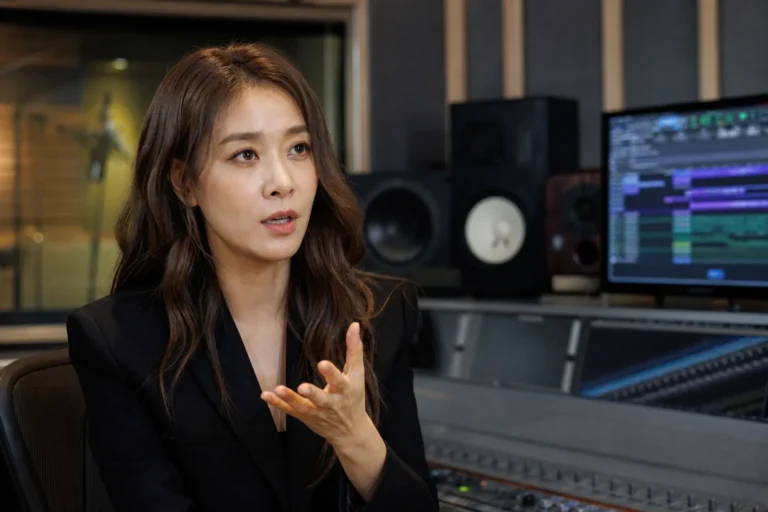
Ock Joo-hyun has placed live vocals back at the center of Korean entertainment discourse after making unusually blunt remarks about the use of autotune in broadcast performances. The singer and musical actress, who first rose to fame as a member of Fin.K.L before building a long stage career, drew wide attention after comments shared through a fan messaging platform spread online.
Her core argument was direct: editing tools, in her view, have become so common that weak live singing can be disguised for television and online clips. Ock said people who care about live vocals have grown frustrated because performances can be heavily corrected after the fact, making it harder for audiences to tell who can actually deliver without production support.
The remarks quickly became controversial because she did not frame the issue as a mild complaint about technology. Instead, she described the current standard as strange and argued that performers who rely on heavy correction should not be allowed to grow within singing careers without improving. She also said she did not want to interact with artists she believes benefit from that kind of editing, a line that many readers saw as especially severe.
A Debate About More Than One Singer
Although Ock did not name specific performers, her comments landed in a sensitive area for both K-pop and musical theatre. Live singing has always been a major benchmark for idol groups, soloists, and stage actors, but the modern performance ecosystem is complicated. Music shows, variety programs, concert films, promotional clips, and social media edits can all present different versions of the same performance.
That makes the debate less simple than a question of whether technology is good or bad. Pitch correction can be used lightly to polish an otherwise strong take, and many viewers accept that televised entertainment is produced for consistency. The criticism becomes sharper when audiences believe editing is being used to create a misleading impression of skill, especially while artists who sing fully live face harsher judgment for small mistakes.
Ock also connected the issue to musical actors appearing on broadcast programs. According to the remarks reported by Koreaboo, she claimed that many musical performers use noticeable correction on television and said that even singers in the field talk about such cases. Because she has worked in both popular music and musical theatre, she appeared to position herself as someone able to comment across those two industries.
Why The Reaction Split So Quickly
Online reaction was divided. Some netizens agreed with the substance of her argument, saying that audiences should be able to tell the difference between real live ability and a heavily edited performance. For those viewers, Ock was articulating a frustration that often surfaces whenever idols or actors are praised for clips that may have passed through significant post-production.
Others criticized the tone. Even among people who accepted that autotune can distort public perception, there was pushback against the way she spoke about other performers. Several reactions focused less on the technical point and more on whether a senior artist should discuss colleagues, juniors, or unnamed industry figures in language that sounds dismissive. The divide showed how quickly a standards debate can become a personality debate when the comments are this pointed.
The controversy also reflects a broader tension in Korean entertainment fandom. Fans often demand stable live vocals, but the same online environment can punish imperfections harshly. A shaky note, breath control issue, or missed phrase can circulate for days. That creates pressure on agencies and broadcasters to polish audio, while also feeding skepticism about whether any performance is truly live.
For musical theatre, the stakes are different but still significant. Stage audiences typically expect vocal strength because performers must carry live shows repeatedly, often with high ticket prices and limited room for correction. When artists from that world appear on television, however, they enter the same broadcast pipeline as everyone else. Ock’s comments suggest frustration that the reputation of stage singers can be either inflated or diminished by edited appearances.
What The Conversation Leaves Behind
The immediate news is the backlash and support around Ock Joo-hyun’s statements, but the lasting conversation is about transparency. Viewers do not necessarily reject production polish; many understand that television is edited. What they resent is confusion over what kind of performance they are being asked to admire. A clip labeled or promoted as live carries a different expectation than a studio-enhanced broadcast segment.
Ock’s delivery may remain the most disputed part of the story, especially because unnamed criticism can leave entire groups of performers feeling targeted. Still, the response shows that live vocals remain one of the most emotionally charged measures of legitimacy in K-pop and Korean musical entertainment. The more advanced production tools become, the more fans seem to want clarity about where artistry ends and correction begins.


Join the Conversation
Log in to share your thoughts and join the conversation with other fans.