
Pungja TV Clip Sparks Debate After Menstrual Cramps Joke Is Challenged On Air

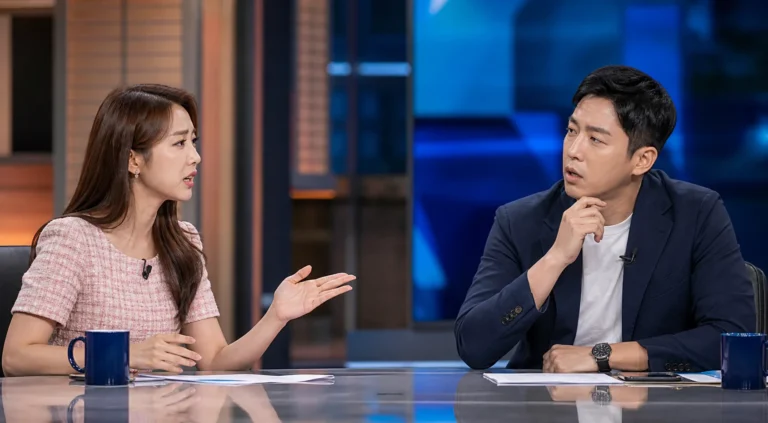
A short exchange on Pungja TV has become the latest Korean entertainment moment to draw wider attention online, after broadcaster and comedian Shin Gi Ru directly challenged a joke made by transgender YouTuber Pungja about menstrual cramps.
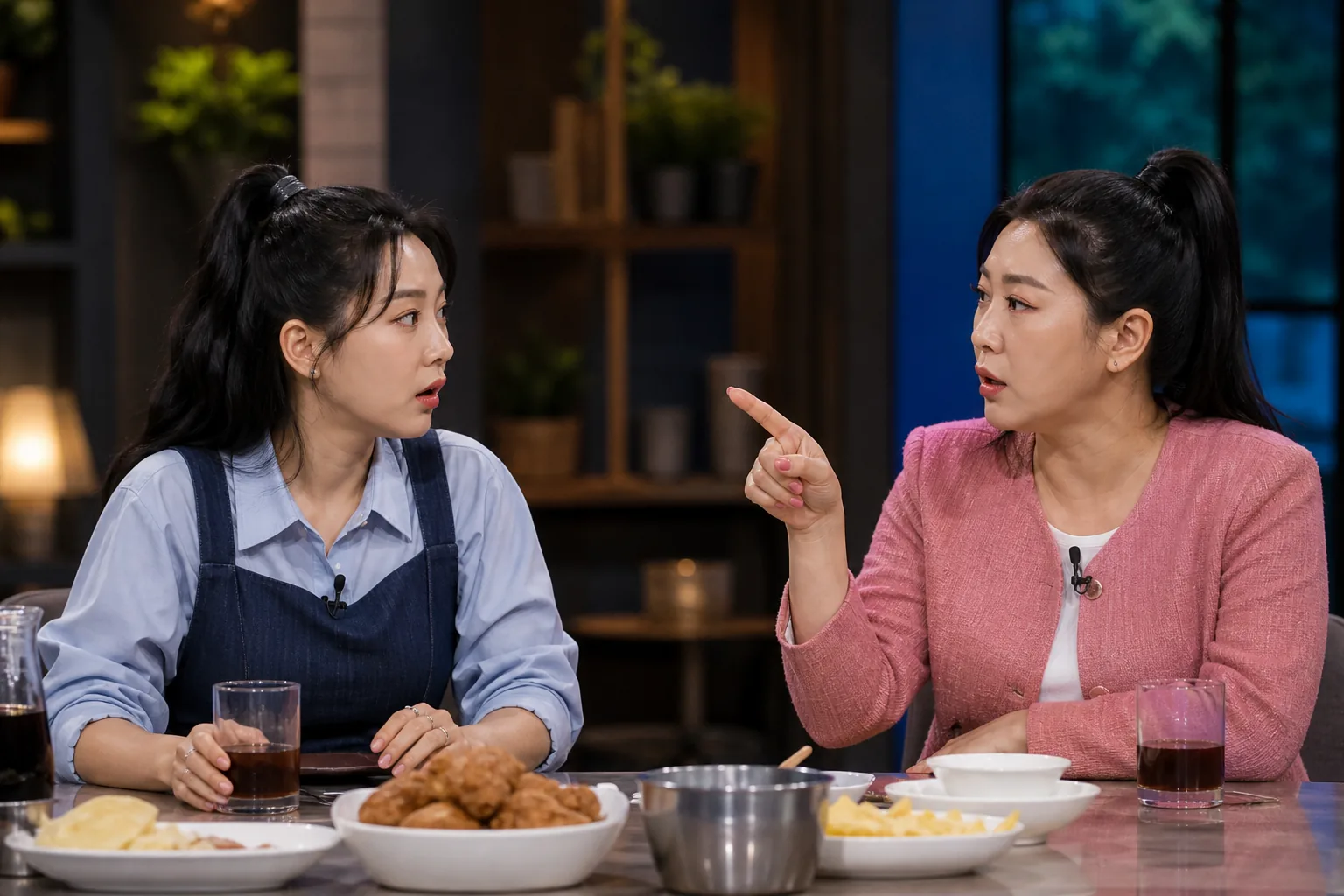
According to a Koreaboo report, the moment appeared in a July 7 video on Pungja’s YouTube channel titled Yes. I won’t do it. The clip showed Pungja and Shin Gi Ru eating chicken and drinking together in the relaxed style common to celebrity talk content, where casual remarks can quickly become the center of public debate once they are clipped and shared.
The exchange began when Shin noticed that Pungja appeared unusually full and commented that she was not used to seeing her that way. Pungja responded by referring to menstrual cramps and saying she was in pain. Shin then pushed back, saying she thought transgender people do not menstruate, and explained that she felt the point needed to be made clearly because viewers, including people interested in transgender issues, could misunderstand.
A Joke Meets A Real-Time Correction
The moment stood out because Shin did not simply laugh along or move past the line. She framed her response as a clarification, saying she knew about transgender-related information and did not want the audience to take the joke literally. Pungja appeared surprised by the direct comment and acknowledged that a thoughtless remark had come back to her more forcefully than expected.
That quick back-and-forth has placed the clip in a familiar but increasingly important category for Korean entertainment: unscripted humor that lands differently once it reaches a broader online audience. YouTube talk shows often rely on looseness, teasing, and exaggeration, but those same qualities can become sensitive when the subject touches on identity, health, or public understanding of marginalized communities.
Pungja is one of South Korea’s most visible transgender broadcasters, having debuted as a transgender YouTuber in 2019 before expanding her presence across entertainment programs and online formats. Her visibility has made her an important figure in a media environment where transgender celebrities remain rare, which also means her offhand comments can attract scrutiny from viewers who see her as representing more than only herself.
Why The Clip Drew Attention
The discussion around the video is not only about whether one joke was funny. It also reflects a broader expectation that public figures speak with care when joking about bodies and medical experiences. Menstruation is a specific biological process, and casual remarks about it can create confusion when they are presented in a setting where audiences may not separate exaggeration from factual information.
At the same time, the clip shows the complicated position entertainers occupy in conversational content. Pungja’s brand has often included candid humor, self-deprecation, and a willingness to speak openly about her life. That style is part of why audiences respond to her. But in a media cycle that often extracts a few seconds from a longer conversation, even a passing joke can become a standalone controversy.

Shin’s response has therefore been read by many viewers as a rare example of an on-air correction happening immediately, rather than after backlash has already grown. By saying that aspiring transgender viewers and people in the LGBT community might misunderstand, she turned the conversation from simple teasing into a statement about public responsibility. The tone remained part of a casual entertainment setting, but the correction itself was unusually direct.
The incident arrives as Korean online entertainment continues to blur the line between private-style banter and public broadcast. YouTube channels can feel informal, especially when celebrities are eating, drinking, and joking with friends. But the audience is still public, clips circulate quickly, and the social impact of a remark can extend far beyond the room where it was made.
Comedy, Identity, And Audience Trust
For viewers, the key question may be less about punishing a single line and more about how entertainers respond when a joke creates confusion. Pungja’s reply suggested that she recognized the comment as careless, while Shin’s correction gave the audience a factual frame in the moment. That combination may prevent the clip from becoming only a backlash story, leaving room for a more nuanced conversation about comedy and accuracy.
The attention also highlights the pressures placed on transgender public figures in Korean media. When visibility is limited, individuals can be treated as representatives of an entire community, even when they are appearing in light entertainment. That expectation can be unfair, but it also explains why viewers respond strongly when statements involving transgender identity and bodily experience appear imprecise.
For Pungja TV, the episode is a reminder that the appeal of unscripted talk content comes with a sharper responsibility. Audiences often value spontaneity, but they also expect public figures to avoid spreading misunderstandings, especially on topics where misinformation already exists. The fact that the correction happened inside the clip itself may become the most significant part of the discussion.
As the video continues to circulate, the broader takeaway is that Korean entertainment audiences are increasingly attentive to how humor handles identity. A joke that once might have passed as a throwaway line can now become a public test of context, correction, and trust between entertainers and viewers.



Join the Conversation
Log in to share your thoughts and join the conversation with other fans.