
Actress Lee Ji-hye Warns Fans About AI-Generated Fake Ads That Use Her Face to Scam People

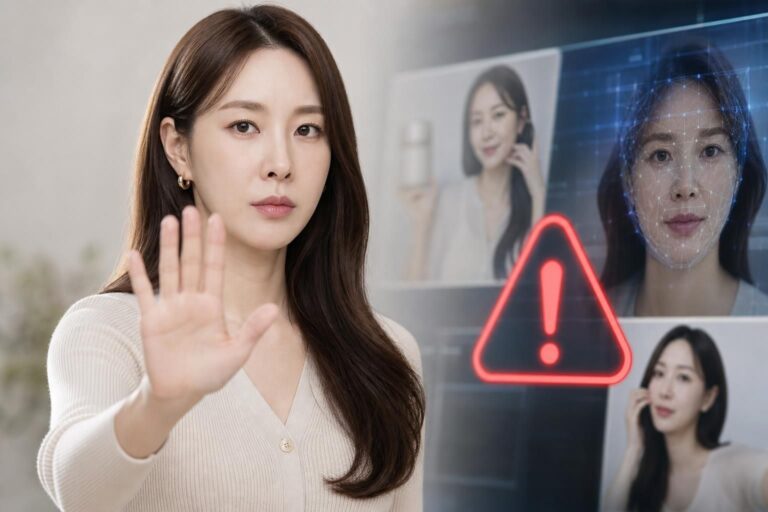
A popular South Korean actress, Lee Ji-hye, has issued a public warning after discovering AI-generated fake advertisements using her likeness that appear online to promote products and push viewers toward suspicious links.
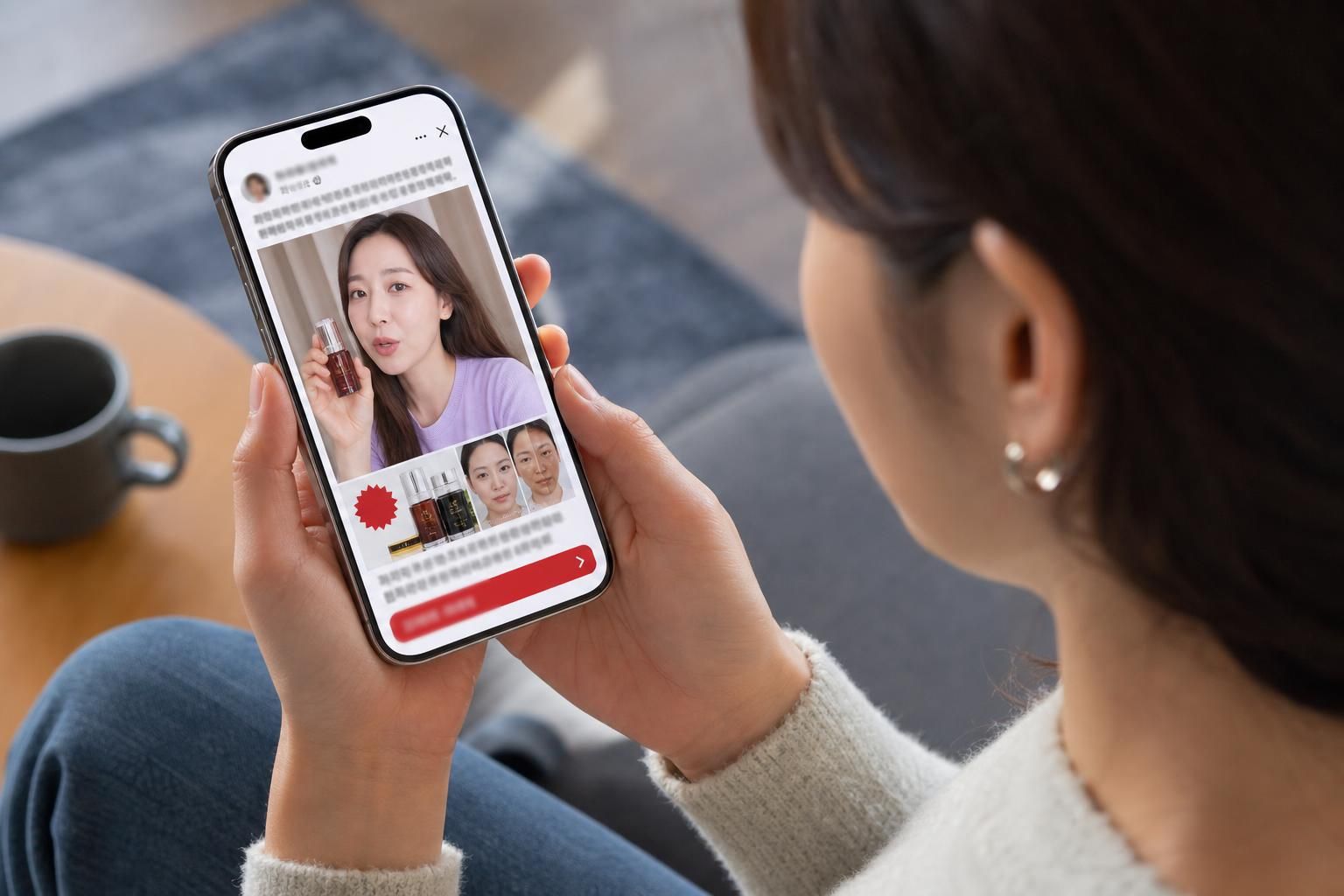
According to Lee Ji-hye’s post on Instagram, she has been seeing multiple short-form clips and ad banners online in which she appears to endorse items—ranging from sweet potatoes to underwear—while the promotional overlays also reference her popular YouTube channel to make the content look more legitimate.
The actress said she never filmed the videos circulating on the internet, and urged her followers not to click on the accompanying links. Her warning quickly spread through fan communities, where users compared notes about similar ads they have encountered and exchanged screenshots of the banners.
Fake “ads” designed to look official
Lee’s post highlighted how convincing these scams can be. The fake ads reportedly include her name and branding elements meant to suggest an official endorsement. In addition, fans noted that the banner text contained Korean-language content, which can raise false confidence in authenticity.
Lee Ji-hye specifically pointed out that while the messaging appeared to be in Korean, the ads appeared to be connected to a Chinese website, adding another red flag that the promotion was not actually tied to her or to any verified account.
Scam patterns like this often rely on plausibility: using a celebrity’s face and a familiar channel name reduces skepticism, while link placement provides an easy path to redirects—an approach that can resemble phishing behavior even when the ads are marketed as shopping promotions.
Fans report near-misses and link-driven redirects
Reactions to Lee Ji-hye’s warning reflected a growing recognition that fake ads have become a recurring tactic on social platforms. Some users said they encountered nearly identical advertisements repeatedly—sometimes appearing “every day”—and described how the advertised item might not match what the destination page ultimately offers.
In the discussion that followed Lee’s post, multiple commenters suggested that the “product” shown in the ad could function more as bait, with clicks leading users to a different offer or to a page that is less transparent than it appears.
Others echoed Lee’s concern that scammers increasingly exploit re-edited short clips, including formats that can be circulated through feeds and algorithmic recommendations. The result is a blending of “entertainment-like” video and conversion-focused advertising, which can make detection harder for casual viewers.
Why celebrity likeness scams are accelerating
Lee Ji-hye’s warning lands at a time when AI-driven media manipulation is becoming easier to produce and distribute at scale. Scammers no longer need to record new promotional content; instead, they can fabricate endorsements by generating or editing videos and then pairing them with banners and calls-to-action.
By using a recognizable public figure, fraudsters can compress trust into a single image or clip. That can be especially effective in markets where fans actively engage with celebrity social media—viewers may assume the content is posted by the celebrity directly, particularly when the ad references an official channel or includes familiar branding.
Lee’s post therefore serves not only as a personal correction—stating that the content is false—but also as a consumer-safety message: links attached to “celebrity ads” should be treated with caution, even if they look polished.
What Lee Ji-hye urged followers to do
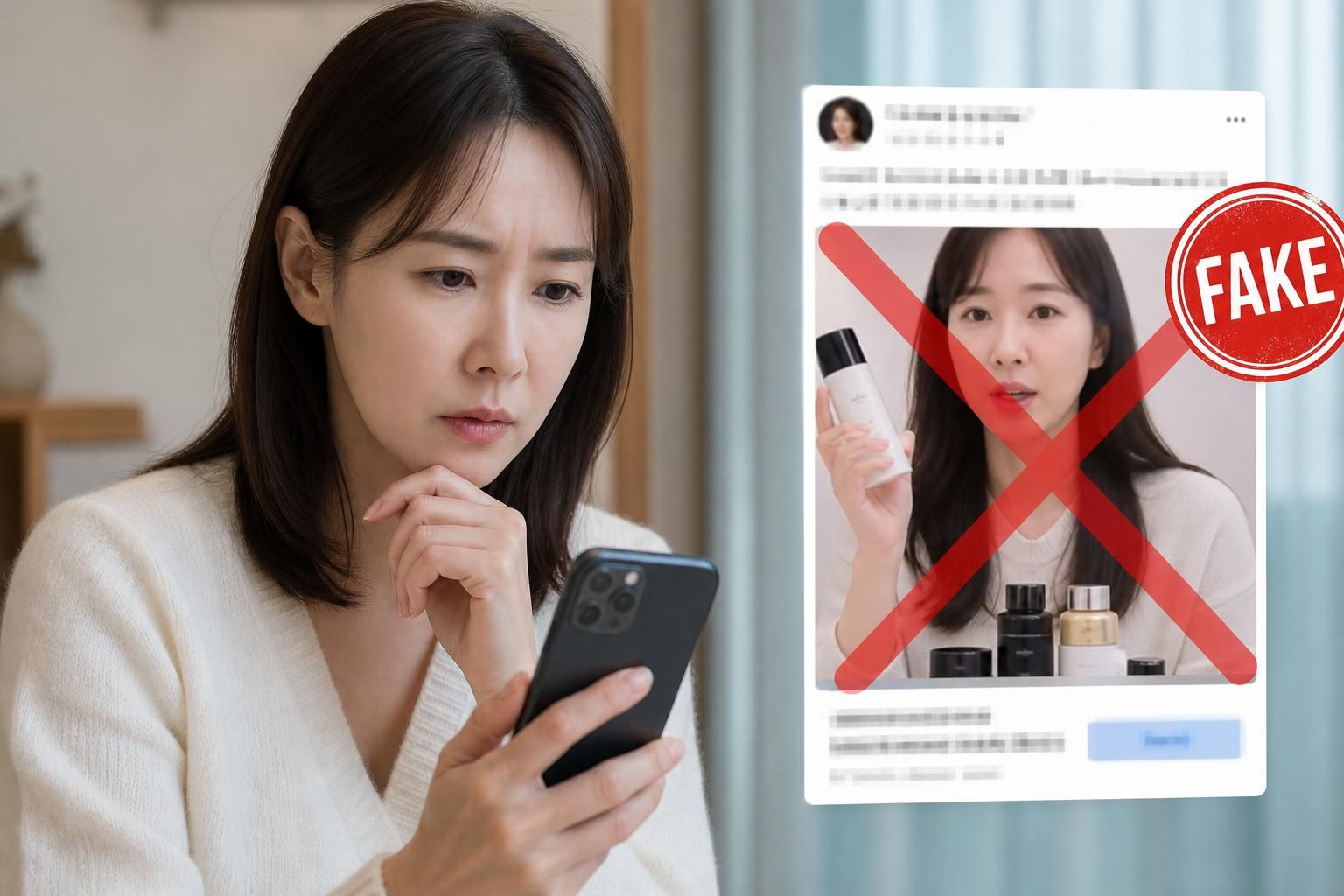
In her Instagram warning, Lee Ji-hye asked fans not to click the links included in the fake advertisements. She also emphasized that the videos were not authorized, and encouraged her audience to be vigilant when encountering content that appears to show her promoting products.
The actress’s callout has prompted additional sharing among netizens, with some users describing how they almost clicked but paused after realizing the source could not be verified. That peer-to-peer verification—fans checking each other’s experiences and comparing ad screenshots—has become an informal but important layer of protection.
While the scams have not been described in detail from a technical standpoint in the coverage, the core mechanics are clear: misleading video content + celebrity branding + link redirection. Lee’s intervention helps break the illusion that the ads are official.
What happens next
For users, the immediate takeaway is practical: treat celebrity “ad” content as suspicious unless it is posted through a verified account or reputable platform. When uncertain, viewers can look for confirmation on official channels, avoid clicking links embedded in social posts, and report suspicious ads to platform moderators.
For scammers, celebrity impersonation remains profitable because it scales quickly. As AI-enhanced deception becomes more widespread, expect more public corrections like Lee Ji-hye’s—along with possible platform enforcement efforts aimed at limiting deepfake ads and curbing link-driven fraud.
In the meantime, Lee Ji-hye’s warning is a reminder that in the AI era, authenticity cues can be fabricated. The safest route is always verification: if it’s an endorsement, find it from the source.

Join the Conversation
Log in to share your thoughts and join the conversation with other fans.