
K-Pop Fans Clash Over EVAN’s “EVER” Fandom Name as Solo Era Fallout Re-enters the Debate

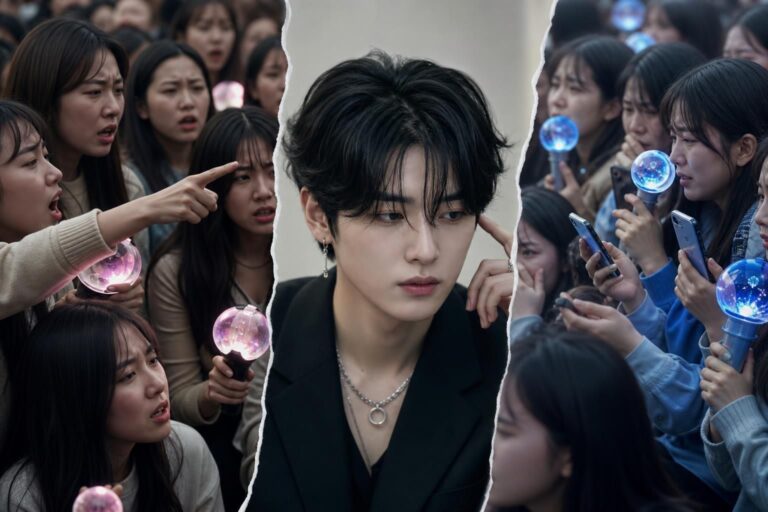
EVAN, the solo-stage name for former ENHYPEN member Heeseung, has officially unveiled his fanbase name—“EVER”—but the announcement has quickly sparked a backlash among portions of the fandom. The controversy has reignited a familiar question in idol transitions: how fans interpret “forever” messaging when careers and group ties change behind the scenes.
According to Koreaboo, EVAN introduced the name alongside a statement explaining that it merges “EV” from EVAN with “ER” drawn from “forever,” framing the relationship as lasting and unchanging over time. On paper, the branding is meant to signal artist–fan permanence. In practice, many former ENHYPEN supporters see a harsher irony in the timing and wording.
“EVER” Meets “Nothing Lasts Forever” Criticism
The backlash has been swift and vocal across social platforms, with critics pointing to the word “forever” as a direct emotional contrast to EVAN’s exit from ENHYPEN. Several fans argue that the permanence message reads differently now that Heeseung has left the group and begun a separate solo path.
One sentiment circulating in the reaction threads: supporters felt the message of “together forever” conflicts with what they perceived as a decision to step away first. Others referenced prior remarks made around the departure period, especially the use of “forever,” interpreting it as disconnected from subsequent actions.
While EVAN’s announcement emphasizes continuity between the artist and fans—rather than a promise about group membership—online debate has treated the fandom name like a referendum on sincerity. That framing reflects a broader pattern in K-pop fandom culture, where branding statements are often read as emotional commitments and interpreted in light of recent controversies or changes in group dynamics.
A Solo Rebrand That Can’t Escape the Past
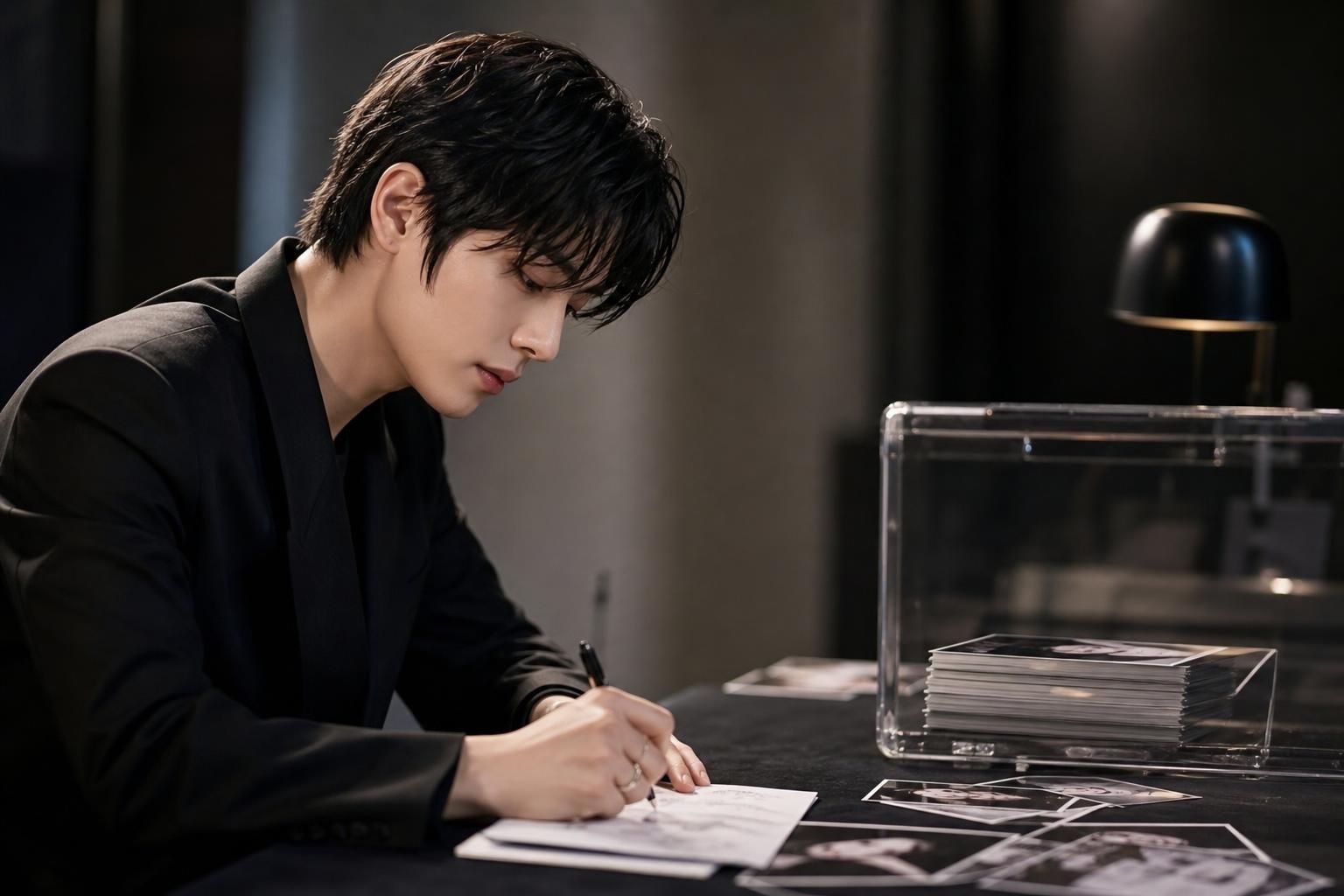
EVAN’s move into his solo era has been accompanied by a reintroduction through an individual Instagram presence and a minimalist rebrand narrative, as described by Koreaboo. However, unlike many debut rollouts that start from a blank slate, EVAN’s launch arrives with legacy context already attached.
In other words, the fandom name “EVER” isn’t landing in isolation. It is being evaluated against the public story fans have been following since his separation from ENHYPEN—so the phrase intended as reassurance is instead becoming a focal point for residual tension.
That doesn’t necessarily mean the branding is inherently harmful; it does mean it is unusually high-stakes. For fans, symbols like fandom names can function as emotional shorthand. When those symbols include absolute language such as “forever,” they can be held to a stricter standard, even if the artist’s intent is simply to express commitment to ongoing support.
Fandom “Signals” Keep Spilling Into Wider Pop Culture
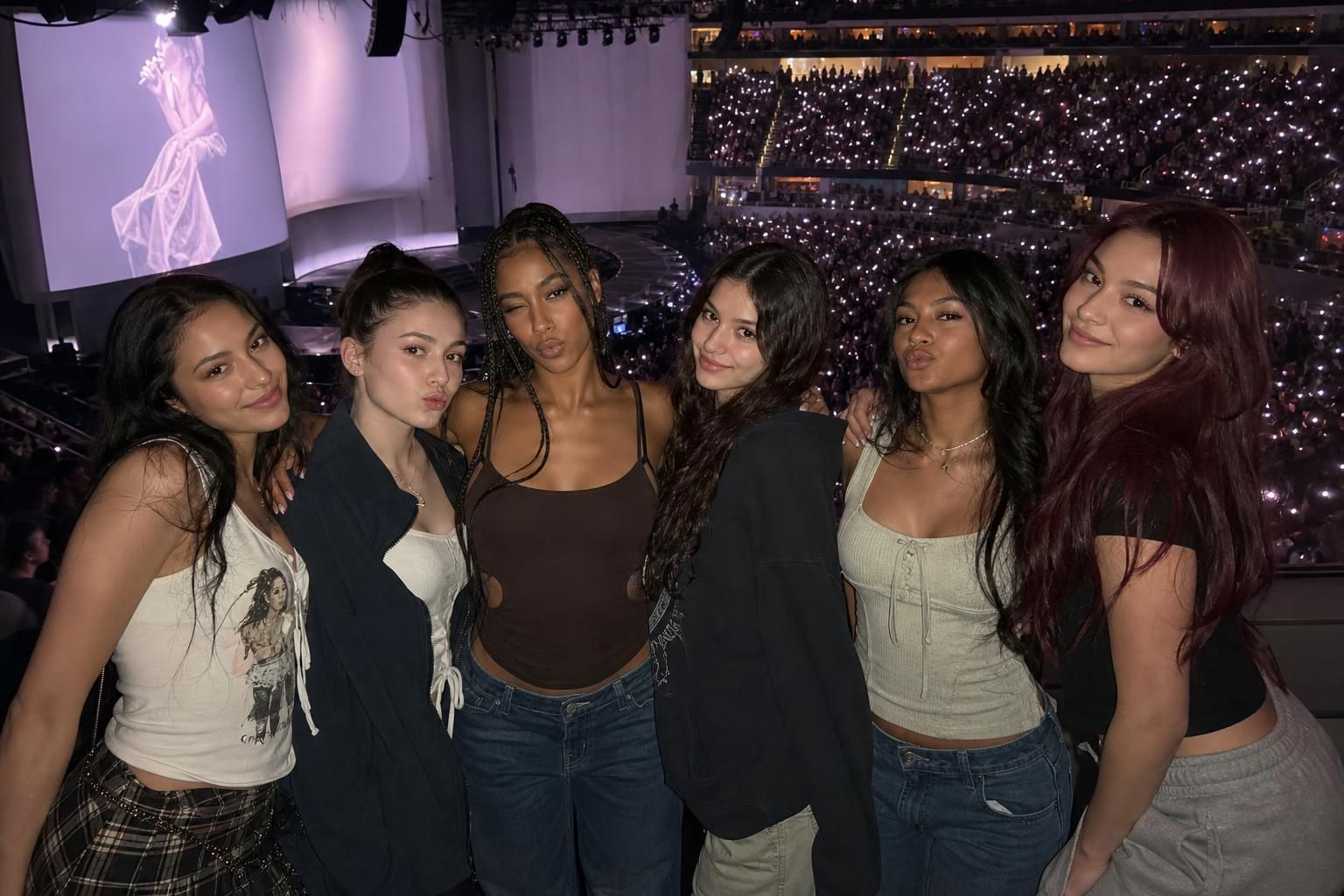
The EVAN dispute is also part of a larger ecosystem where K-pop headlines spread rapidly and get interpreted by audiences as signals. In a separate but similarly fan-driven development, Koreaboo reported that KATSEYE members were spotted together at Ariana Grande’s concert in Inglewood—after Manon had been on temporary hiatus since February 2026. The photos and identical photo spots reported by attendees fueled speculation about whether Manon’s return is near, even though no official confirmation has been provided.
Where EVAN’s “forever” phrase became a flashpoint for sincerity and fallout, KATSEYE’s reunion sightings became a flashpoint for return narratives. Both stories show how modern fan communities operate: they track micro-events, decode context, and turn incomplete information into meaning.
Entertainment Narratives, Real-Time Reactions
Even scripted entertainment can mirror the themes that emerge in fandom debates: loyalty, belonging, and the tension between institutions and personal bonds. In a different lane, Soompi highlighted “The Legend of Kitchen Soldier” finale moments, where the soldiers’ attachment to “Gangrim Outpost” and to each other becomes a core emotional throughline. The finale emphasizes camaraderie as a kind of chosen permanence—even when external decisions threaten it.
That fictional framing doesn’t resolve the EVAN controversy, but it underscores why the debate resonates. When audiences talk about “forever,” they’re rarely discussing only a word; they’re talking about whether relationships are protected through change—whether in a story, a group, or a fandom.
What Happens Next for EVAN and “EVER”
For EVAN, the immediate challenge will be managing the narrative around “EVER” without amplifying hostility. If the controversy continues, some fans may reject the name regardless of the intended message, while others may treat the backlash as a misunderstanding or emotionally charged overreaction.
What to watch next: whether EVAN’s upcoming solo activities—performances, releases, or direct fan interactions—reinforce a consistent, long-term message in ways supporters find credible. Just as importantly, observers will look for any shift in tone from both EVAN and the broader fan community: does the conversation cool once “EVER” is absorbed into the fandom’s daily use, or does it remain tied to the ENHYPEN departure debate?
Ultimately, the story illustrates a rule of contemporary idol branding: when fandom names carry absolutes, they invite measurement. In the case of “EVER,” fans are not only joining; they are also judging.
Join the Conversation
Log in to share your thoughts and join the conversation with other fans.