
HYBE’s ENHYPEN and ILLIT Sparkt a New “NewJeans” Debate After Viral “Tell Me” TikTok

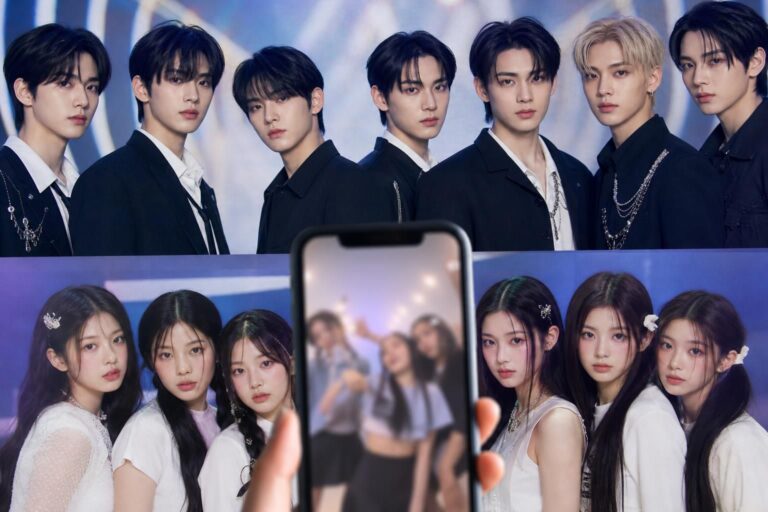
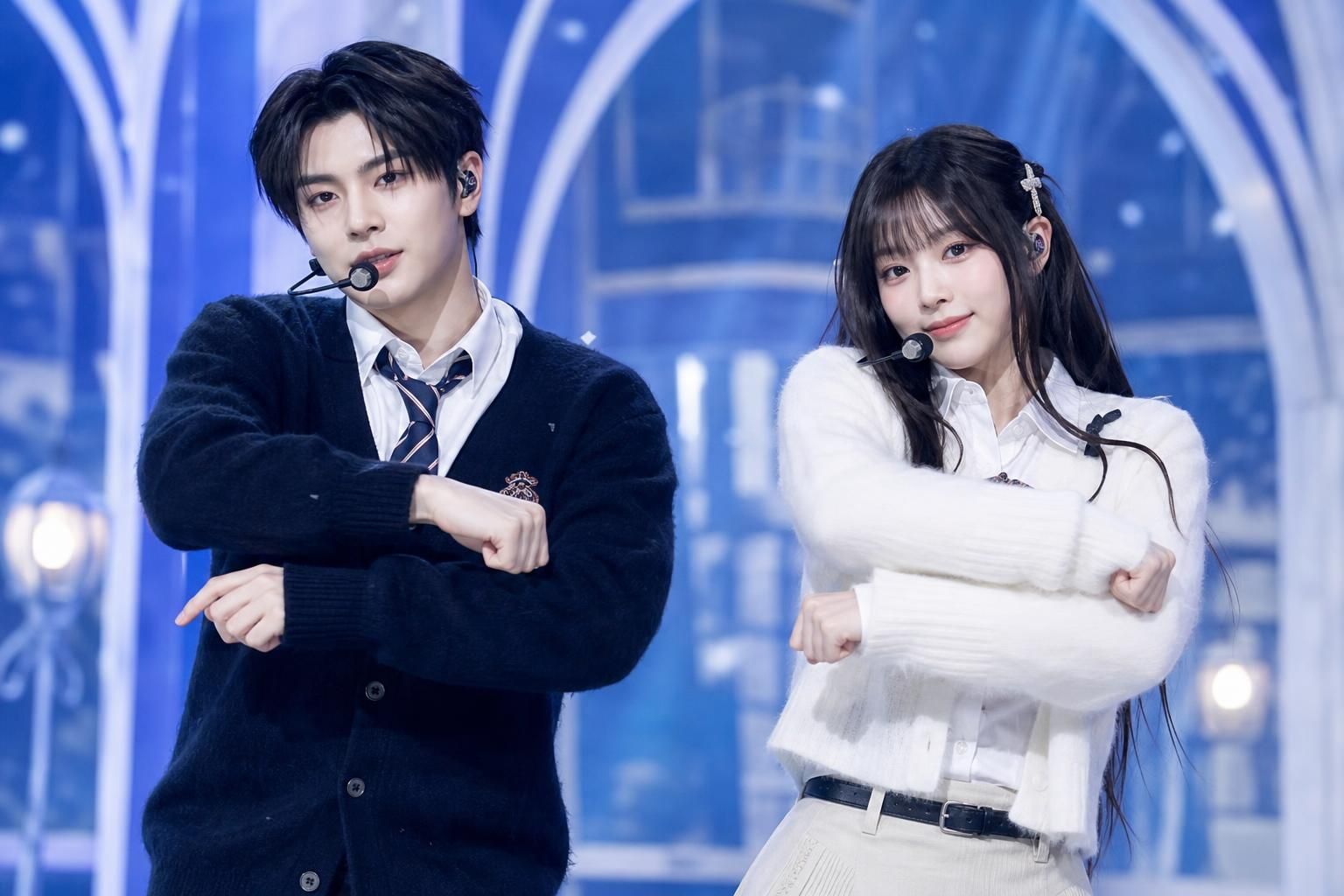
Two HYBE-affiliated idols—Sunoo from ENHYPEN and Wonhee from ILLIT—have become the center of an escalating K-pop fandom dispute after a viral TikTok appeared to reference choreography strongly associated with NewJeans. The clip, which circulated widely on June 13, shows the two dancing to Wonder Girls’ “Tell Me,” using moves that many fans say match a “NewJeans version” popularized during a 2022 performance.
The debate has unfolded across social media at a time when fan communities are already sensitive to perceived inter-group tensions—particularly between NewJeans and ILLIT’s parent ecosystem, HYBE. While some viewers describe the video as harmless crossover fun, others argue it is inappropriate to mirror a look closely tied to another group’s signature stage work.
A viral TikTok turns into a choreography flashpoint
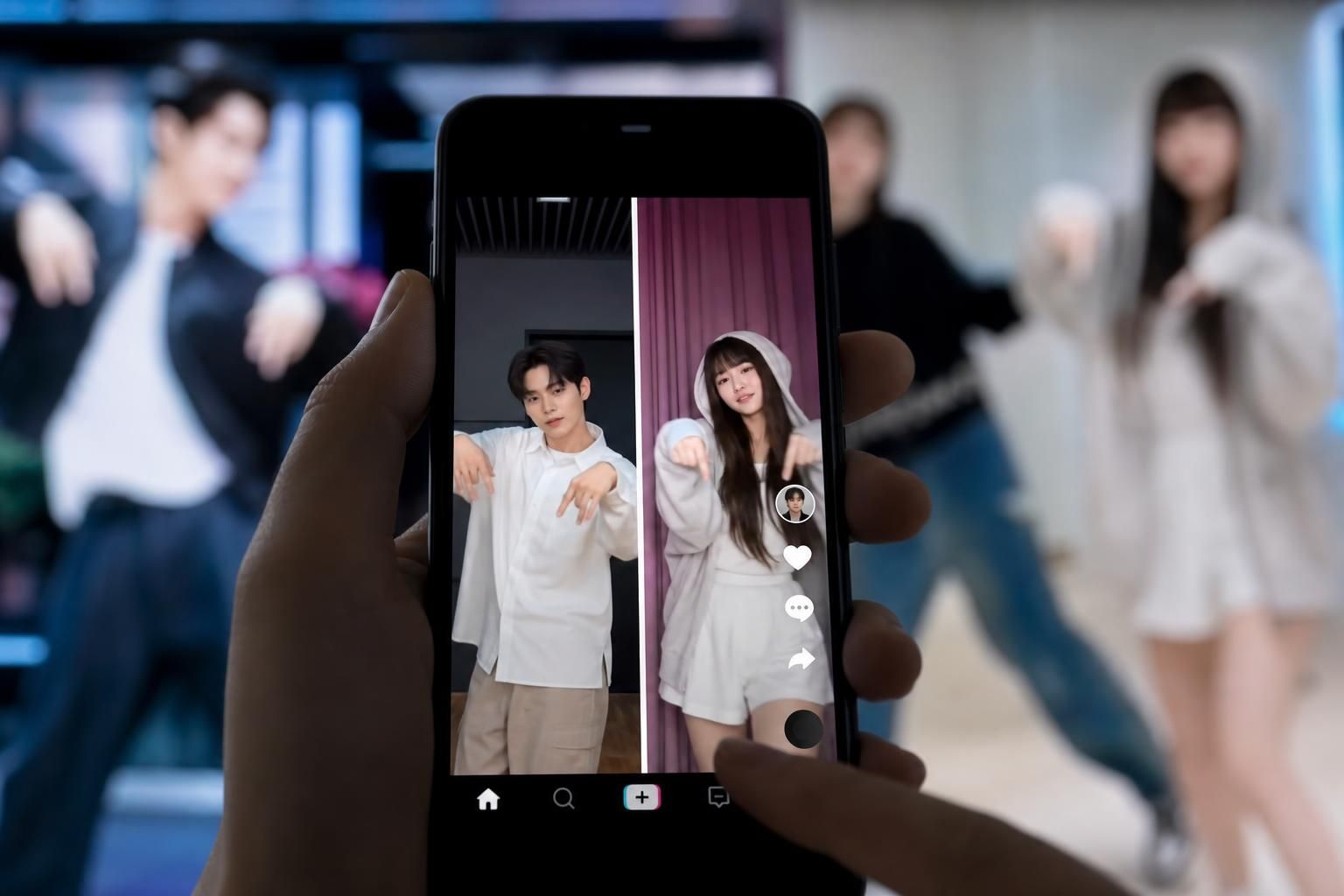
According to the report, the TikTok shows Sunoo and Wonhee taking turns dancing to “Tell Me,” a track that remains iconic across generations of K-pop choreography. The post spread quickly because it features two idols from HYBE labels interacting in a comparatively candid, informal setting—something fans often treat as more meaningful than standard promotional content.
However, what began as a dance clip soon became a discussion about intent. A significant portion of NewJeans fandom reacted by claiming the duo was not merely following generic choreography, but instead performing a sequence that resembles the specific version NewJeans used during their 2022 SBS Gayo Daejeon stage.
Social media users posted comparisons and framing questions along the lines of “Is BELIFT slow?”—a reference to the company structure behind groups such as ILLIT, and an insinuation that HYBE/Belift may be mishandling optics around perceived “copying” or rivalry narratives.
Two sides disagree on what “matches” and what “counts”
As the argument gained momentum, a counter-narrative emerged. Some fans pushed back by noting that while certain movements are common to the choreography of “Tell Me,” the specific combinations that went viral were allegedly drawn from the broader dance routine rather than being exclusive to NewJeans.
In response, NewJeans supporters argued that there is a meaningful difference between the original “Tell Me” intro and the revised or reinterpreted version NewJeans popularized. They pointed out that the moves in question were reportedly used by NewJeans for their Gayo Daejeon performance and that those sequences do not align perfectly with the original intro that predates their version.
This split—whether the dance is “standard choreography” or “a specific signature variation”—has been central to the dispute. It also highlights how, in idol culture, choreography can function as a visual identifier. When fans believe they can spot a hallmark from another group’s stage, the conversation often shifts from dance to meaning: Who took what? Who did it first? And, crucially, why now?
Fandom optics and the “feud” question
Beyond choreography, the TikTok became a proxy battleground for a wider question: whether the interaction is being used to inflame perceptions of conflict between fandoms. Some commenters praised Wonhee for not “fueling” a supposed feud, framing her participation as neutral or even conciliatory. Others, however, suggested the post might be “ragebait”—a tactic meant to re-trigger controversy and keep rival narratives alive.
Several reactions also referenced long-standing tensions related to how NewJeans have been discussed within HYBE-adjacent spaces and how those discussions can affect public interpretation of even routine content. Even when the actual video is the same, fandoms may interpret it through different lenses: one sees cross-group camaraderie; another sees symbolism.
Notably, the controversy is amplified by the fact that both idols are under the HYBE umbrella, which makes the interaction feel, to some viewers, like a power dynamic rather than just a casual dance exchange.
Why this matters: choreography as cultural “evidence” online
This episode underscores a modern reality in pop culture: digital snippets can rapidly become forensic material. Fans don’t only watch—they analyze. Close-up clips, side-by-side comparisons, and references to past performances are used as “evidence,” and the platform logic rewards quick conclusions over uncertain nuance.
When a dance routine is tied to a memorable stage moment—like a major year-end awards performance—it becomes more than performance art. It becomes a reference point that fans associate with group identity. That makes any re-use, reinterpretation, or partial resemblance a potential trigger, especially when competing communities are already on alert.
What to watch next
At this point, the viral TikTok remains the main “source,” with no official statement clarifying whether the choreography was intentionally modeled after NewJeans’ 2022 stage interpretation. The next phase will likely depend on how quickly the narrative stabilizes—or whether additional clips and comparisons surface.
Watch for two things: (1) whether other idols or agencies respond indirectly through future content (similar dance trends, staged interactions, or edits that align with one fandom’s expectations), and (2) whether fans continue to escalate the conversation into broader accusations about intent. If the controversy spreads beyond choreography into a larger debate about HYBE’s handling of fan relations, it could influence how future casual crossovers are received.
For now, the incident serves as a reminder that in K-pop, a simple dance video can become a contested cultural artifact—one that fans treat not just as entertainment, but as signals in an ongoing struggle for recognition, ownership, and respect.

Join the Conversation
Log in to share your thoughts and join the conversation with other fans.
This was a nice read, especially with the way the context comes together.
This feels simple at first, but there is enough emotion in the details to make it linger.
I like that this gives the story some room to breathe. Curious how people sit with it after reading.
This feels simple at first, but there is enough emotion in the details to make it linger.