

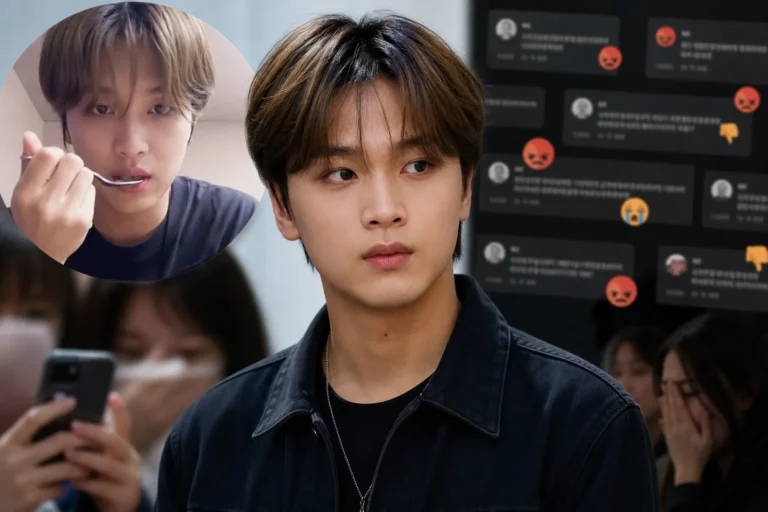
NCT’s Haechan is facing criticism after a recent Instagram Story Q&A answer about dieting circulated widely among K-pop fans, prompting concern that the comment could encourage unhealthy weight-loss habits.
The controversy began when a fan asked the singer for advice on losing 6 kilograms. In his reply, Haechan said that weight loss happens when someone does not eat, adding that he had tried many methods and believed there was no way to lose weight while continuing to eat normally. He also suggested eating only enough to stay alive and choosing food that does not taste good so that weight would drop more easily.
The answer quickly drew backlash across social platforms, where fans and other observers criticized the wording as irresponsible. Many argued that such comments can be especially harmful when delivered by an idol with a large, young, and highly engaged fan base. Some users said the remarks were painful to read because they echoed dangerous restriction-based dieting habits, while others pointed out that K-pop audiences often include people who are already vulnerable to body-image pressure.
Why The Comment Drew Immediate Concern
The response landed in a sensitive area for K-pop fandom. Idols are often expected to maintain tightly managed appearances, and discussions about weight, stage outfits, comeback preparation, and visual standards remain common across the industry. Because of that context, even casual remarks about food can carry more weight than they might in an ordinary private conversation.
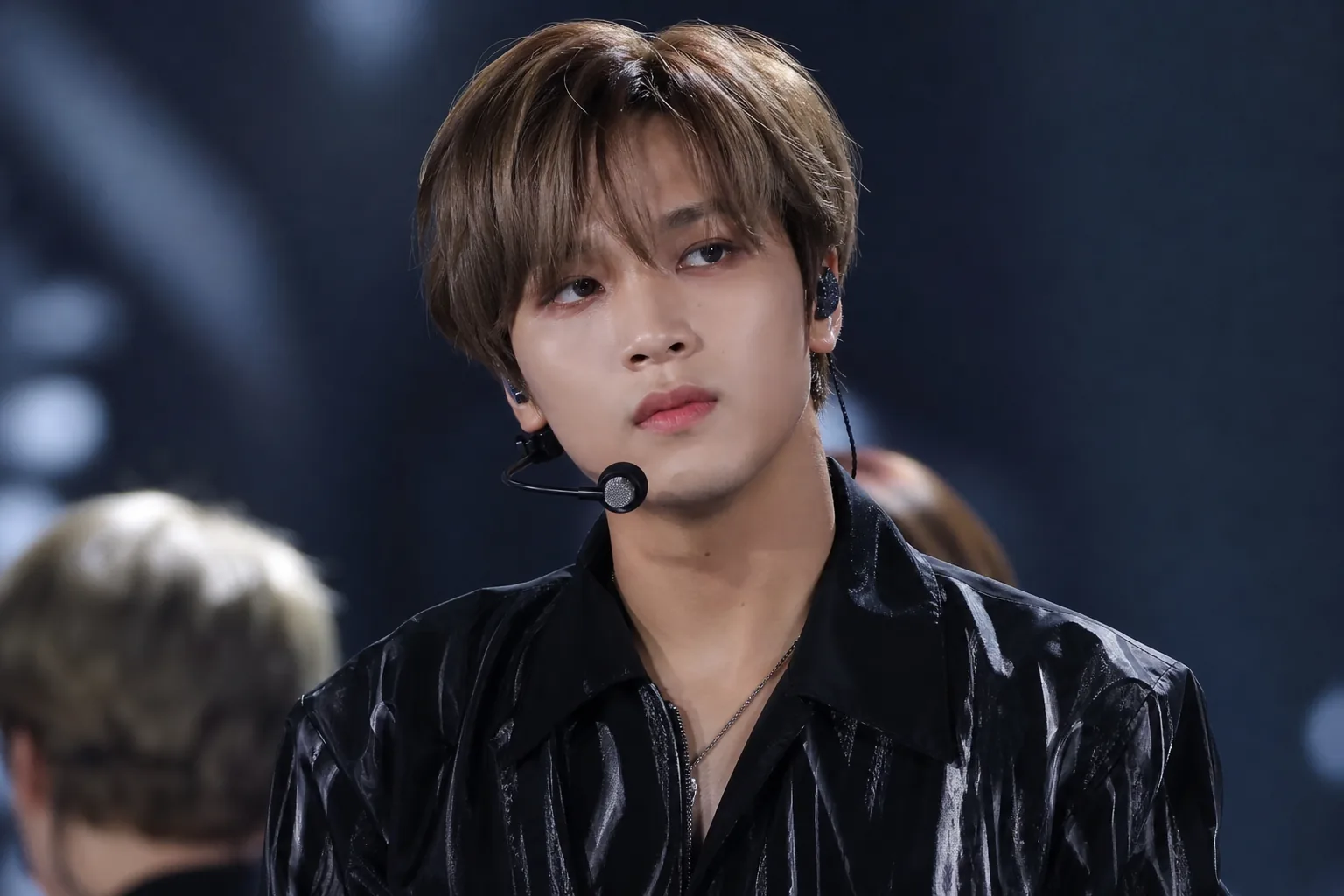
Haechan’s comment was not presented as a formal health recommendation, but critics focused on the practical message it appeared to send. The idea of eating only the bare minimum can resemble disordered eating behavior, and fans said it was troubling to see that framed as a straightforward answer to someone seeking diet tips. The backlash was less about whether the singer intended harm and more about how influential public figures should talk about health in spaces where followers may take their words literally.
The reaction also showed how quickly fan communication has changed. Instagram Q&A sessions can feel informal and intimate, but they are still public-facing interactions once screenshots begin to spread. A brief answer intended for one follower can become a broader statement, especially when it touches on topics such as food, body size, and self-image.
K-Pop’s Long-Running Body Image Debate
The discussion surrounding Haechan reflects a larger debate about beauty standards in Korean entertainment. K-pop performers frequently work under intense visual scrutiny, with audiences, agencies, styling teams, and online communities all contributing to expectations around appearance. Idols have spoken in the past about strict diets, comeback preparation, and the pressure to look camera-ready, while fans have increasingly challenged comments that normalize extreme habits.
That tension creates a complicated public conversation. Many idols themselves may be navigating the same pressures that fans criticize, which can make offhand remarks sound less like personal advice and more like evidence of an industry problem. At the same time, fans are increasingly unwilling to excuse messaging that could reinforce harmful behavior, particularly when it reaches younger audiences.

Public health experts generally advise that sustainable weight management should involve balanced meals, adequate nutrition, exercise appropriate to the individual, sleep, and professional guidance when needed. Online fan spaces are not a substitute for medical advice, and celebrity comments can become risky when they make restrictive eating sound simple, normal, or desirable.
What Happens Next
As of the latest wave of discussion, the controversy centers on fan criticism and calls for more care in future interactions. Whether Haechan or his agency addresses the response remains to be seen, but the incident has already become part of a broader conversation about how idols communicate with fans in direct, informal formats.
For many fans, the key issue is not only one answer from one performer. It is the repeated pattern of diet talk becoming entertainment content, fan-service conversation, or casual advice despite the possible consequences. The backlash suggests that K-pop audiences are paying closer attention to how celebrities frame health, and that public figures may face stronger pushback when comments appear to glamorize restriction.
The episode underscores a practical reality for idols and agencies: direct fan engagement can strengthen loyalty, but it also requires judgment. In a fandom environment where messages can travel instantly and be interpreted by millions, even a short Q&A response can trigger a serious debate about responsibility, influence, and the line between personal experience and advice.

Join the Conversation
Log in to share your thoughts and join the conversation with other fans.