
Park Yoochun Moves to Settle Tax Arrears Through Installment Plan

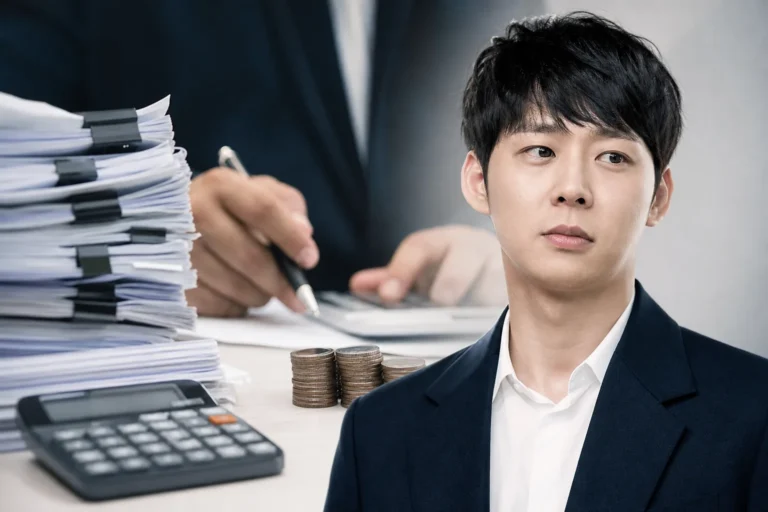
Park Yoochun, the former TVXQ member who later promoted with JYJ and built a parallel career as an actor, is reportedly moving to resolve a long-running tax issue in South Korea through an installment payment plan.
According to a report cited by Koreaboo on July 6, Park recently submitted a plan to Korea’s National Tax Service and has begun making payments in sequence. The unpaid amount was described as roughly 409 million won, or about $268,000, tied to five tax cases that included capital gains tax from 2016.
The report said payments are proceeding according to schedule and that Park is expected to fully settle the amount within this year. The case drew attention because his name had previously appeared on the National Tax Service’s public list of high-amount and habitual tax delinquents in 2023.
That public listing placed the matter beyond a routine private tax dispute. In South Korea, names on such lists are disclosed as part of an official effort to pressure settlement and signal that repeated or sizable nonpayment carries reputational consequences, particularly for public figures whose careers depend on trust and visibility.

A Public Apology And A New Payment Schedule
Park also addressed the issue through a fan platform, apologizing for causing concern and inconvenience over court cases and tax problems in Korea. He said he was reflecting on past mistakes while trying to live each moment meaningfully, comments that appeared to frame the payment plan as part of a broader attempt to move forward.
The statement did not erase the underlying facts, but it did mark one of the clearest acknowledgments from Park about the tax controversy and its effect on fans. For longtime followers, the issue is not just about a balance owed to the state; it is also about whether a celebrity with a turbulent public history can rebuild credibility through concrete action rather than sentiment alone.
Park’s career began at the center of the Korean Wave. He debuted in 2003 as a member of TVXQ, one of K-pop’s defining second-generation groups, before forming JYJ with Kim Jaejoong and Kim Junsu in 2009. He later expanded into acting and appeared in dramas that kept his name visible beyond the idol market.
His image shifted sharply after a series of controversies. Park was involved in a sexual misconduct scandal in 2016, and in 2019 he received a 10-month prison sentence suspended for two years after a methamphetamine conviction. Before that conviction, he had publicly denied drug use and said he would retire from entertainment if the allegations were proven, but he later reversed his retirement announcement and resumed activities.

Why The Tax Case Matters Now
The latest development arrives as Park remains active mainly in Japan, where he has continued fan meetings and performances. That overseas activity has given him a path to maintain a fanbase, but the Korean tax arrears have kept a significant domestic question unresolved.
For entertainment agencies, broadcasters, and advertisers, tax delinquency is rarely viewed in isolation. It often becomes part of a broader risk assessment that includes legal history, public sentiment, and whether the figure involved has shown sustained accountability. In Park’s case, the installment plan may be an important practical step, but it will likely be judged alongside years of previous controversy.
The amount itself is also substantial enough to keep the story in public view. While celebrities often face scrutiny over income reporting, capital gains, real estate transactions, or business-related tax issues, the public disclosure of a name by the National Tax Service raises the stakes. It means the case had already crossed a threshold for official publication before the current repayment plan emerged.
There is no indication in the cited report that the payment plan changes Park’s past listing status by itself, and the central verified update is narrower: he has reportedly submitted a schedule, begun paying, and is expected to complete the payments within the year. Until the amount is fully settled, the story remains ongoing.
Public Image Still Depends On Follow-Through
Park’s apology and installment plan may help reassure existing supporters, especially those who have followed his activities in Japan. But for casual observers in Korea, the real test will be whether the payments are completed as reported and whether he avoids turning the issue into another cycle of apology followed by renewed criticism.
The case also reflects a wider expectation placed on Korean entertainers: fame can survive mistakes, but repeated public controversies make every later statement harder to separate from earlier promises. For Park, resolving the tax arrears would not automatically restore his standing, but it would remove one concrete issue that has remained attached to his name since the 2023 disclosure.
For now, the most meaningful development is practical rather than symbolic. A repayment plan is in motion, the reported schedule points to settlement within 2026, and Park has acknowledged the strain the issue has caused. Whether that becomes a turning point will depend less on a message to fans than on the final payment being made.



Join the Conversation
Log in to share your thoughts and join the conversation with other fans.