
EVAN Fan-Sign Clip Sparks Debate Over Boundaries After Alleged Scolding

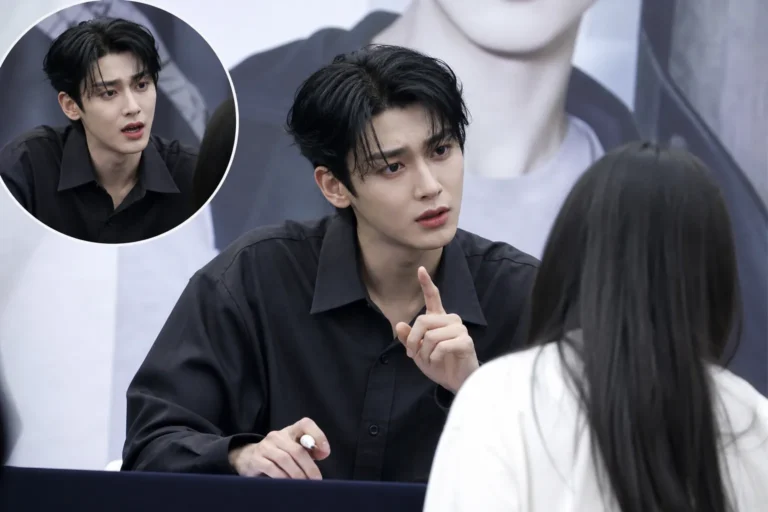
A viral fan-sign clip involving EVAN, the artist also known to many fans as Heeseung, has opened another round of debate about how far fan requests should go during limited in-person events.
The clip, shared from a July 12 fan-sign event, appeared to show a woman addressing EVAN directly while asking whether he could greet fans waiting outside. According to context circulated by the original poster and later summarized in Korean entertainment coverage, the woman had reportedly won entry to the event, while a younger relative allegedly tried to attend in her place but was not allowed in.
The situation appears to have unfolded against a larger backdrop of access confusion. Several people were reportedly unable to enter because of transfer-related issues, leaving empty seats inside while other fans remained outside. That detail became central to the discussion, because the request was framed by some as an attempt to speak for those who could not get in.
Still, the reaction online was swift and largely critical. Many viewers argued that the tone of the interaction looked less like a polite request and more like EVAN was being put on the spot during a scheduled fan interaction. Some fans said the moment was uncomfortable because the artist had limited room to refuse without seeming dismissive.
Why The Clip Drew Such A Strong Response
Fan-sign events are built around short, highly controlled interactions. Winners usually receive a brief window to speak with an artist, get an album signed, or share a message. Because time is limited, fans often treat each second as personal and precious. That structure is also why behavior at these events is closely watched by other fans, especially when a clip spreads beyond the room.

In this case, criticism focused on two overlapping issues: the alleged attempt to involve a non-admitted attendee and the pressure placed on EVAN to respond publicly. Even if the request was meant to acknowledge disappointed fans outside, many viewers felt that asking an artist to fix an event-access problem in real time was unfair.
The backlash also shows how fan communities increasingly separate sympathy for disappointed attendees from approval of confrontational behavior. Missing an event because of entry rules can be upsetting, particularly when travel, money, and anticipation are involved. But the artist is usually not responsible for ticket transfer enforcement, seating decisions, or security policy.
That distinction matters because idols and solo artists often become the visible face of systems they do not control. When something goes wrong at an event, the performer may be the only person fans can address directly. Online reaction to the EVAN clip suggests that many fans believe those frustrations should be directed toward organizers rather than delivered through a personal fan-sign moment.
A Broader Conversation About Idol Boundaries
The incident arrives during a period when K-pop fans are paying closer attention to boundaries at airports, fan calls, live broadcasts, and in-person signings. Short videos can now define a controversy within minutes, and the same clip may be interpreted as concern, entitlement, humor, or disrespect depending on who is watching.
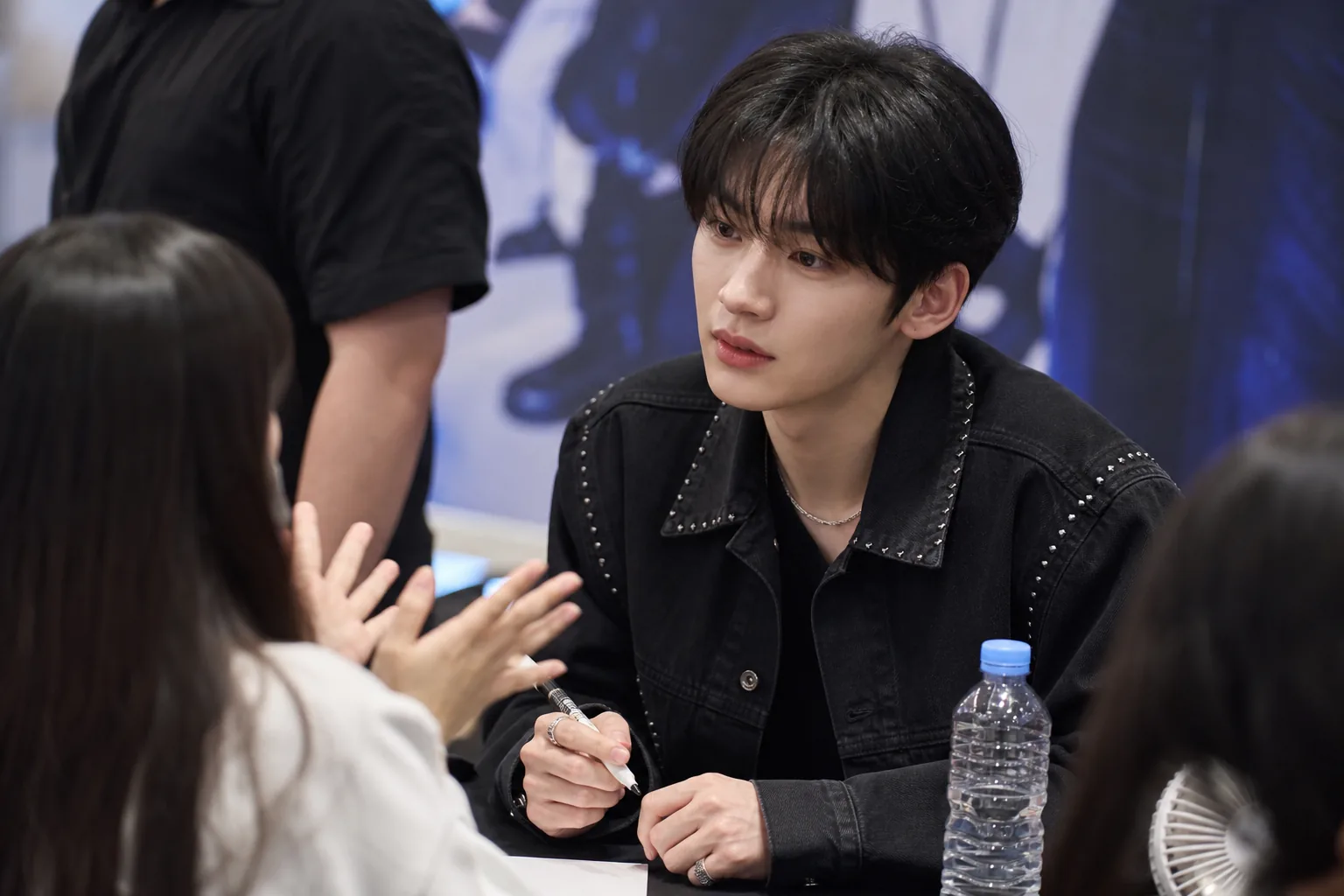
For EVAN, the discussion is especially sensitive because he remains closely associated with a large and emotionally invested fandom. Supporters who criticized the fan’s approach described the moment as embarrassing and avoidable, while others used it as an example of why staff should intervene more quickly when personal comments become uncomfortable.
There is also a practical question for agencies and event organizers. If fan-sign rules are strict enough to block entry transfers, staff may also need clearer ways to handle disputes without letting them reach the artist. Stronger on-site communication could reduce the chance that a performer becomes responsible for explaining or absorbing frustration over administrative decisions.
At the same time, the controversy underlines a familiar tension in K-pop: fan events are marketed as intimate and personal, but they still require boundaries to protect both artists and attendees. The appeal of a fan sign is direct access. The risk is that direct access can blur into pressure when a fan asks for something outside the scope of the event.
No official statement from EVAN or event organizers had been highlighted in the initial coverage. For now, the conversation is being driven mainly by the viral clip and fan responses to it. The dominant reaction has not been about whether disappointed fans deserved empathy; it has been about whether that disappointment should have been placed on EVAN in the middle of his own event.
The clip may fade quickly, as many K-pop controversies do, but the underlying issue is likely to return. As fan interactions become more visible and more easily replayed, artists, agencies, and fans will keep negotiating where warmth ends and pressure begins.
Join the Conversation
Log in to share your thoughts and join the conversation with other fans.