
NCT DREAM Fan Protest Trucks Target Mark Mentions After Yangpyeong Trip

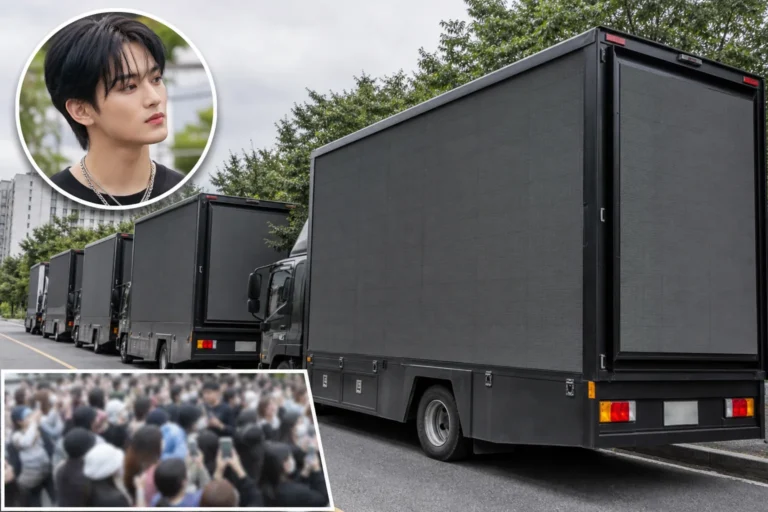
NCT DREAM is facing a fresh wave of fan debate after protest trucks appeared outside SM Entertainment, criticizing recent public references to Mark following his departure from the group. The dispute began after Jisung said during a live broadcast that the six current members had gone on a trip to Yangpyeong with Mark, who left NCT DREAM in April.
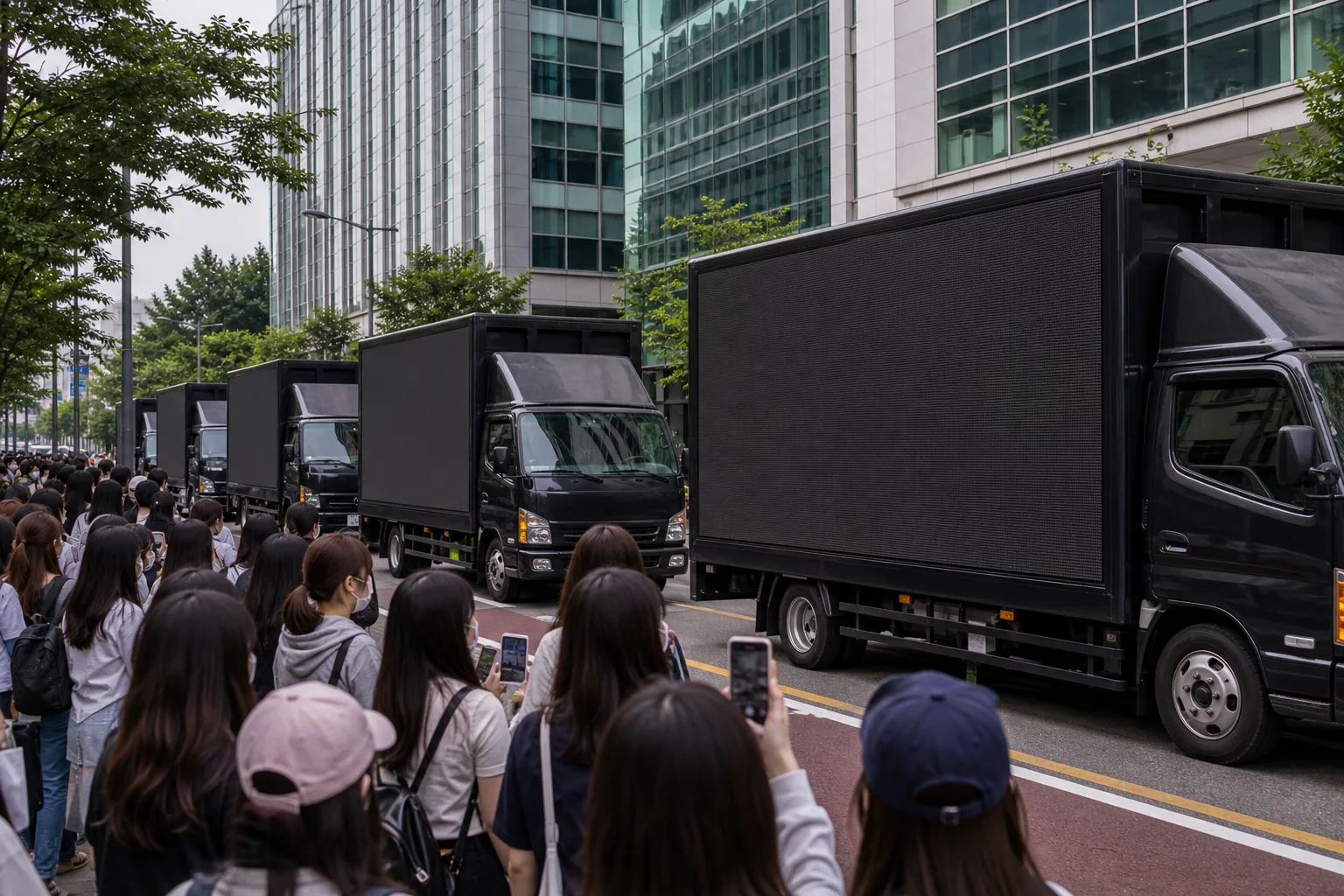
The comment might have sounded casual in another context, but it landed in a sensitive moment for part of the fandom. According to Koreaboo, the mention drew backlash online and led Jisung to apologize through Bubble. The apology did not end the matter. On July 6, protest trucks were seen near SM Entertainment carrying messages that objected to idols mentioning ex-members to group fans.
The truck messages framed the issue as a matter of trust between the group and fans. Some wording accused the members of staging a public show of friendship around Mark and questioned whether NCT DREAM was still being treated as a six-member team. One message contrasted the group name with the fan-used phrase 7DREAM, while another warned that some fans might stop supporting the group if the current direction continued.
Why Mark’s Mention Became Controversial
The protest reflects a larger tension that often follows lineup changes in K-pop. Fans do not only react to the formal announcement of a departure. They also watch how artists, agencies, and other members speak afterward, because those choices can signal whether the old lineup is being emotionally preserved, quietly retired, or left ambiguous.
In this case, the reported concern is not simply that the members remain close in private. The complaint centers on whether that private relationship should be brought into content aimed at fans who are trying to adjust to NCT DREAM’s new public identity. The protest organizer argued that avoiding mentions of former members to group fans is basic idol etiquette. That position treats public silence as a boundary that helps the current lineup move forward.
Other fans see the matter differently. Some online reactions described the trucks as excessive, arguing that idols cannot be expected to erase personal relationships just because a contract or group status changed. From that view, Jisung’s comment was an ordinary glimpse into a friendship, not a strategic statement about the group’s future. The disagreement shows how the same sentence can be heard as harmless honesty by one side and careless messaging by another.
Fan Loyalty Meets Group Identity
The backlash also touches on the unusual emotional history surrounding NCT DREAM. The unit has long carried strong symbolism for fans because of its member bonds, changing concepts, and the way supporters rallied around the group through earlier uncertainty. That history helps explain why references to a seven-member image remain powerful even after a formal change.
For SM Entertainment, the challenge is communication. If the company wants fans to accept a new chapter, it may need to make the boundaries around member references clearer for both artists and official content. If it leaves those boundaries informal, small remarks can become flashpoints because fans fill the silence with their own assumptions.

For the members, the situation is more personal. Idols are public figures, but they are also people with real friendships and shared history. Asking them to never mention someone close to them can feel unrealistic. At the same time, live broadcasts and fan platforms are not private rooms; comments made there can quickly become part of a larger narrative about the group’s direction.
The protest trucks are unlikely to settle the debate by themselves. They have instead made visible a split that was already present: one side wants firm separation from the former lineup, while another side believes fans should allow the members more freedom in how they speak about their relationships. The next official appearances and broadcasts may show whether SM Entertainment adjusts its approach or lets the discussion fade on its own.
What is clear is that NCT DREAM’s current era is being watched closely, not only for music and performances but also for language. In a fandom environment where every phrase can be clipped, translated, and debated within minutes, even a brief mention of a trip can become a test of how a group defines itself after change.
Join the Conversation
Log in to share your thoughts and join the conversation with other fans.