
BTS Apologizes After Busan Concert Starts Late Amid Crowd-Control and Entry-System Backlash

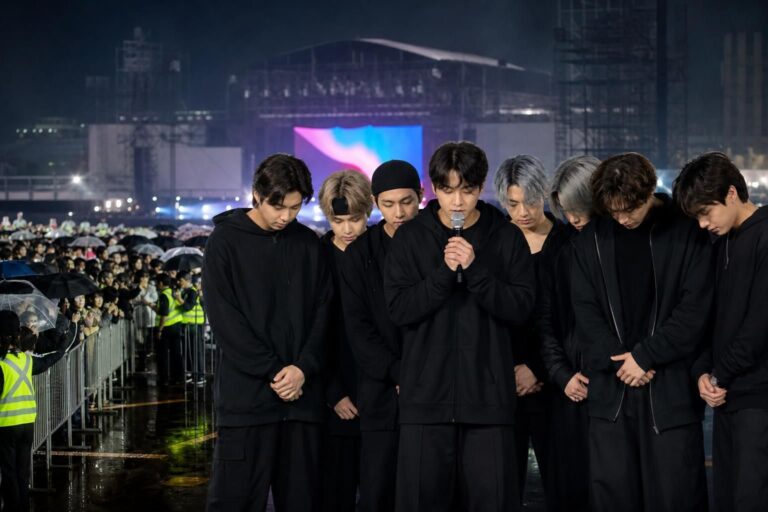
BTS’ World Tour ‘ARIRANG’ stop in Busan on June 12 triggered an unusually sharp wave of criticism online, after attendees described what they called chaotic crowd management and problematic entry procedures at Asiad Main Stadium in Yeonje District. According to widely shared accounts and an official statement from HYBE earlier the same day, the concert’s scheduled 7 p.m. start slipped by about an hour and 15 minutes—an outcome that fans say was compounded by issues around wristbands, giveaways, and a facial-recognition entry process.
Within hours of the delays, HYBE posted an apology acknowledging “significant inconvenience caused by the delayed start” of the Busan show. The company said it would review what went wrong, setting the stage for further scrutiny after the incident escalated from operational complaints into a broader argument about accountability—particularly the roles of event organizers and venue or local authorities.
Delayed start and alleged bottlenecks at entry
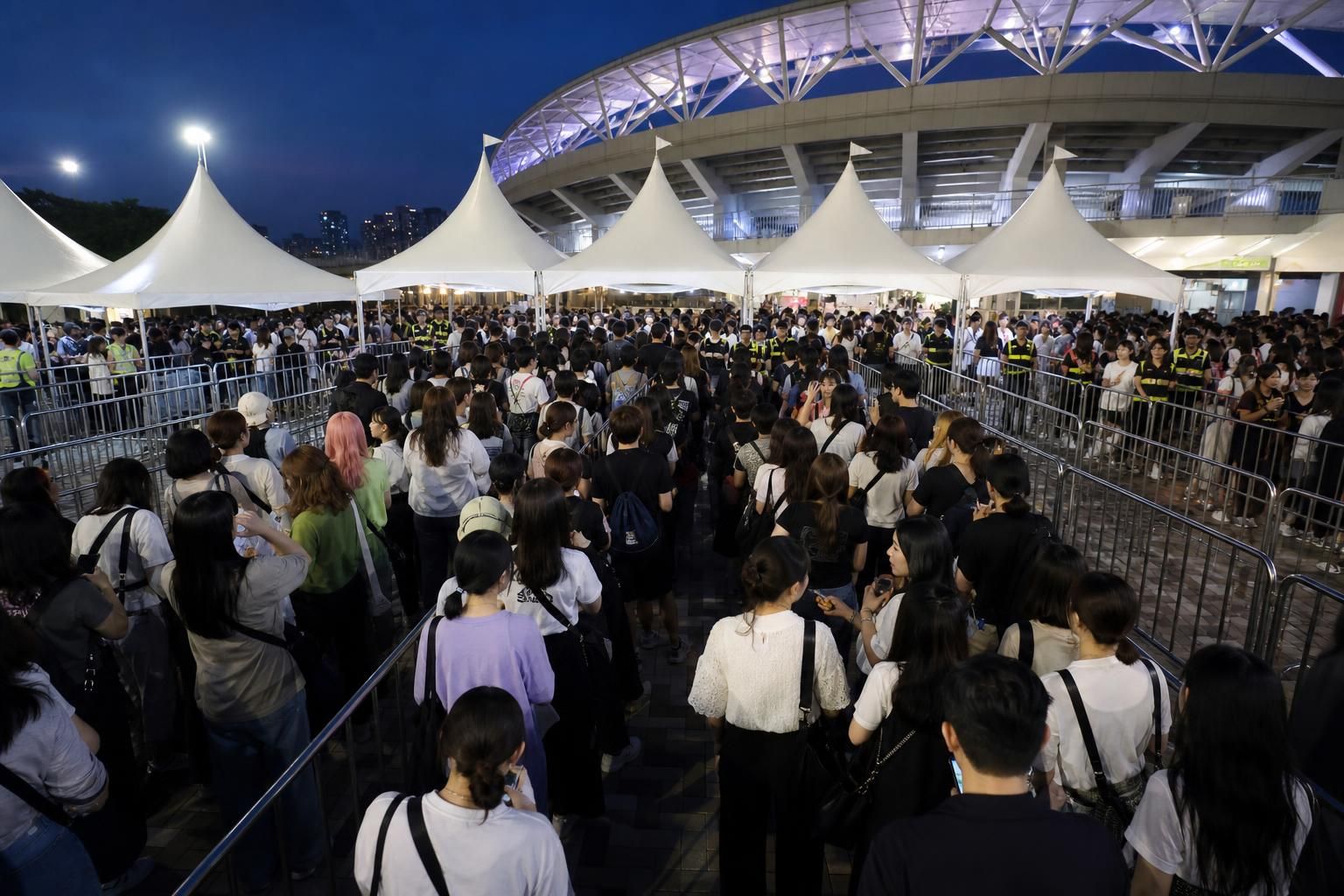
Multiple attendees reported that gates and entry-related steps failed to scale to the size and pace of the crowd. Some posts claimed the show did not begin until well after 8 p.m., leaving fans waiting for hours. Several also argued that poor crowd control created dangerous conditions in pedestrian areas, describing people pushing and shoving as they tried to move through the venue perimeter and admission flow.
According to the accounts shared after the event, fans ran into additional friction points even before the first performance. Complaints included alleged shortages of entry wristbands and promotional gifts, which reportedly caused confusion among people expecting to receive items as part of admission. Attendees also said that merchandising and benefits lines became tangled, effectively mixing “pickup” traffic with purchase lines and extending queues further.
“Face Pass” and the admission experience
A central focus of the backlash was the event’s facial-recognition entry system—referred to in posts as “Face Pass.” Attendees described the system as a contributor to bottlenecks, alleging that errors and slow verification times intensified wait periods at the gate. In at least some accounts, fans said there was little guidance for those who encountered problems, including how to proceed if verification failed or if system queues became congested.
Several commenters also argued that operational planning did not adequately address edge cases—such as fans who arrived without required documents—turning an already stressful setup into a prolonged ordeal. While facial-recognition systems are often used to speed up admission at large-scale venues, the dispute here is less about whether technology was used, and more about what organizers reportedly did (and did not) do to manage exceptions, queue separation, and customer support at peak throughput.
Official apology, followed by a member-level gesture
HYBE’s initial statement took responsibility for communicating the delay, but fans later reacted to a more personal element of the response. As described by Koreaboo, BTS members—specifically Jimin and Jungkook—addressed the situation during a livestream on Weverse, apologizing “on behalf of BIGHIT.” In the remarks, the members acknowledged that they were not fully aware of every detail, while expressing regret that the fan-gift plan—intended positively—ended up causing additional issues at the venue.
That gesture, however, became another flashpoint. Many ARMY members said it felt unfair that performers were placed in the position of apologizing for problems they described as stemming from venue logistics, local organizing, or broader operational failures. Commenters argued that if organizational breakdowns occurred at the stadium and by event stakeholders, responsibility should be directed to those parties rather than absorbed by the artists.
At the same time, some attendees suggested the underlying theme wasn’t just a one-off incident. They pointed to recurring complaints from previous Busan BTS concerts, arguing that similar crowd-navigation and management concerns had appeared before—raising questions about whether lessons were applied in time for the latest show.
Why this incident matters beyond one concert
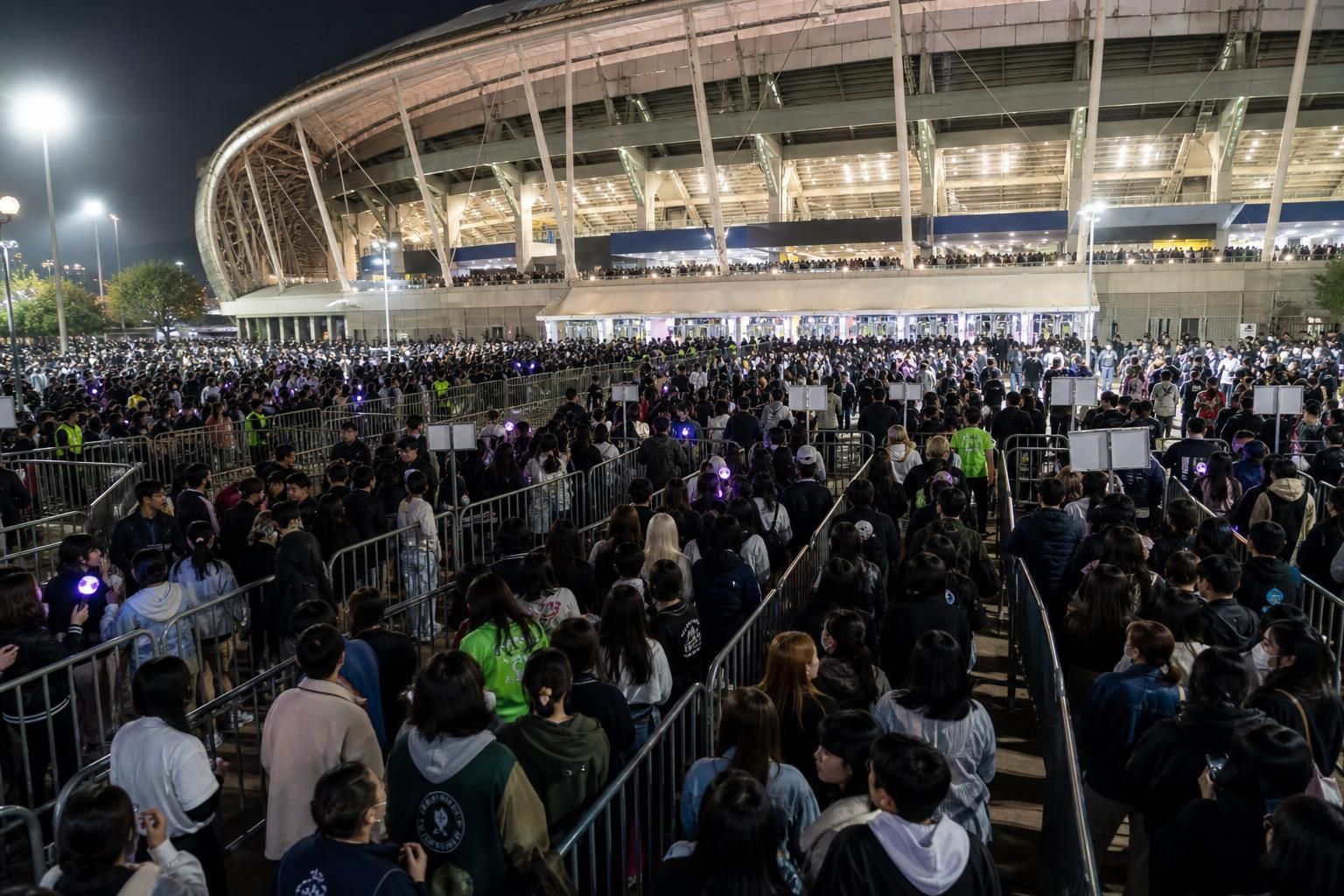
The Busan event is being treated by fans as more than a scheduling mistake. It highlights a structural challenge that affects large concerts worldwide: how to balance streamlined entry systems and promotional distributions with real-world crowd behavior. When admission steps fail—through delays, shortages, or technology bottlenecks—late starts can ripple into downstream problems, including fans missing public transportation and local schedules.
For promoters and venues, the episode also underscores the importance of queue architecture and staffing. If multiple lines (for gifts, entry verification, and merchandising) are not separated and timed correctly, even small disruptions can become multiplicative. And if a technology-driven system is used without sufficient fallback procedures—plus visible on-site guidance—fans may experience the process as opaque or unresponsive rather than efficient.
What happens next
HYBE has indicated that it will review the circumstances around the delayed start. For fans, the next test will be whether the review results in operational changes—such as improved queue management, clearer separation between gift and sales flows, and more robust contingency handling for facial-recognition entry failures.
In practical terms, attendees are likely to keep pressuring organizers for accountability, including demands that local authorities and venue management provide their own explanations. With BTS continuing to tour on a tight schedule, fans will also be watching for whether similar events adopt revised admission procedures to prevent a repeat of the Busan experience.


Join the Conversation
Log in to share your thoughts and join the conversation with other fans.
This one feels complicated, but I hope the conversation stays fair and thoughtful.
This one feels sensitive, honestly. Hope the conversation stays careful and grounded.