

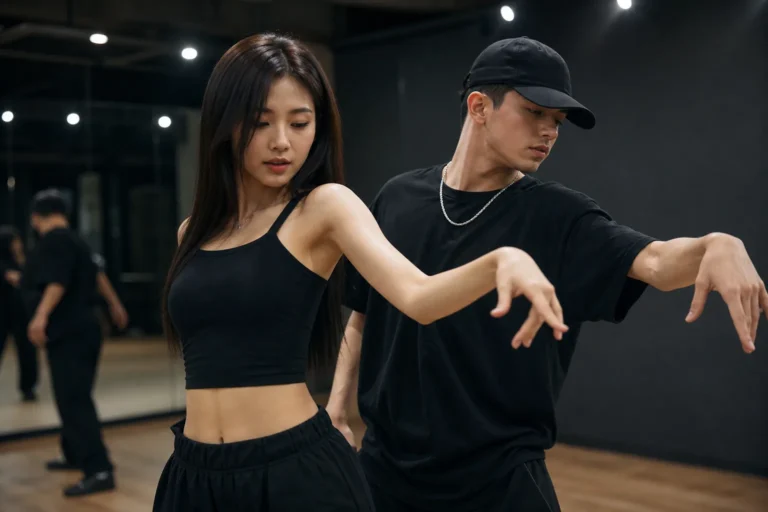
TWICE’s Tzuyu has become the subject of a heated online discussion after a dance clip with choreographer Ian Eastwood circulated widely among K-pop fans. The short video drew sharply different reactions, with some viewers criticizing her movement quality while others argued that the performance was being judged through the wrong lens.
The debate began after a clip of Tzuyu dancing alongside Eastwood gained traction online. Critics described her dancing as stiff or uncomfortable, focusing on the way she carried the choreography and the level of expression visible in the brief segment. The clip spread quickly because Tzuyu is one of TWICE’s most recognizable members, and even small performance moments involving major idols often become magnified across fan spaces.
A short clip creates a wide debate
Much of the criticism centered on the impression that Tzuyu did not fully commit to the movement. Some viewers said the choreography appeared awkward on her, while others questioned whether the short clip represented the full performance fairly. Because the circulated version was brief, the conversation also raised a familiar issue in K-pop discourse: short videos can travel faster than the context needed to understand them.
Supporters pushed back by saying the routine appeared closer to a contemporary or expressive dance style than the high-impact commercial choreography many idol fans are used to seeing. In that view, the performance should not be measured only by sharp angles, powerful hits, or the kind of facial expression expected in a music show stage. Several fans argued that the choreography asked for a different mood and that criticism of the clip overlooked the intended style.
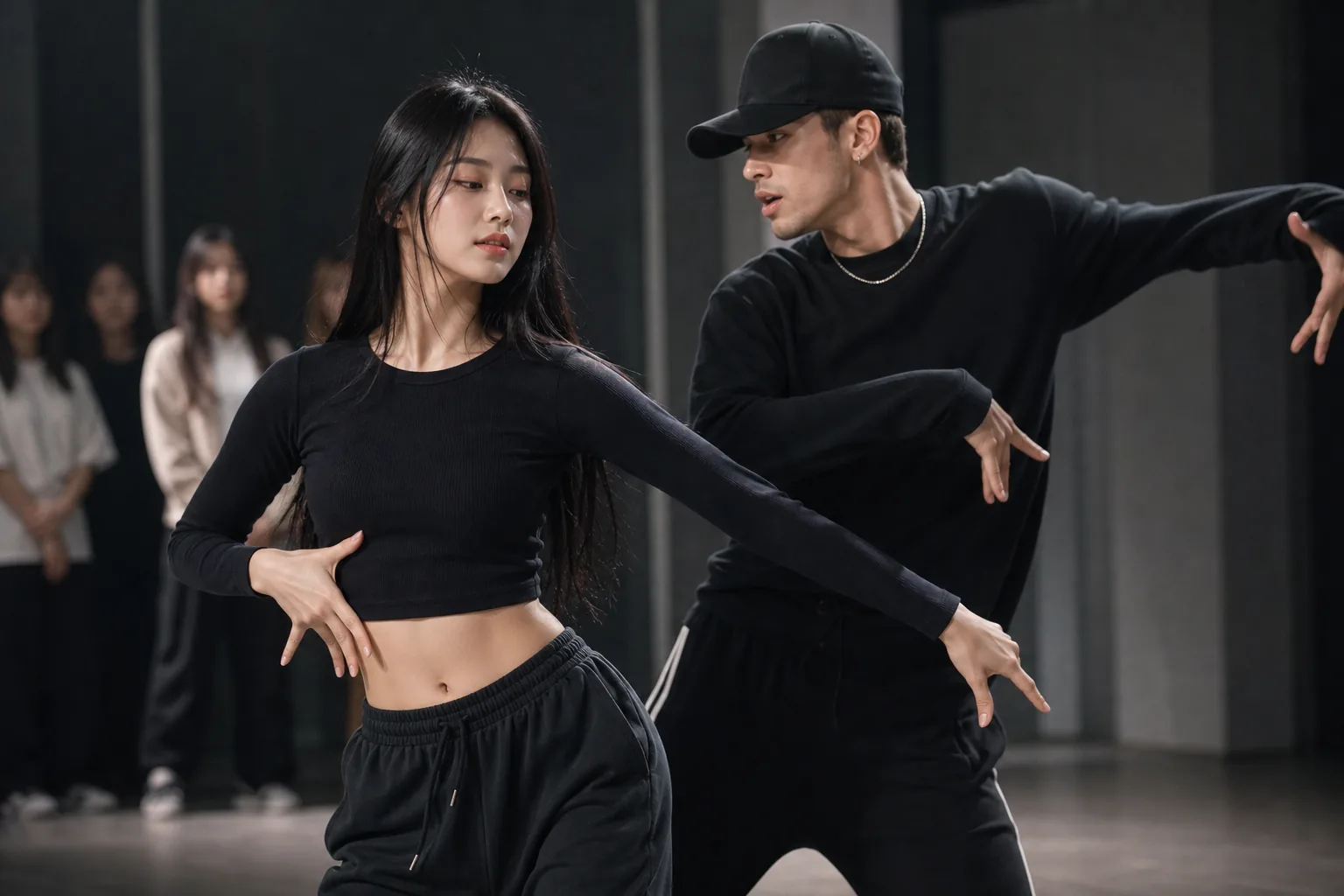
That divide explains why the discussion became more than a simple question of whether one performance looked good. For many fans, it became a debate about how idol dance is evaluated, especially when an artist steps outside the visual language most associated with group title tracks. TWICE’s performances often emphasize polish, synchronization, and bright stage presence, while a studio routine with a choreographer can carry a different purpose.
Why Tzuyu’s performances draw attention
Tzuyu has spent years performing in one of K-pop’s most successful girl groups, which means her individual clips are rarely viewed casually. Fans and critics often compare every solo moment to TWICE’s group standard, even when the setting is informal, experimental, or not designed as an official comeback stage. That visibility can make any perceived flaw feel larger than it might for a less prominent artist.
The reaction also shows how dance vocabulary can split audiences. Some viewers are drawn to clean power and obvious impact, while others value restraint, flow, or emotional intention. When a routine does not match the first expectation, it can be labeled lacking, even if the choreographic goal was different. At the same time, defenders of an idol can sometimes move too quickly to dismiss all criticism, even when fans are discussing performance choices rather than personal attacks.
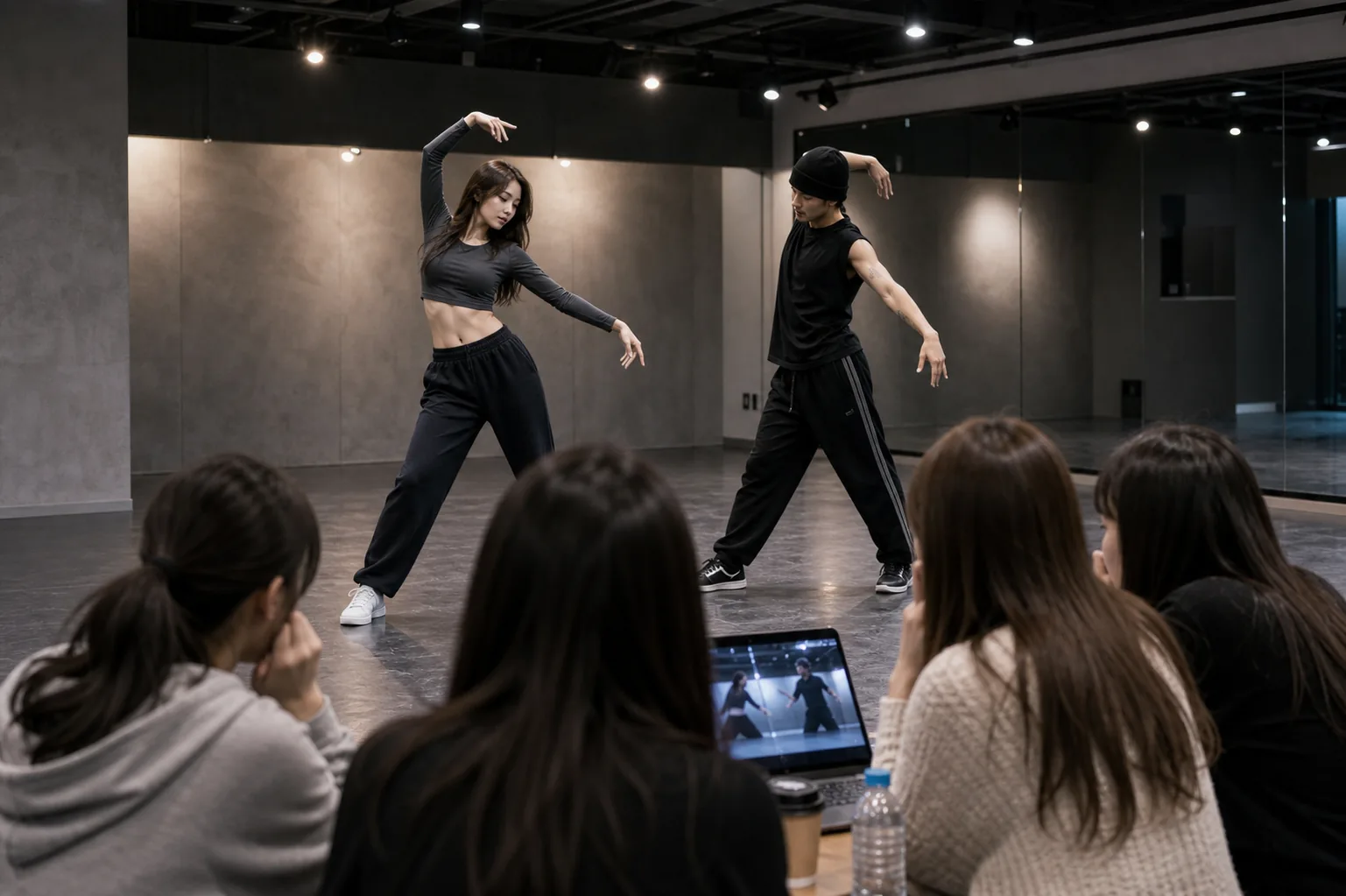
In Tzuyu’s case, the disagreement is intensified by the fact that the source clip involves Ian Eastwood, a well-known choreographer whose work is often associated with musicality and detailed body control. That pairing naturally led some viewers to study the movement more closely than they might have with a casual fan video. It also made the choreography itself part of the conversation, with some arguing that the routine may not have been the best fit for her strengths.
A familiar K-pop pattern
The discussion follows a pattern seen often in K-pop: a brief performance clip goes viral, negative comments build quickly, and fans respond by widening the frame. Sometimes that broader context changes the conversation; other times, the clip becomes a stand-in for bigger debates about an idol’s skill, confidence, or artistic direction.
For now, the Tzuyu clip appears to have done both. It sparked criticism from viewers who felt the performance lacked ease, while also prompting a defense from fans who saw the routine as a misunderstood style choice. Without reducing the conversation to either side, the clearest takeaway is that idol performance is being judged in increasingly fragmented ways, especially when clips move across platforms without the full video attached.
Tzuyu has not needed to make any public statement for the debate to continue, and TWICE’s broader reputation remains far larger than a single studio moment. Still, the reaction shows how quickly performance discourse can form around a few seconds of footage, particularly when the idol involved belongs to one of the most visible groups in K-pop.


Join the Conversation
Log in to share your thoughts and join the conversation with other fans.