


Ock Joo Hyun, the singer and musical actress best known to many K-pop fans as a former Fin.K.L member, is facing a new round of public debate after her recent criticism of autotune and lip-syncing was compared with her earlier defense of BIGBANG’s G-Dragon.
The discussion began after Ock spoke sharply about performers who rely on vocal processing or do not sing fully live. Her remarks were framed as a broader complaint about standards in the music industry, where backing tracks, pitch correction, and partial lip-syncing have become common parts of televised stages, large-scale concerts, and promotional performances.
At first, some listeners welcomed the comments as a rare direct challenge from a veteran vocalist. In an industry where idols are often judged on choreography, visuals, fan service, and chart performance at the same time, vocal ability remains one of the most emotional topics among fans. For supporters of Ock’s position, the argument was simple: singers should be expected to sing, especially when audiences pay premium prices to hear them in person.
Why G-Dragon Became Part Of The Debate
The conversation shifted when fans revisited Ock’s previous remarks about G-Dragon’s concert at Goyang Sports Complex in Gyeonggi Province. That outdoor show reportedly took place in difficult weather, with strong winds and low temperatures affecting the event. Afterward, some attendees criticized the performance for leaning heavily on pre-recorded vocals and backing tracks, while others focused on the harsh conditions surrounding the concert.
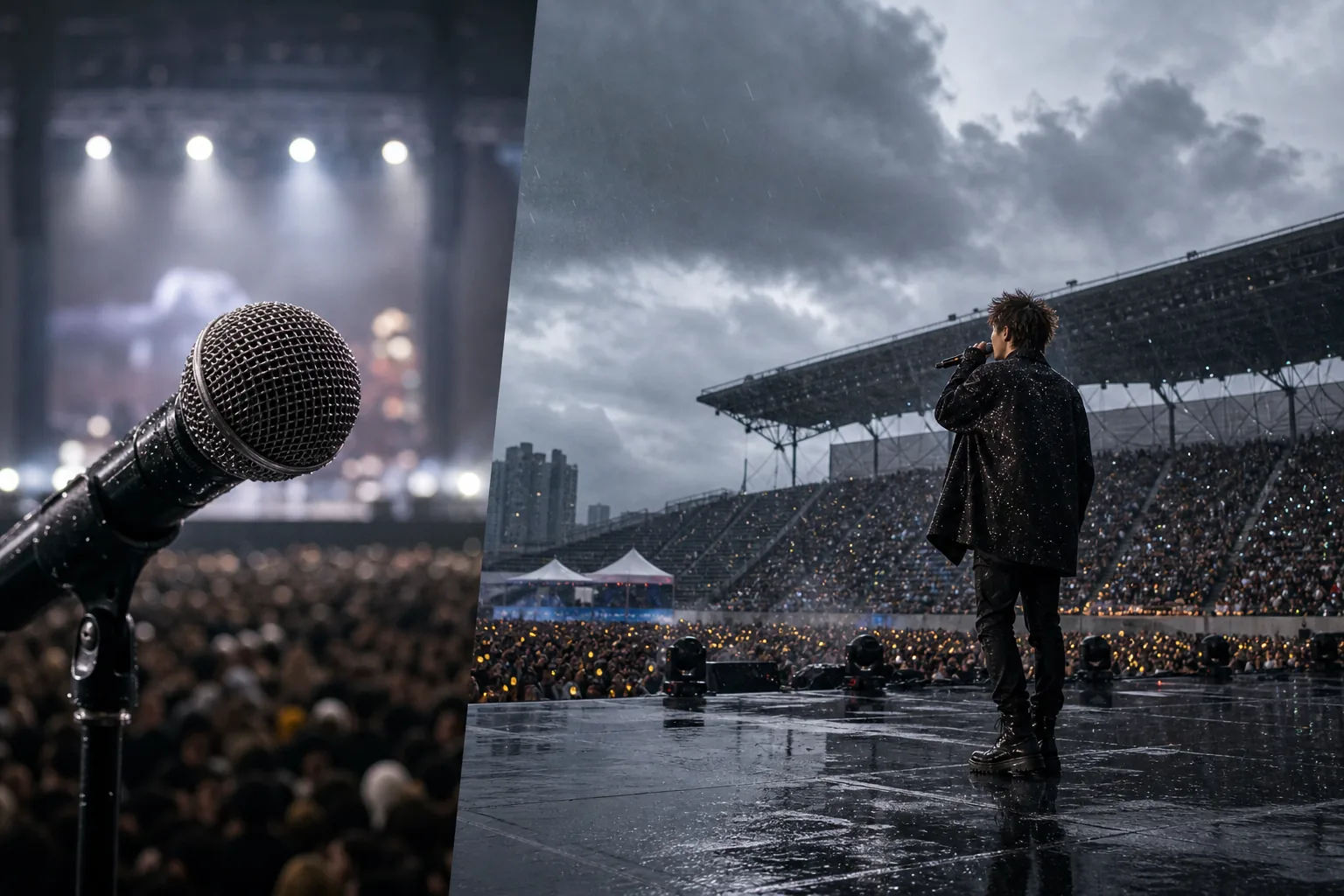
Ock, who attended the show, had publicly expressed sympathy for G-Dragon at the time. Her position was that expecting an artist to deliver a conventional live vocal performance in freezing outdoor weather was unreasonable, and she emphasized the physical difficulty of performing under those circumstances.
That earlier defense is now being read alongside her newer criticism of autotune and lip-syncing. The result is a debate over consistency: some online commenters argue that Ock is applying different standards depending on the artist involved, while others say the two points are not necessarily contradictory.
The difference, for her defenders, is context. A singer criticizing routine overreliance on vocal manipulation can still acknowledge that weather, venue design, sound systems, health, choreography, and safety affect what is possible on a specific night. Live performance is not a single fixed category. It can range from raw vocals over a band to hybrid concert formats where artists sing key sections live while tracks support complex staging.
A Larger Question About Live Performance
The backlash also reflects a wider K-pop tension. Fans increasingly expect transparency from artists and agencies, but the production scale of idol performances has only grown more demanding. Stadium shows require synchronization across video, lighting, choreography, pyrotechnics, and camera direction. At the same time, audiences still want proof that the singer onstage is actively carrying the performance.
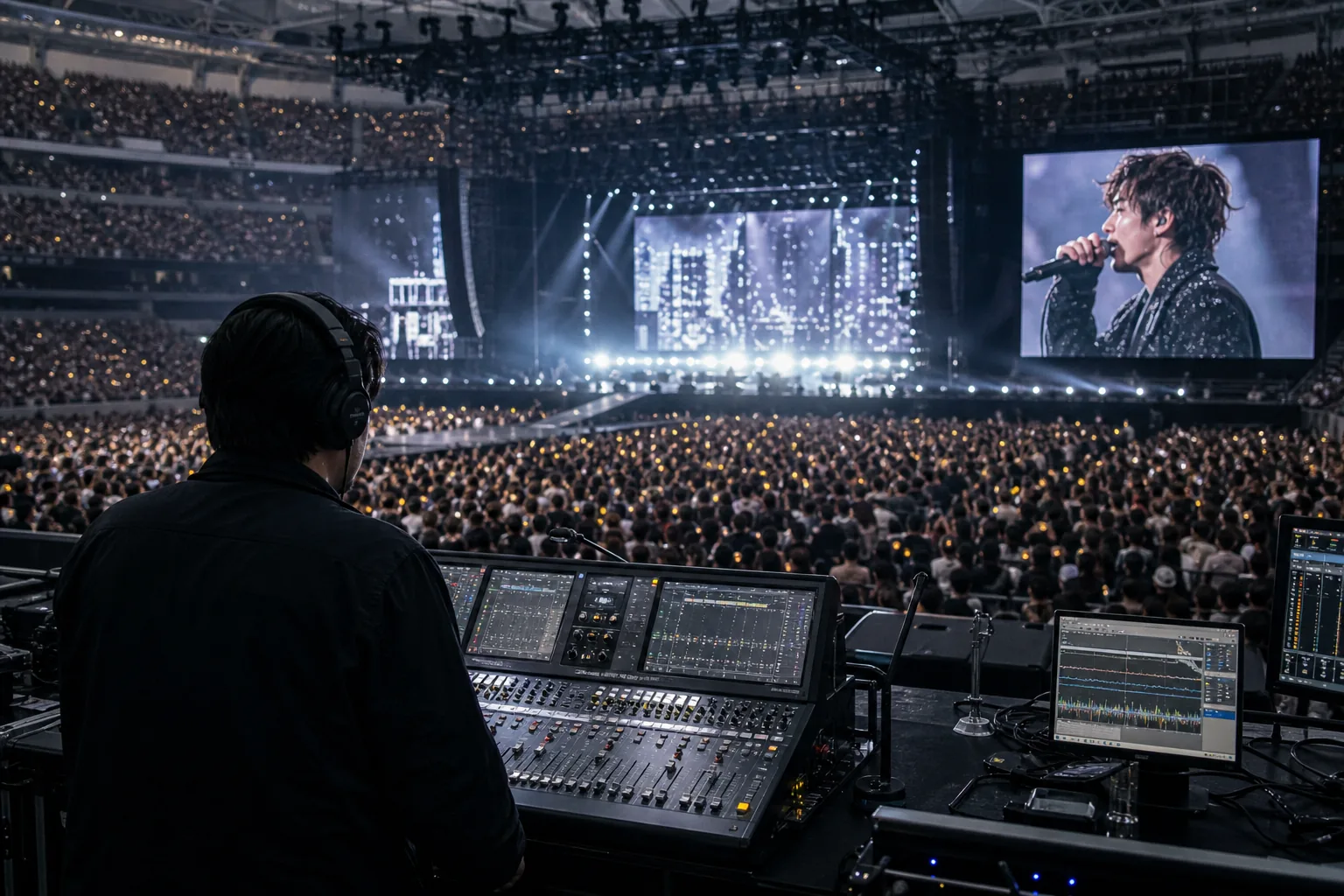
That pressure can make discussions about autotune unusually heated. To some fans, vocal processing is a practical production tool, especially in arenas where sound can be inconsistent. To others, it becomes a symbol of lowered standards when used to hide weak singing or when a concert is promoted as a live experience but feels dominated by prerecorded audio.
G-Dragon’s name adds another layer because he is not a typical rookie being judged for basic vocal technique. As a long-established performer, producer, and cultural figure, he is often evaluated through the lens of stage presence, authorship, and legacy as much as conventional singing. That makes comparisons with other artists difficult, but it also makes any public defense of his performance more visible.
For Ock, the controversy shows the risk of making broad statements in a fan environment that keeps receipts. Comments about industry standards can quickly become personal once audiences connect them to specific artists, concerts, and past posts. Even if her intended point was about professionalism rather than one idol, the renewed attention has pushed the discussion into a question of fairness.
So far, the debate appears less about one concert and more about what fans believe they are owed when they buy into a live performance. The answer is rarely simple. Weather can matter. Health can matter. Production choices can matter. But so can the expectation that a singer’s voice remains central to the show.
As K-pop concerts continue to expand globally, the conversation around live vocals is unlikely to fade. Veteran artists, idols, and agencies are all operating in a market where audiences are more technically aware and more willing to compare performances across clips, fancams, and official broadcasts. Ock’s comments have become the latest flashpoint in that ongoing argument.


Join the Conversation
Log in to share your thoughts and join the conversation with other fans.