
Baek Ji Young Says Legal Action Against Malicious Commenters Carries Real Consequences


Baek Ji Young has put renewed attention on the cost of malicious online comments, saying that legal action against extreme personal attacks should be understood as a serious consequence rather than a symbolic warning.
The veteran singer addressed the issue during a June 30 appearance on YTN Radio’s Wise Radio Life, where she discussed celebrity mental health, public criticism, and the way digital abuse can follow entertainers beyond the screen. Her remarks arrive as South Korea’s entertainment industry continues to debate how agencies, artists, platforms, and fans should respond when criticism crosses into harassment.
According to the report, Baek said she has taken legal steps in the past when comments targeted her family or became intensely personal. She acknowledged that it is impossible to erase malicious comments entirely, but drew a line around attacks that move beyond ordinary public reaction. Her comments framed legal complaints not as a way to silence disagreement, but as a response to conduct that can damage private lives and emotional health.
A Public Warning With Personal Weight
Baek emphasized that even penalties that may appear small on paper can carry lasting weight. A fine, recommendation, or other formal punishment can follow a person socially and professionally, she noted, particularly when the incident becomes part of an official record or a public reputation. Her point was direct: anonymous or impulsive posts can still produce real-world consequences.
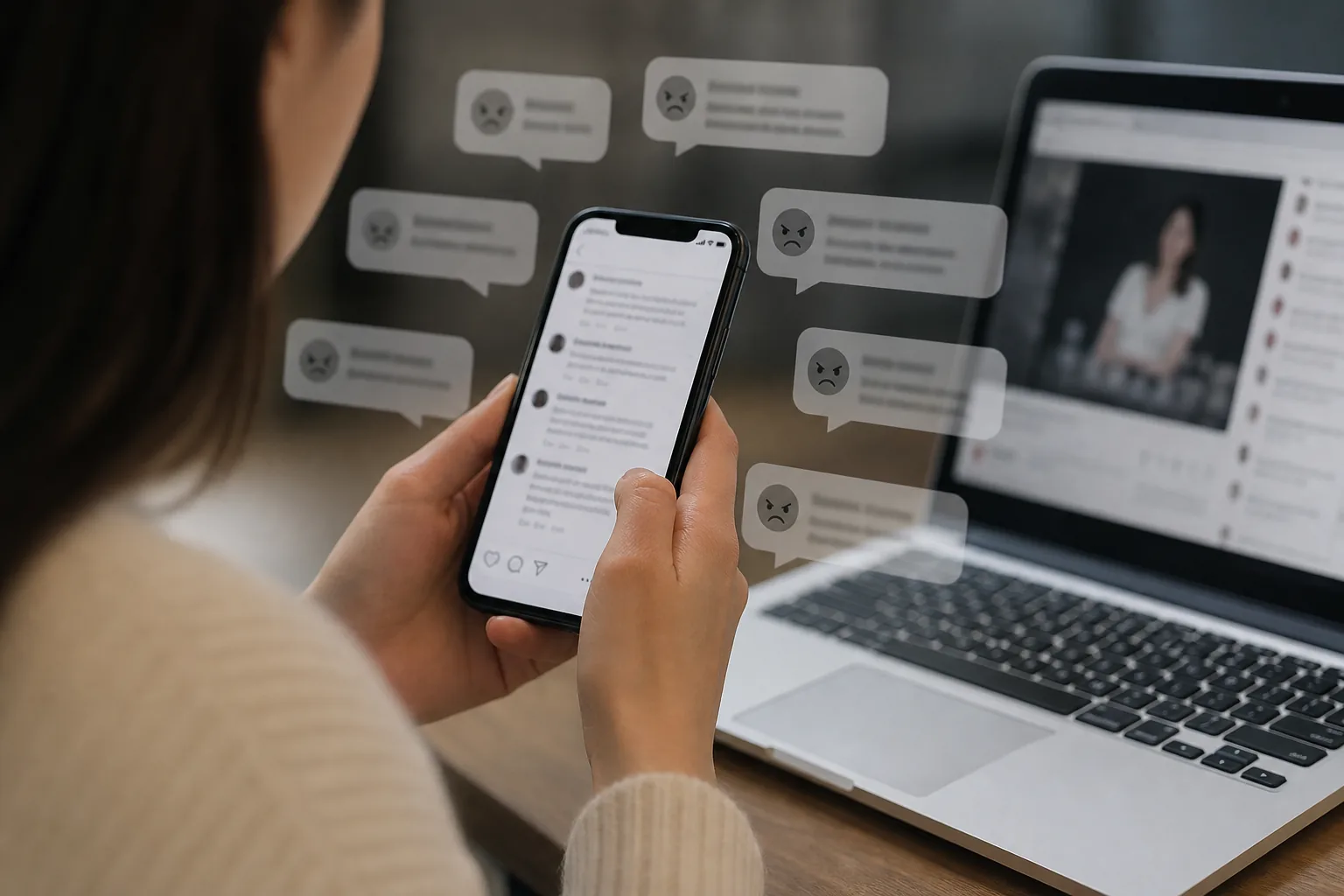
The singer also expressed concern about people who receive penalties for harmful posts and then treat the outcome casually online. That reaction, she suggested, misunderstands the seriousness of the process. In an industry where performers are expected to absorb constant judgment, her comments served as a reminder that the people posting are also accountable for what they choose to publish.
Baek’s remarks stand out because they connect the legal issue to mental health rather than treating it only as a celebrity management problem. Public figures often face a difficult balance: they depend on attention, discussion, and fan engagement, but they can also become targets of invasive comments about family, appearance, relationships, career choices, and private history.
Mental Health Support Behind The Scenes
During the same radio appearance, Baek introduced a support group called GEM, short for Gatekeepers for Entertainers’ Mental Health. The group reportedly includes well-known figures such as Shin Ae Ra, Lee Sung Mi, and Song Eun Yi, and was formed after members found themselves attending too many funerals for fellow entertainers who had died by suicide.
Baek said members have spent several years studying trauma and reaching out to entertainers who may be struggling emotionally, even when they are not personally close. Mental health professionals also help guide the group’s efforts. That structure suggests a quieter, peer-based response to a problem that often becomes visible only after a crisis has already happened.

The existence of GEM highlights a gap that many entertainment workers have described for years. Singers, actors, comedians, broadcasters, and idols can be surrounded by managers, staff, and fans while still feeling isolated when public attention turns hostile. A support network built by fellow entertainers may be especially important because its members understand the particular pressures of being watched, evaluated, and discussed at scale.
Why The Discussion Resonates Now
Baek’s comments also fit into a wider Korean entertainment conversation about where public critique ends and abuse begins. Agencies have increasingly announced legal action against defamation, sexual harassment, privacy violations, and false rumors, while fans have become more active in collecting malicious posts and submitting them to companies. Still, enforcement remains uneven, and online platforms can make harmful comments spread faster than corrections or apologies.
For artists, the stakes are not limited to reputation. Repeated personal attacks can affect sleep, anxiety, family relationships, and the ability to work in public. Baek’s decision to speak openly about legal action gives weight to the idea that protecting entertainers requires more than asking them to ignore abuse. It requires boundaries, professional support, and consequences for behavior that causes harm.
Baek Ji Young, who has spent decades in the public eye, also brings the perspective of someone who has lived through different eras of celebrity scrutiny. The speed of online reaction has changed, but the basic burden remains familiar: public figures are expected to continue performing while absorbing intense commentary about their lives.
Her message was not that all criticism should disappear. Rather, it was that personal attacks, especially those involving family or deeply private matters, should not be normalized as part of fame. By linking legal accountability with mental health support, Baek added a measured but firm voice to an issue that continues to shape Korean entertainment culture.



Join the Conversation
Log in to share your thoughts and join the conversation with other fans.