
Chungha Reflects on the Gap Between Her Childhood Goals and Life at 30

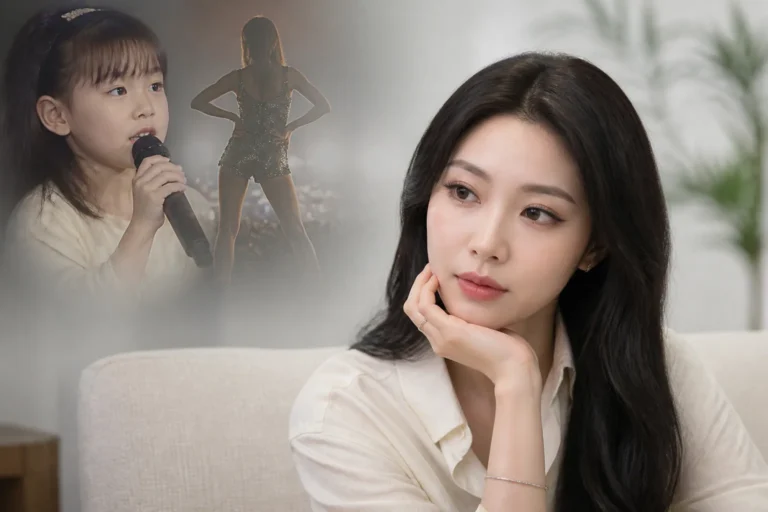
Chungha has offered a candid look at the distance between the adulthood she imagined as a child and the one she is living now. During a recent YouTube conversation with Gabi, Ji Ye Eun and Heize, the singer discussed turning 30 and the personal benchmarks she once expected to have reached by that age.
She said that, when she was younger, she pictured her thirties very differently: a home of her own, a car and far more dating experience. Reaching the age did not make those expectations disappear, but it gave them a more complicated shape. The conversation centered less on regret than on how easy it is to build a fixed image of adulthood before experiencing its costs and choices firsthand.
A familiar idea of arriving
For performers whose work is visible to millions, assumptions about what success should look like can be especially strong. A busy career, hit songs and a recognizable public profile can create an impression that every other part of life must be settled too. Chungha’s remarks pushed back on that neat picture, separating professional achievement from the private milestones people often attach to it.
The singer’s reflection also spoke to the difference between having access to a comfortable lifestyle and feeling ready for the long-term commitments behind it. Owning a home, maintaining a car or building a relationship are not simply symbols of arriving; they bring financial, practical and emotional decisions that can look very different from the outside.

Gabi added her own perspective after recalling a visit to Chungha’s home from an earlier period in her career. At the time, the space looked like the kind of place she associated with a successful woman in her thirties. Later, she said she understood the tension Chungha had described: a home can be appealing and still not feel like a realistic purchase or a permanent answer.
Career success on its own timeline
Chungha’s career has already included several milestones. She first drew wide attention through Produce 101, where her dance ability helped her finish fourth. She then debuted in 2016 as part of the project group I.O.I, whose releases included “Very Very Very,” “Whatta Man” and “Downpour.”
After I.O.I completed its activities, Chungha began her solo career in 2017 with the mini album Hands On Me. That transition established her as a performer with a distinct identity beyond the project group, while also placing her on a professional path with its own demands and uncertainty.
This year also brought an I.O.I reunion to mark the group’s 10th debut anniversary. The members released the song “Suddenly”, reconnecting a major chapter of Chungha’s early career with the present. The release’s chart and music-show results underscored the lasting recognition attached to the group’s brief but influential run.

Making room for an honest answer
The recent conversation did not present adulthood as a checklist that had gone wrong. Instead, it acknowledged that the markers people inherit from family, television and culture can be difficult to match with real finances, schedules and personal priorities. For Chungha, the point was not that success has failed to arrive, but that it does not automatically resolve every question people expect it to answer.
That distinction is particularly meaningful in K-pop, where public milestones are counted closely: debuts, sales, awards, tours and anniversaries. Chungha’s comments shifted the focus to the quieter side of growing up, where progress may be harder to measure and plans can change without becoming disappointments.
As she enters a new decade, her story offers a grounded reminder that a public career and a private life do not follow the same schedule. The house, car and relationship she once imagined may remain possibilities rather than deadlines, while the work she has already built continues to define a successful career on terms that are more personal than a childhood blueprint.



Join the Conversation
Log in to share your thoughts and join the conversation with other fans.