


A debate over creative recognition has emerged around aespa’s 2024 hit ‘Whiplash’, bringing renewed attention to the often complex division of labor behind K-pop choreography. The discussion was previewed on a new dance competition program, where choreographer Renan described feeling overlooked after an award for the song’s choreography went to the team La Chica.
The disagreement is not simply about one trophy. It raises a familiar question for performance-based pop music: when several artists shape a routine, how should credit be understood when one section becomes the image that audiences remember most?
A claim of extensive involvement
Renan said she created roughly 80 percent of the choreography for ‘Whiplash’. She also described taking part in dance lessons with aespa, attending the music-video shoot and directing the group’s dance-practice video. In her view, that body of work made the result of the 2025 KOREA Awards difficult to accept.
The choreography daesang for the song went to La Chica, whose contribution included the chorus highlight that became a defining feature of the performance. Renan said the experience left her feeling that her own work had not been fully recognized, and she recalled becoming emotional after the ceremony.
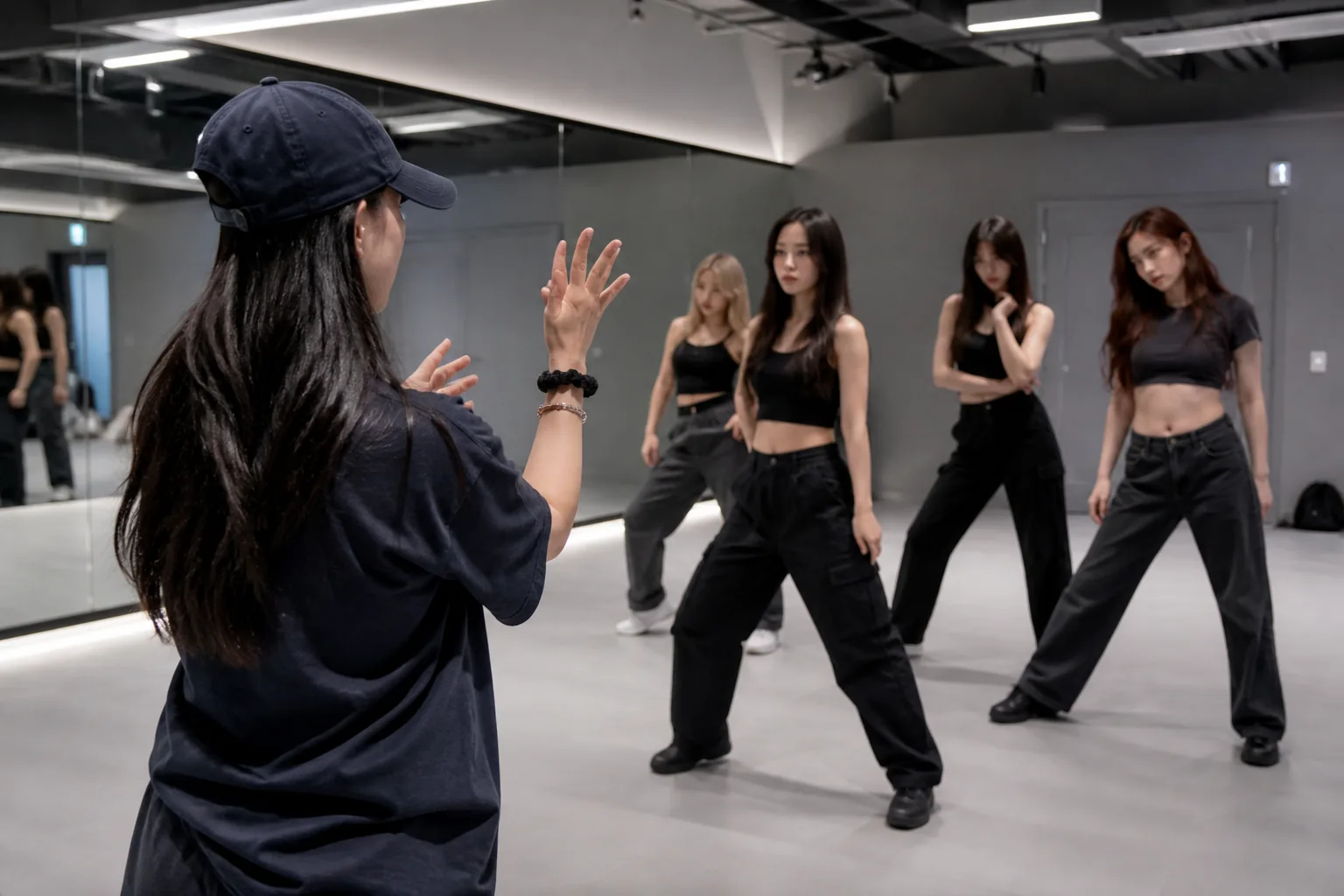
Her comments gave the dispute a personal dimension, but they also offered a rare look at a process that is usually seen only in its finished form. By the time an idol group performs onstage or releases a practice video, the work may have passed through choreographers, dancers, creative directors, members and production staff. Individual roles can be substantial even when they are not immediately visible to the public.
Why one moment can shape the conversation
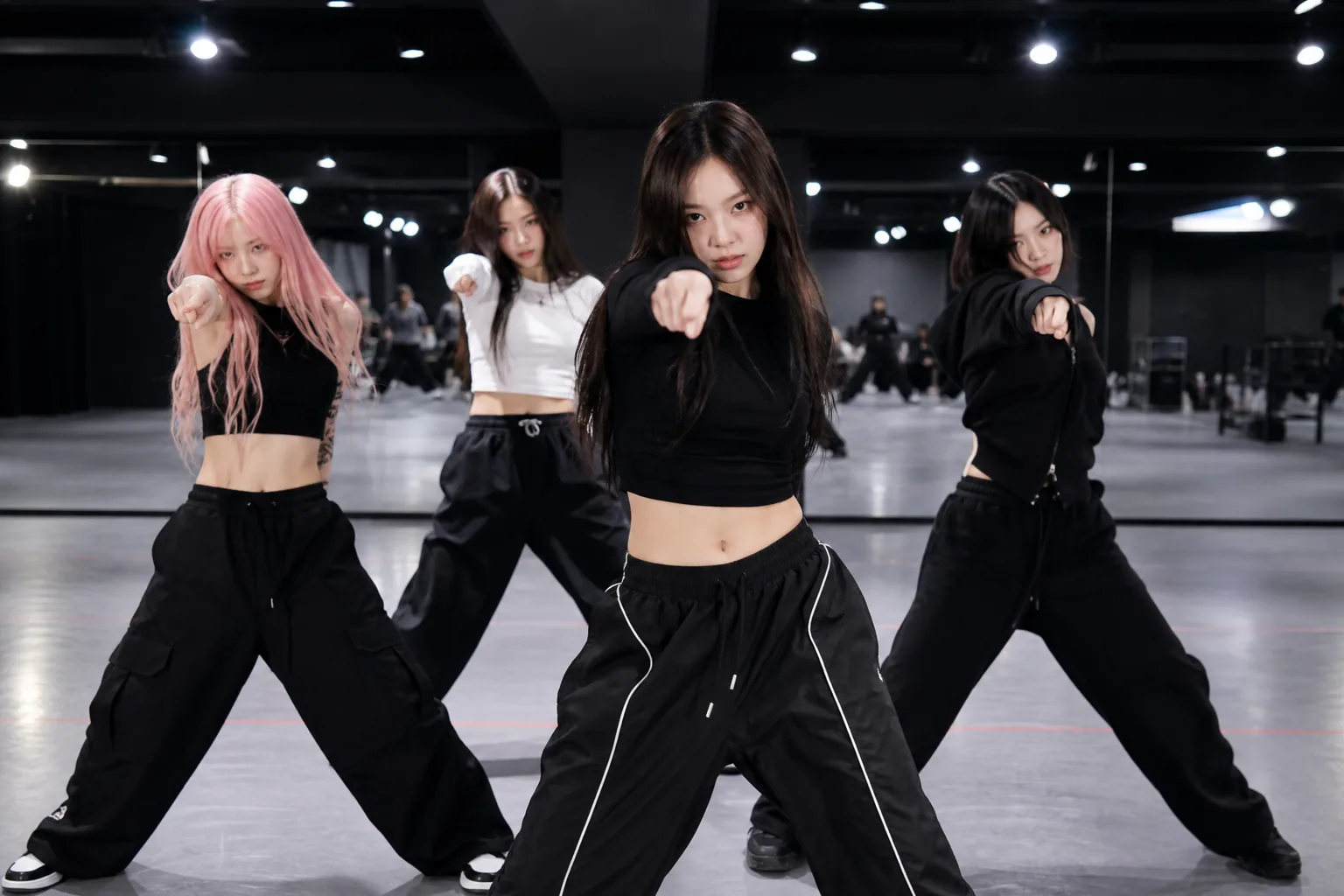
La Chica member Simeez responded in the program preview by arguing that a stronger chorus highlight might have changed the award outcome. Fellow choreographer Bada similarly emphasized the impact of the neck-focused movement in the chorus, suggesting that it was the element that lodged most firmly in the public imagination.
That distinction captures the central tension in the discussion. A choreography can be technically demanding and structurally detailed from beginning to end, yet a short, easily identifiable sequence may be what gives it cultural reach. For award voters and viewers, the memorable gesture can come to stand in for the entire routine.
In K-pop, this is especially significant. Choreography is built not only for concert stages but also for music videos, short-form clips, challenge videos and repeat viewing. A compact point move can help a song travel across platforms, giving it a life beyond the original release. That visibility may make its creator’s contribution appear larger, even when the finished work is more widely shared.
Credit in a collaborative field
The episode preview has prompted discussion about the difference between contribution, ownership and recognition. These terms do not always align neatly. A choreographer may develop most of a routine, while another person supplies the section that becomes its public calling card. Both efforts can be essential, but awards often require a single choice.
The situation also underlines why clear documentation matters in collaborative performance work. Credits, rehearsal roles and creative direction can all carry weight, particularly when a song’s choreography wins honors or becomes commercially prominent. Transparent crediting does not remove every disagreement, but it can offer a fuller record of how a final performance came together.
For aespa, ‘Whiplash’ remains a song closely associated with a precise, forceful visual identity. The current conversation does not change that achievement. Instead, it turns attention toward the people behind the movement and the difficult task of deciding which parts of a collective creation receive the most visible recognition.
As the program airs, the exchange may continue to sharpen debate over how the K-pop industry values choreography. The broader issue reaches beyond one song or one award: in an art form built through collaboration, the most memorable move and the most extensive contribution are not always the same thing.



Join the Conversation
Log in to share your thoughts and join the conversation with other fans.