
A2O MAY Fan Platform Faces Debate Over AI Voice Chats

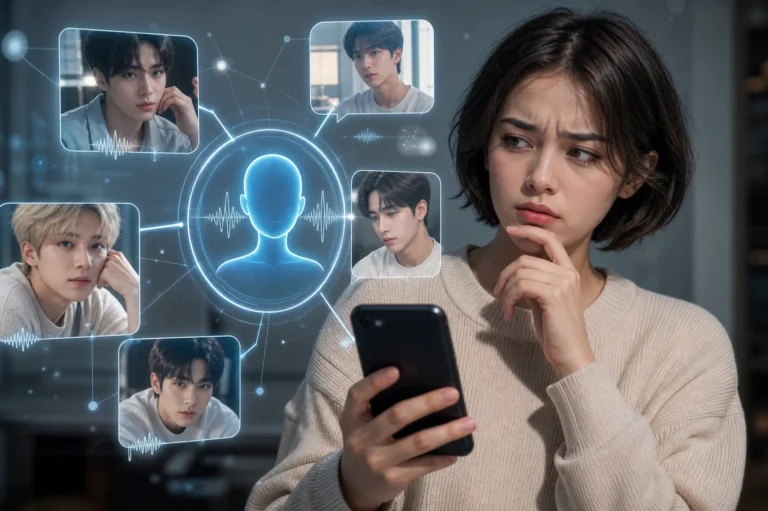
A new fan communication service linked to A2O Entertainment is drawing attention for features that let users exchange messages and make voice calls with AI models designed around participating artists. The platform, called BloomingTalk, combines conventional artist messaging with an AI option that is available beyond the times when artists are actively sending updates. Its launch has opened a wider discussion about how K-pop fan services should present synthetic interactions and where the boundaries of authenticity should sit.
A2O MAY is among the artists featured on the service. BloomingTalk separates its offerings into two formats: Human Talk, for messages sent by the artists themselves, and AI Talk, for conversations generated by a model trained to reflect an artist’s conversational style and voice. The distinction is important, because the two formats promise very different kinds of access even when they appear inside the same app.
Two Types of Fan Communication
In the Human Talk section, fans receive the familiar form of paid fan-platform communication: messages issued by the performers. AI Talk, by contrast, is designed for on-demand exchanges. Users can send messages to an artist-inspired AI at any hour, and the platform also offers voice-call functionality that recreates the artist’s voice.
The service is being offered through paid passes and additional message credits. A pass for an individual A2O MAY member’s AI Talk feature is priced at 6,800 won, while further credits are available in tiers after a user exhausts the included messages. That structure places the product alongside other subscription-based fan services, while making the AI component a separately monetized part of the experience.
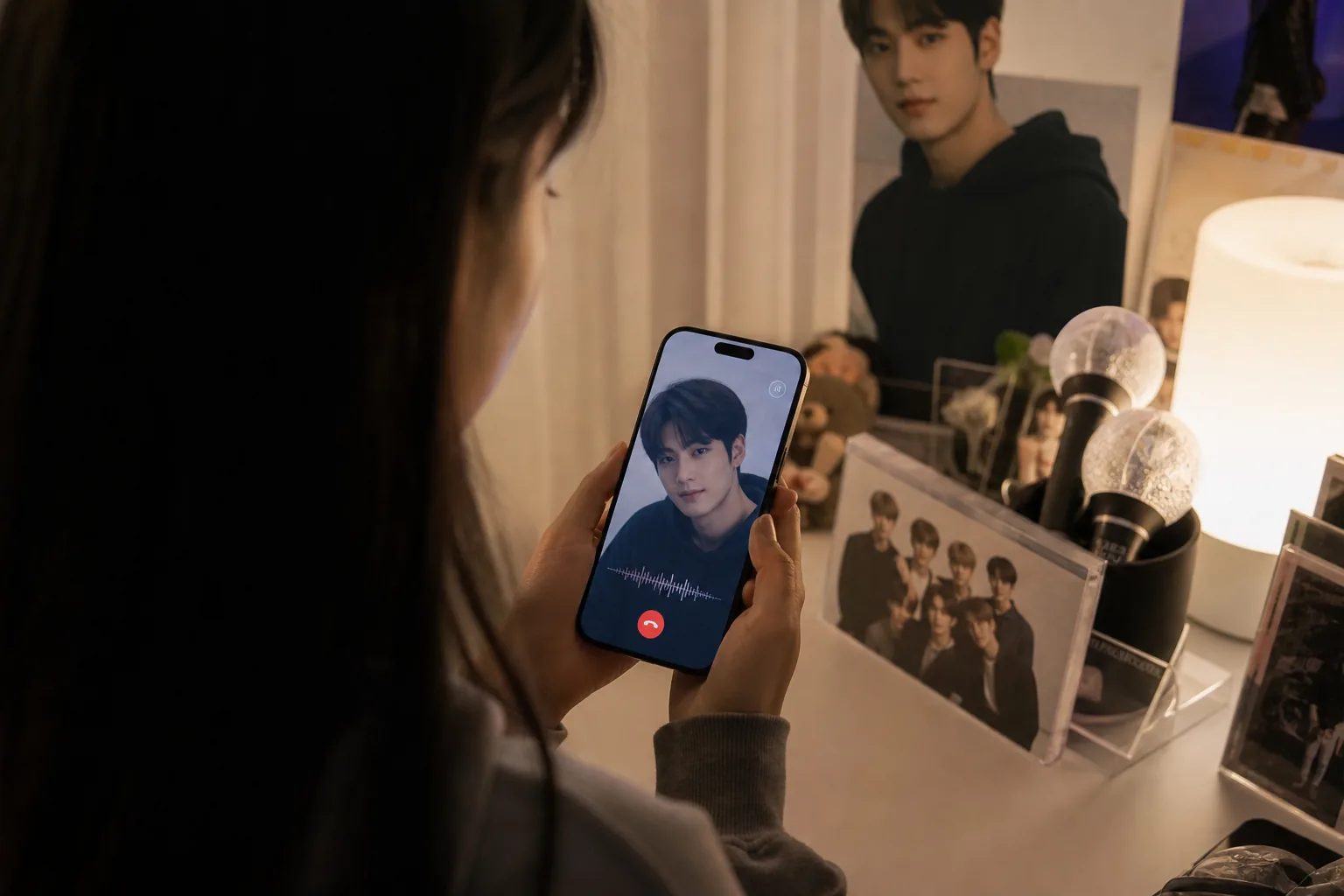
For fans, the appeal is easy to see. A reply that arrives immediately can feel more interactive than a one-way update, and a voice feature adds another layer of familiarity. In an industry built around frequent digital contact, the model offers an always-on extension of the relationship that fans already have with performers’ public personas.
Questions About Authenticity and Boundaries
The same features have prompted reservations online. Some observers argue that an AI trained on an artist’s manner of speaking and vocal identity can blur the line between a tool inspired by a performer and an actual interaction with that performer. The issue is not simply whether users know the technology is artificial; it is also how the experience is framed and marketed when it is sold as a personal connection.
BloomingTalk has promoted its service with language centered on connection, real-time conversation, and memorable exchanges. Critics have questioned whether those terms are precise enough for an experience in which the reply is generated by a system rather than written or spoken by the artist. Supporters may view the feature as an inventive form of entertainment, but the wording matters because fan platforms trade heavily on intimacy and trust.
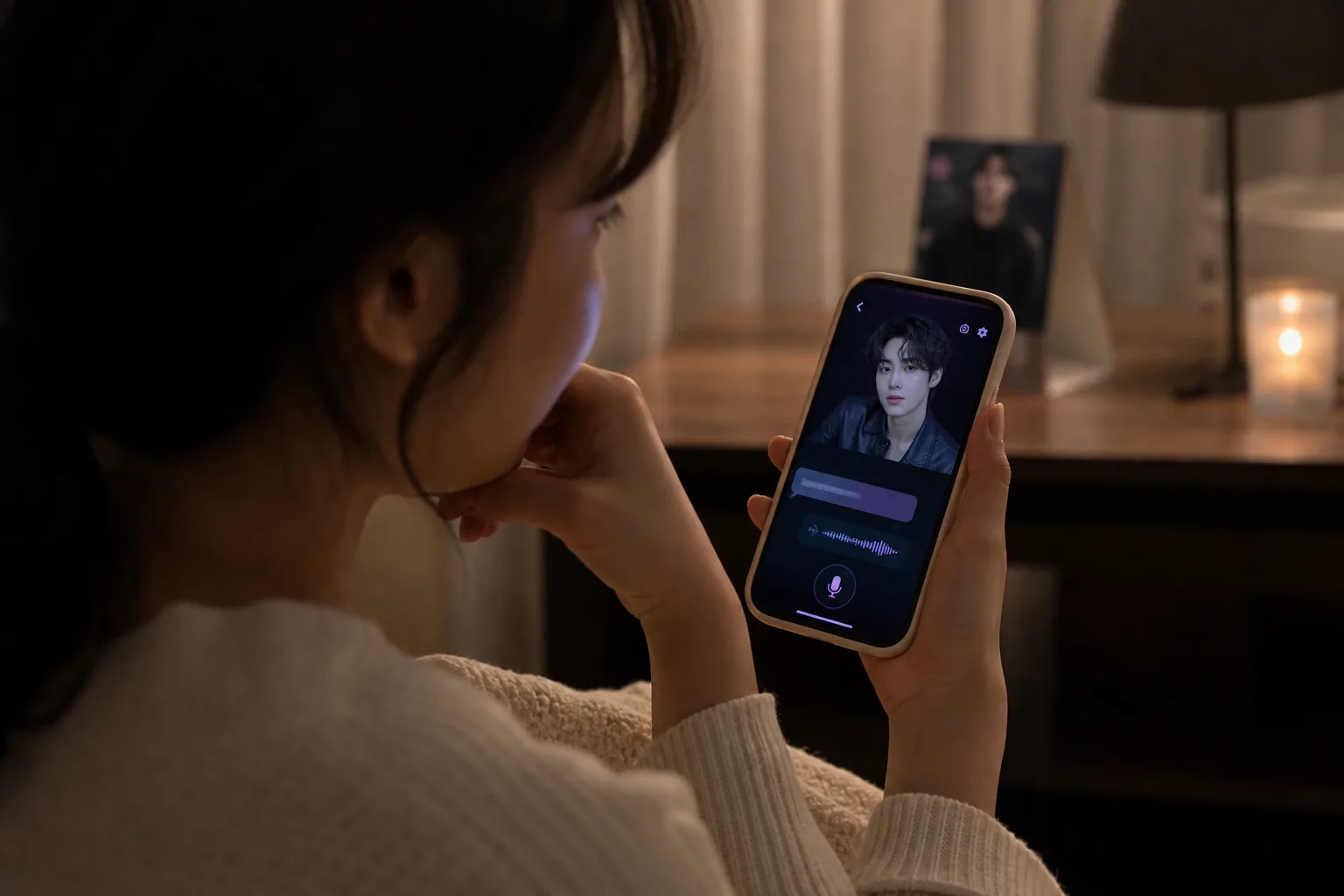
A newer Secret Chat function has intensified that conversation. The platform says these conversations are private to the user and the AI artist, and that the artist whose voice informed the feature cannot view them. That claim may reassure users seeking a more personal space, yet it also raises practical questions about what privacy means in a commercial AI service, how conversations are handled, and how clearly the product’s limitations are explained.
A Test Case for Artist-Inspired AI
The debate arrives as entertainment companies experiment with AI in areas that once depended entirely on human performance. Voice and personality are especially sensitive territory because they are central to how fans recognize an artist. A synthetic conversation can be useful as a playful companion feature, but it can also create expectations that differ sharply from the reality of the artist’s availability or involvement.
For platforms, transparency will likely determine how sustainable these services become. Clear labeling, meaningful separation between artist-authored and AI-generated messages, and straightforward information about data handling can help users make informed choices. Artists and agencies will also need to decide how much control performers have over the use of their voice, style, and likeness as these tools evolve.
BloomingTalk’s model is therefore more than a new app feature. It is an early example of how K-pop’s digital fan economy may change when AI can simulate the small, familiar exchanges that once made direct messaging feel special. The technology can expand access, but its long-term reception will depend on whether fans feel the experience is being offered with clarity, respect, and appropriate limits.
Join the Conversation
Log in to share your thoughts and join the conversation with other fans.