

BTS’s decision not to submit music for the next Grammy Awards cycle has renewed debate over how global pop artists are recognized.

BTS’s decision not to submit music for the next Grammy Awards cycle has turned into a larger debate about recognition, categorization, and the place of K-pop within global music institutions. The group members recently agreed that they would not enter the process this year, a move that quickly drew attention because of BTS’s long and closely watched history with the awards.
The decision arrived at a sensitive moment for fans, many of whom have spent years following the group’s attempts to be evaluated alongside the world’s biggest pop acts. BTS has already achieved the kind of commercial reach, cultural influence, and touring power that few artists in any language can match. For supporters, the question is no longer whether the group belongs in international awards conversations, but whether those conversations are structured fairly.
A Response That Did Not Settle The Issue
Recording Academy chief executive Harvey Mason Jr. responded publicly by saying he was saddened by the group’s choice while respecting it as a decision by music creators. He also addressed criticism surrounding the creation of a new Asian Pop category, explaining that the category was intended to celebrate the growth and range of pop artistry from Asia rather than separate artists from the main field.
That explanation did little to calm the conversation. Online reaction among Korean netizens and international fans remained sharply critical, with many arguing that a regional category risks narrowing the way Asian artists are perceived. The concern is not simply about whether a dedicated category exists. It is about whether artists who dominate global charts and command worldwide audiences will still be treated as exceptions within categories defined by geography or language.
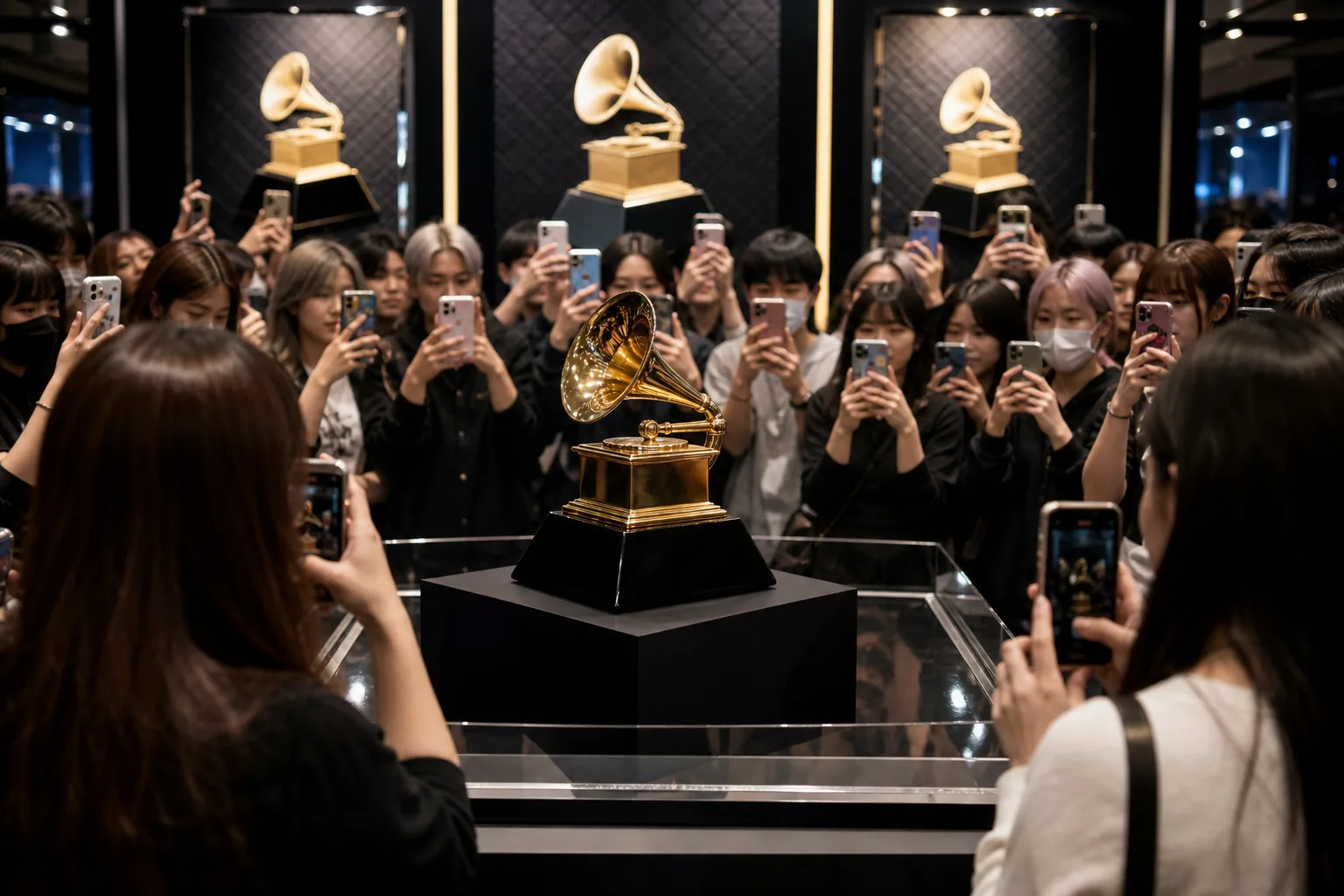
The controversy reflects a recurring tension in global pop. Award shows often expand their category lists to acknowledge more markets, scenes, and traditions. Those expansions can create new visibility for artists who might otherwise be overlooked. At the same time, they can also raise difficult questions when acts from those markets are already competing at the highest level of mainstream pop culture.
Why Fans See The Stakes Differently
For BTS fans, the issue carries a long history. The group has been nominated at the Grammys before and has performed on the show’s stage, but many supporters believe its biggest achievements have not been fully reflected in voting outcomes. That frustration has shaped how new category decisions are received. Even a category described as celebratory can be interpreted as a signal that Asian pop should be contained rather than assessed across the full awards field.
The strongest reaction has centered on symbolism. Fans are questioning who gets to define the boundaries of pop music at a time when streaming, touring, and social media have already made those boundaries far more fluid. BTS built much of its global ascent by crossing markets without abandoning Korean-language releases or the identity of K-pop. That history makes the idea of regional separation especially charged.
The Recording Academy’s position is that more categories can mean more recognition. Critics counter that recognition must not come at the cost of limiting where top artists are considered competitive. The debate is therefore less about one category name than about trust. Fans want confidence that Korean and Asian artists can be honored in genre and general categories when their work has the reach and impact to merit it.

A Broader Conversation For K-Pop
BTS’s decision may also influence how other K-pop acts approach major Western awards. The group’s choices often carry symbolic weight because of its scale, and this moment could encourage labels, artists, and fan communities to think more carefully about what awards participation means. Submitting music is not only a promotional step; it can also be read as acceptance of the rules and categories that shape the competition.
For the broader K-pop industry, the conversation lands during a period of continued international growth. Groups from multiple agencies now headline festivals, chart across regions, and build multilingual fan bases from the start of their careers. As the field expands, the pressure on awards bodies to define global pop more coherently will likely grow as well.
There is also a practical side. Awards remain useful for visibility, prestige, and industry validation, but artists with large global audiences have more leverage than before. When a group at BTS’s level chooses not to participate, it sends a message that recognition systems must compete for artists’ trust, not only the other way around.
The Grammy debate is unlikely to end with one statement or one awards cycle. BTS’s decision has made clear that fans are watching not just nominations and trophies, but the architecture behind them. Whether the new category becomes a meaningful platform or a point of continuing criticism will depend on how consistently Asian artists are also considered across the wider awards landscape.



Join the Conversation
Log in to share your thoughts and join the conversation with other fans.