


Jennie and Tame Impala have reached a new high point on U.S. radio with Dracula, as the collaboration climbed to No. 2 on Billboard’s Radio Songs chart. The latest movement gives both artists a career-best position on the all-genre radio ranking, underscoring how far the track has traveled beyond its initial fan-driven momentum.
The Radio Songs chart measures weekly airplay across U.S. radio stations, making the No. 2 placement a notable signal of broad programming support. For Jennie, who is already one of K-pop’s most recognizable global solo figures, the result adds another major marker to a year shaped by cross-format visibility and international chart consistency.
Dracula has been especially strong on mainstream pop radio. The song remained at No. 1 on Billboard’s Pop Airplay chart for a fourth consecutive week, showing that its radio performance is not limited to a brief spike. A four-week run at the top of that format suggests sustained rotation, familiarity with listeners, and confidence from radio programmers.
A Collaboration Built For Multiple Formats
The pairing of Jennie and Tame Impala gives Dracula a distinct position in the current pop landscape. Jennie brings the global reach of BLACKPINK and her own solo identity, while Tame Impala adds a psychedelic pop and alternative sensibility that has long crossed genre lines. Together, the track has found room on charts that do not usually move in identical patterns.
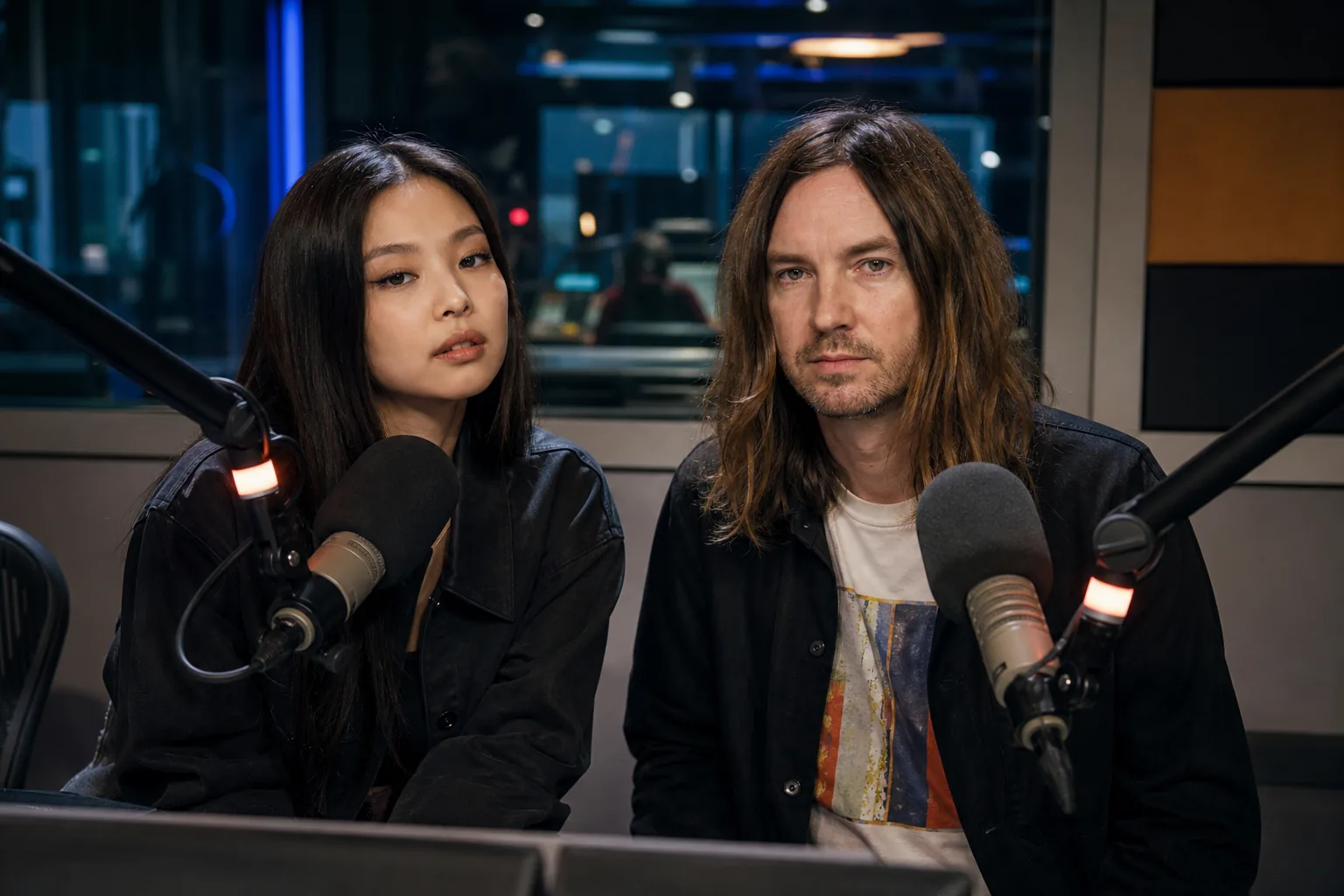
That crossover is visible in the song’s broader Billboard performance. Along with its Radio Songs and Pop Airplay gains, Dracula held No. 1 positions on Adult Pop Airplay, Hot Dance/Electronic Songs, Hot Rock & Alternative Songs, and Dance Streaming Songs. Those placements point to a rare combination: a track that can function as a pop radio hit while still carrying enough stylistic range to register across dance, alternative, and streaming-focused rankings.
On the Billboard Hot 100, Dracula stayed at No. 6, keeping the song inside the upper tier of the main U.S. singles chart. The Hot 100 combines streaming, sales, and radio activity, so its continued strength reflects more than one source of audience engagement. The single’s radio growth may now be helping stabilize its overall chart life at a stage when many songs begin to slip after their first wave of attention.
Jennie’s Solo Momentum Continues
The song also maintained No. 7 positions on both the Billboard Global 200 and Global Excl. U.S. charts. Those rankings are closely watched for internationally active artists because they show how a song is performing across markets, not only in the United States. For Jennie, the result reinforces her ability to hold a global audience as a soloist while still remaining connected to BLACKPINK’s larger cultural footprint.
Dracula also kept its No. 11 peak on Billboard’s Songs of the Summer chart in its ninth consecutive week on the ranking. That kind of staying power matters because seasonal charts often reward songs that remain present in public spaces, radio playlists, streaming habits, and social listening throughout a longer cultural window.

Jennie also logged her 20th week as a soloist on Billboard’s Artist 100, appearing at No. 82. The Artist 100 measures overall artist activity across key Billboard charts, and her continued presence there shows that Dracula is contributing to a wider solo profile rather than standing as an isolated single-week success.
The latest chart update places Dracula among the most visible international pop collaborations of the moment. Its radio rise is particularly important because U.S. airplay has historically been one of the more difficult lanes for K-pop soloists and Korean pop-adjacent releases to sustain. Reaching No. 2 on Radio Songs does not simply mark another number on a chart; it reflects a level of mainstream radio adoption that can extend a song’s lifespan well beyond its release cycle.
For Jennie, the milestone continues a pattern of expanding solo reach through collaborations, fashion visibility, and music that travels across audiences. For Tame Impala, it adds another mainstream pop breakthrough to a career known for moving between alternative credibility and major commercial moments. Together, Dracula has become a clear example of how global pop collaborations can build momentum across radio, streaming, and genre-specific charts at the same time.



Join the Conversation
Log in to share your thoughts and join the conversation with other fans.