


KATSEYE’s latest pre-release rollout has moved from ordinary comeback anticipation into a wider online debate after listeners began comparing a teaser for “Animal” with CLC’s 2019 single “Devil.” The discussion intensified when Sorn, a member of CLC, appeared to engage with a side-by-side comparison of the two tracks on social media, prompting fans to debate whether her action was a quiet endorsement of the criticism or simply a response to a viral conversation involving her own group.
The clip at the center of the discussion features the active KATSEYE members performing part of the chorus choreography for “Animal,” which was released on July 24. As the teaser circulated, some viewers argued that the melodic shape and performance feel reminded them of “Devil.” Others pushed back, saying short teaser excerpts are not enough to support firm claims and that surface-level similarities often become exaggerated once social media frames two songs as connected.
The debate has become especially sensitive because KATSEYE is positioned as a global group operating at the intersection of K-pop training, Western pop songwriting, and HYBE’s international strategy. For supporters, that context makes the plagiarism accusations feel premature and overly hostile. For critics, it raises familiar questions about how major agencies handle references, trends, and creative overlap when building music for a global audience.
A Repost Turns A Fan Debate Into A Wider Flashpoint
Sorn’s apparent repost of a video comparing “Animal” and “Devil” changed the tone of the conversation. She did not issue a formal statement or directly accuse KATSEYE of copying CLC, but many fans interpreted the repost as meaningful because it came from someone personally connected to the older song. In online fandom spaces, even a small public interaction can be read as a signal, especially when it involves an artist whose work is being discussed.
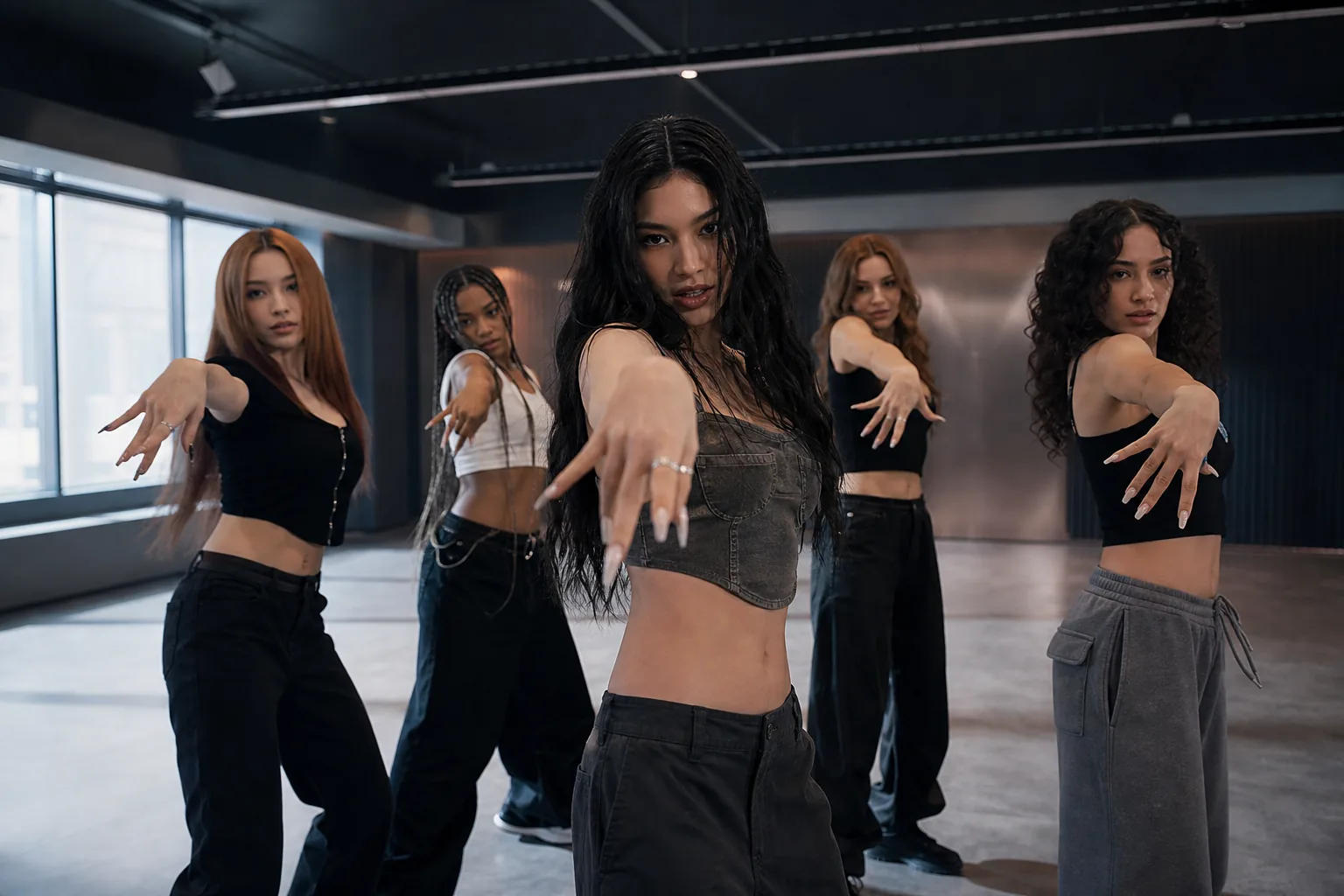
That interpretation quickly split viewers. Some praised Sorn for acknowledging a comparison that many CLC fans had already noticed, framing the reaction as a former member standing up for her group’s musical legacy. Others criticized the move as unnecessary, arguing that it fueled backlash against KATSEYE before the full song had time to be heard in context. The sharpness of the response shows how quickly K-pop discourse can move from music criticism to personal judgments about artists’ motives.
At the same time, the situation illustrates the complicated status of older girl group releases in today’s fandom landscape. CLC’s discography has long been championed by dedicated fans who believe the group deserved more recognition during its active years. When a new, high-profile act is perceived to echo one of those songs, the reaction is not only about a few seconds of melody or choreography. It can also become a conversation about credit, influence, and whether past work is being remembered fairly.
Why Short Teasers Often Produce Big Claims
Similarity debates are common in pop music because songs are built from shared tools: repeated hooks, familiar chord movement, rhythmic chants, and dance phrases designed for short-form video. A teaser can heighten that effect because listeners hear only a compressed section, often without the verse, bridge, production changes, or full arrangement that might distinguish the final track. In K-pop, where comeback promotion relies heavily on brief clips, the risk of instant comparison is built into the marketing cycle.
The credits attached to “Animal” have also become part of the discussion, with fans pointing to the involvement of Ed Sheeran as a reason they find deliberate borrowing from CLC unlikely. That argument has not settled the matter, largely because online plagiarism debates are rarely limited to intent. Many viewers are instead reacting to what they hear or see in the teaser and to how closely the two clips appear to align when edited together.

There is also a broader industry question beneath the fan argument. K-pop has become more global, but its audiences remain deeply attentive to lineage. Fans track who wrote a song, which producers worked on it, what earlier concepts it resembles, and how companies respond when concerns surface. That scrutiny can be harsh, but it also reflects how seriously listeners treat the genre’s creative history.
For KATSEYE, the immediate challenge is to keep attention on the full release rather than allowing a teaser controversy to define the song. The group has already faced intense visibility as a HYBE-backed global act, and every promotional choice is likely to be measured against both K-pop expectations and international pop standards. A complete performance, official credits, and any future response from the parties involved may shape whether the discussion fades or becomes part of the song’s public narrative.
For now, the debate remains unresolved. Sorn has not publicly explained the intent behind her repost, and no formal claim has been made through official channels. What is clear is that “Animal” has become more than a routine teaser: it has opened another conversation about originality, memory, and the speed at which K-pop fandom can turn a few seconds of music into a major talking point.



Join the Conversation
Log in to share your thoughts and join the conversation with other fans.