


Sandara Park has revisited one of the most formative chapters of her life, describing how a childhood move to the Philippines left her nearly silent for years before music gradually became the dream that carried her forward. The 2NE1 member, now widely known as one of K-pop’s most recognizable cross-cultural entertainers, spoke about the period in a recent online conversation that looked back on her years before debut.
Her account centered on the dramatic shift she experienced after moving from South Korea to the Philippines when she was around ten years old. Park said she arrived during elementary school and remained there into her early twenties, meaning that much of her adolescence and young adulthood unfolded outside Korea. Those years later became central to her public identity, but she described the beginning as far more difficult than many fans might assume.
A Childhood Marked by Language Barriers
Park explained that she was already a shy child before the move, and the sudden pressure of living in a new language environment intensified that reserve. She said she struggled with both English and Filipino, leaving her unable to express herself with confidence at school. A painful classroom experience, in which other children laughed after she mispronounced words, made her withdraw even more.
The effect, as she described it, was not a brief period of awkward adjustment. Park said she spent nearly ten years barely speaking. At one point, the silence was so pronounced that a teacher attempted to communicate with her through sign language, apparently believing she might be unable to speak. Park recalled the moment as startling, but it also illustrated how deeply her reluctance to talk had shaped the way adults around her perceived her.
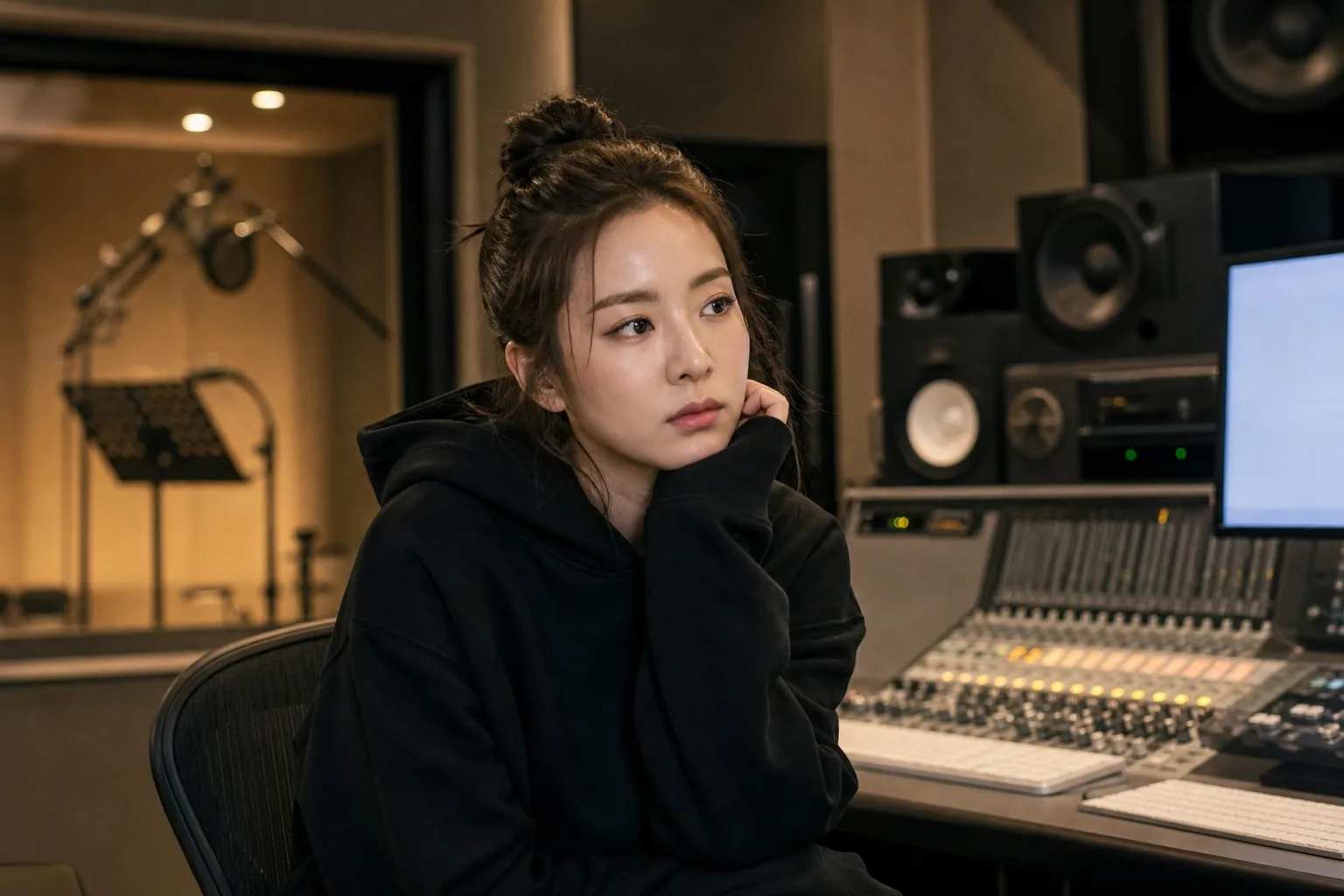
For young immigrants and students who grow up between languages, Park’s memory carries a familiar emotional weight. Mispronunciation can be treated casually by classmates, especially among children, but the embarrassment can linger. In Park’s case, the fear of being laughed at appears to have turned language from a tool of connection into a source of anxiety. Her story suggests that the difficulty was not simply learning vocabulary, but recovering the confidence to be heard.
Music Became a Private Escape
While her parents worried about her quietness, Park said she built a private routine after school. She would return home, listen to music, and watch Korean music videos borrowed from video stores. Those videos offered a link to Korean pop culture at a time when she felt socially isolated in her daily life. They also gave her a visual and emotional language that did not require her to navigate the pressures of a classroom.
Park recalled watching Seo Taiji and Boys and being drawn to the excitement of performance. At that stage, she said, the appeal was not only music itself but the sense of fun and possibility she saw on screen. Later, as a teenager, global pop stars such as Britney Spears and Christina Aguilera further shaped her interest in becoming an entertainer. The dream of appearing on television began to feel more concrete.
That background adds another layer to Park’s unusual career path. Before becoming a member of 2NE1 under YG Entertainment, she was already known to audiences in the Philippines, where she first gained fame through local entertainment projects. Her later K-pop debut did not erase those early years; instead, it turned her into a rare figure who could connect Korean and Filipino pop audiences through lived experience rather than image-making alone.
Why the Reflection Resonates Now
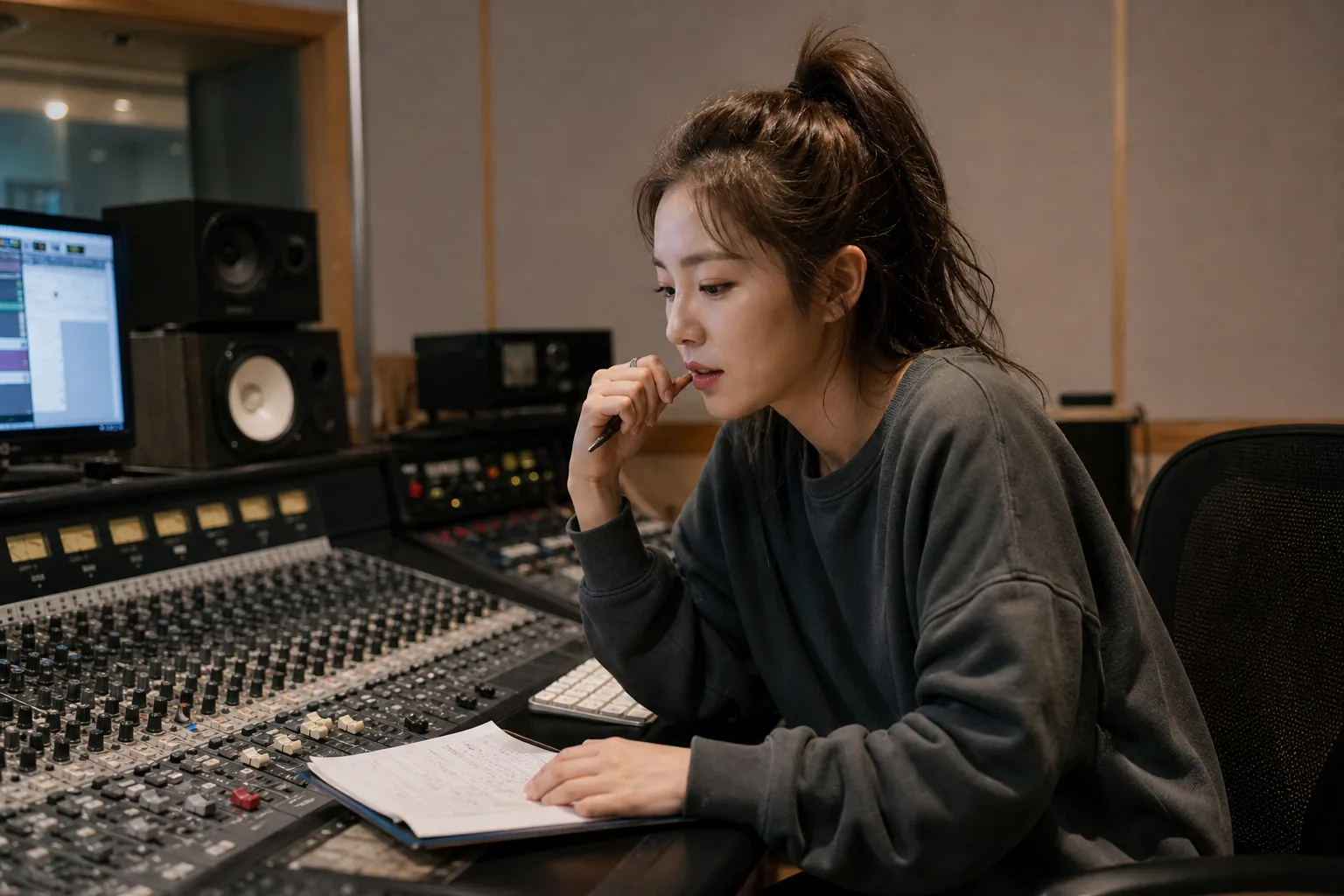
Park’s comments arrive in a K-pop environment where more artists are speaking openly about the emotional cost of youth, training, relocation, and public expectation. Her story is not framed as a simple hardship-to-success arc. It is more specific than that: a child who stopped speaking because language felt unsafe, then found a sense of direction through the performers she watched from home.
The reflection also complicates the bright, confident persona many viewers associate with Sandara Park. On stage and television, she has often been seen as energetic, playful, and socially fluent across cultures. Hearing that this public ease followed years of silence underscores how much personal adaptation can sit behind an entertainer’s image. Confidence, in her case, appears to have been built slowly rather than naturally granted.
For longtime fans, the remarks help explain why Park’s connection with the Philippines has remained more than a biographical detail. It was the place where she faced isolation, learned resilience, and first moved toward entertainment. It was also where she began turning private admiration for pop performers into a career goal. Her latest reflection shows that the years before 2NE1 were not a prologue to be skipped, but a defining part of the artist she became.



Join the Conversation
Log in to share your thoughts and join the conversation with other fans.