
Sandara Park Opens Up About Childhood Silence After Moving to the Philippines

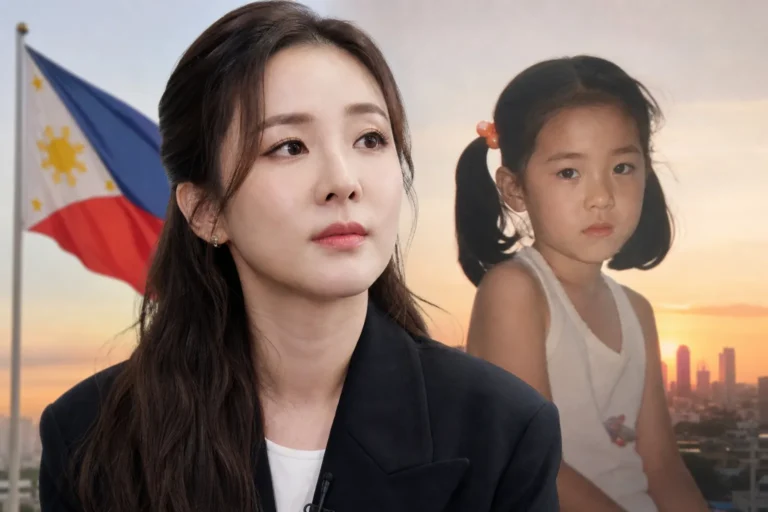
Sandara Park has offered a candid look at a difficult chapter of her childhood, recalling that she barely spoke for nearly a decade after moving from South Korea to the Philippines. The singer and actress, widely known as a member of 2NE1, described the experience as a period shaped by language barriers, shyness, and the quiet pressure of trying to grow up between cultures.
The reflection came during a July 24 appearance on Yoon Do Hyun’s YouTube series Yoon Do Hyun’s Guitar Etc., where Sandara looked back on the move that changed the direction of her life. She said her family relocated when she was 10 years old and in the fourth grade, placing her in an unfamiliar country at an age when school, friendships, and identity were still forming.
For many fans, Sandara’s public image is tied to warmth, humor, and an easy connection with audiences in both Korea and the Philippines. Her latest comments add a more vulnerable layer to that image. She explained that she was already reserved as a child, but the move made communication even harder because she could not speak English or Filipino with confidence.
A Childhood Defined By Adjustment
Sandara said the silence was not simply a matter of personality. It was also the result of being unable to express herself in the languages used around her. Everyday school life became complicated: answering questions, making friends, and defending herself from teasing all required a fluency she did not yet have. She recalled that some classmates made fun of her because she struggled to speak, leaving emotional marks during what should have been ordinary childhood years.
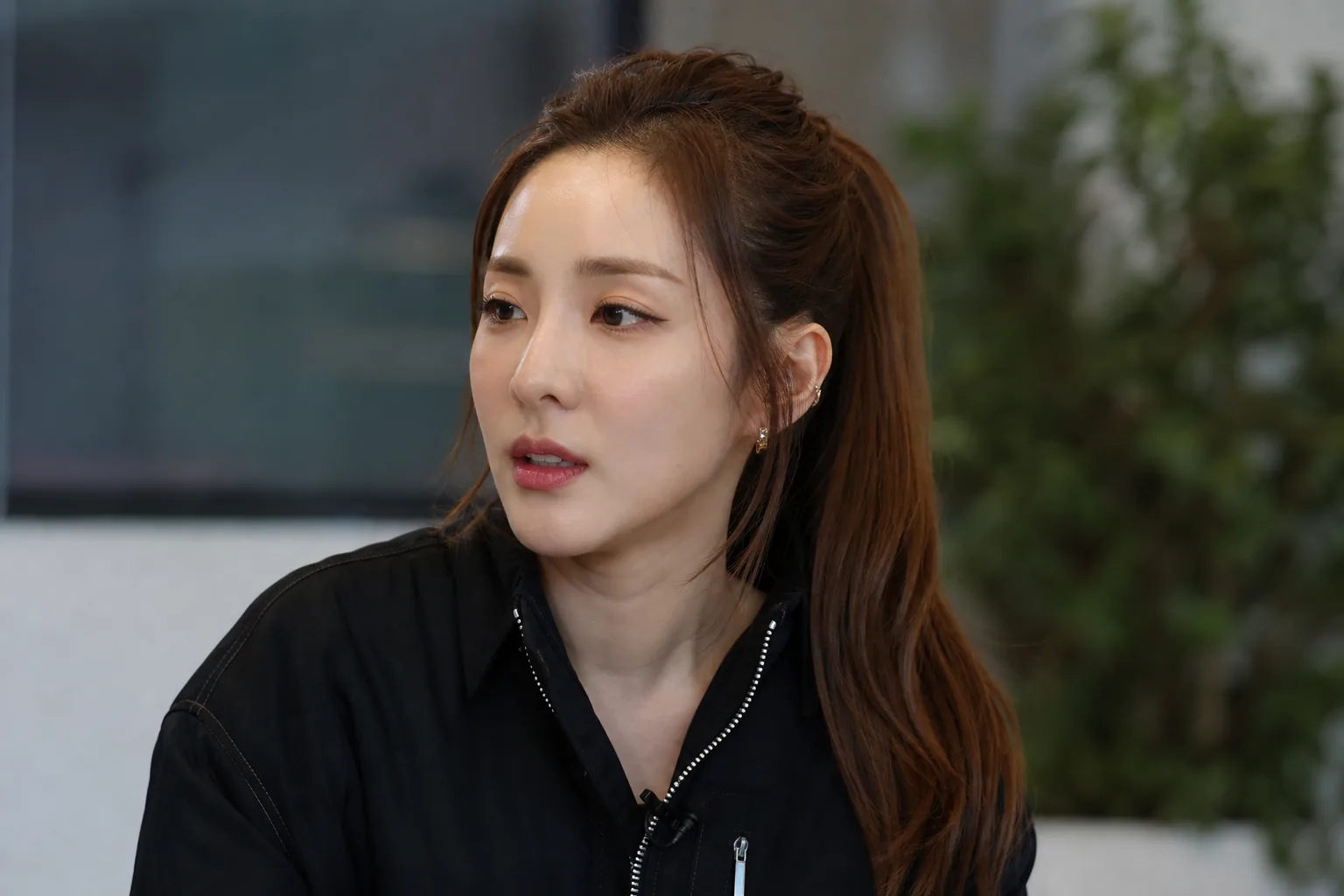
One memory stood out in particular. Sandara said a teacher once tried to communicate with her through sign language because the teacher believed she could not speak at all. The moment underlined how deeply her quietness had shaped the way others saw her. It also showed the isolation that can come with migration when a young person is present in a classroom but cannot fully participate in its social world.
Her account resonates beyond celebrity biography because it touches on a familiar immigrant experience: being perceived as silent, distant, or passive while actually working through fear and linguistic uncertainty. Children who move across cultures often face expectations to adapt quickly, but Sandara’s story shows how long that process can take and how invisible the strain may be to people around them.
Music As A Private Lifeline
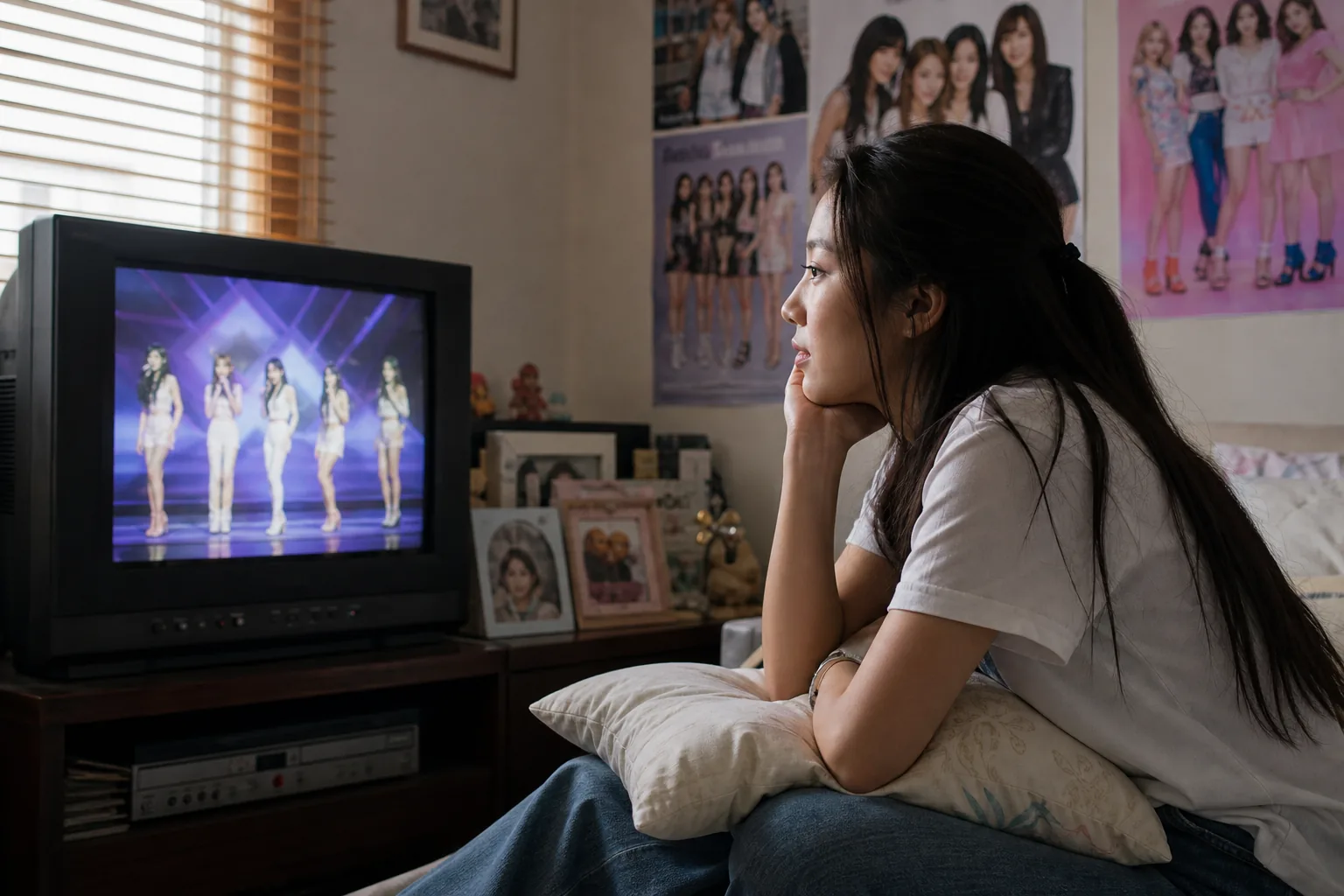
Despite those difficulties, Sandara said music helped her endure the loneliness of that period. K-pop became a private anchor while she was living abroad, giving her a way to stay connected to Korean language and culture. She remembered listening to first-generation idol music and finding inspiration in the performances that reached her even from far away.
Sandara also recalled admiring Fin.K.L., one of the landmark girl groups of that era. Their music helped shape her dream of becoming a singer, turning what might have remained only a lonely chapter into part of the foundation for her future career. Even while living in the Philippines, she sought out Korean music programs and watched recordings repeatedly, keeping close to the entertainment world she hoped to enter.
That detail is especially meaningful given Sandara’s later path. Before joining 2NE1, she became a familiar face in Philippine entertainment, where she developed a fan base and public confidence that contrasted sharply with the quiet child she described. Her career would eventually bridge the two countries that shaped her, making her one of K-pop’s most recognizable figures with a deep connection to Filipino audiences.
A Story That Reframes Her Public Persona
Sandara’s comments do not present her childhood as a simple hardship-to-success narrative. Instead, they point to a more complicated growth process in which silence, embarrassment, and cultural dislocation existed alongside ambition. The same country where she initially struggled to speak later became central to her identity as an entertainer.
Her openness also arrives at a time when more K-pop artists are speaking frankly about the personal experiences behind their careers. For fans, the confession offers context for Sandara’s resilience and for the cross-cultural ease she is now known for. For younger listeners navigating similar transitions, it may also serve as a reminder that adaptation does not always happen quickly or visibly.
By revisiting those years, Sandara Park has turned a private memory into a broader conversation about language, belonging, and the quiet ways music can sustain a person before the world knows their name. Her story adds depth to a career built across borders and shows how an early period of silence helped shape one of Korean entertainment’s most enduring performers.



Join the Conversation
Log in to share your thoughts and join the conversation with other fans.